


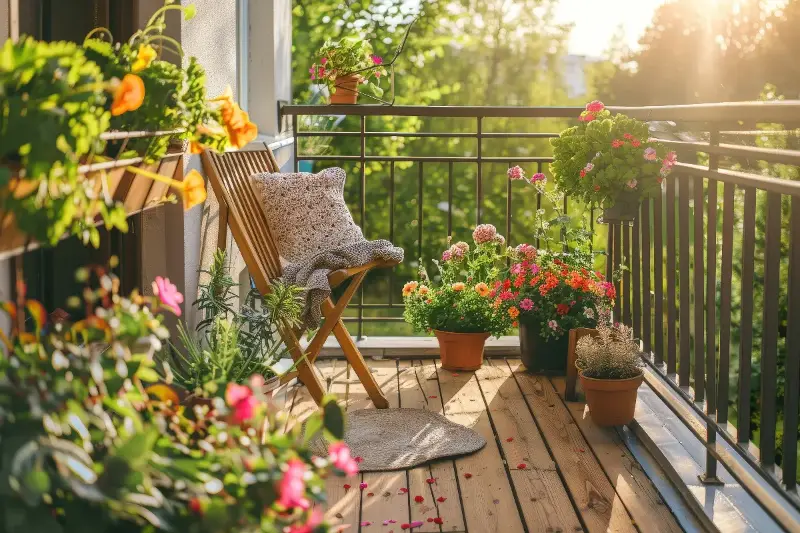
A balcony can easily become a cheerful miniature garden with just a few pots, good light, and flowers suited to container life. Even a small railing, windowsill, or corner can hold colorful plants that bloom for weeks. The key is choosing reliable, low-maintenance varieties that do not demand a large garden bed or advanced gardening skills.
Before planting, check how much sun your space receives:
-
South or West facing: Strong, direct afternoon sunlight.
-
East facing: Gentle morning light.
-
North facing: Best for shade-tolerant blooms.
Always use containers with drainage holes, fresh potting compost, and saucers so roots never sit in standing water.
Petunias for Cascading Color
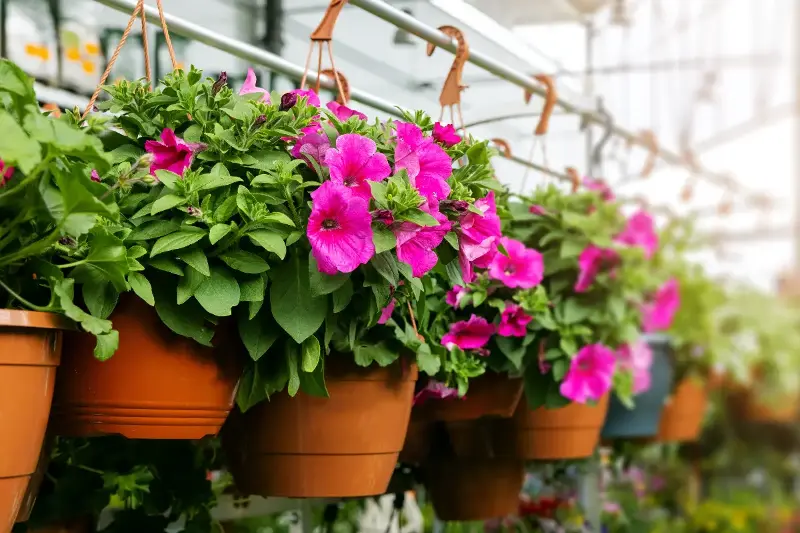
Petunias are among the most popular balcony flowers because they produce an impressive display from late spring until autumn. Their trumpet-shaped blooms appear in stunning shades of purple, pink, red, white, yellow, and near-black, often with stripes or contrasting edges.
-
Trailing varieties: Spill over hanging baskets and window boxes like a waterfall of color.
-
Compact varieties: Fit neatly into smaller pots near doors or seating areas.
Petunias need at least five to six hours of daily sunlight. Water when the top layer of compost feels dry, as hanging baskets dry out quickly during hot weather. Regularly removing faded flowers encourages traditional petunias to keep blooming, while modern self-cleaning varieties require less maintenance. Feed every one to two weeks with a liquid fertilizer for flowering plants.
Marigolds for Sunny Spaces
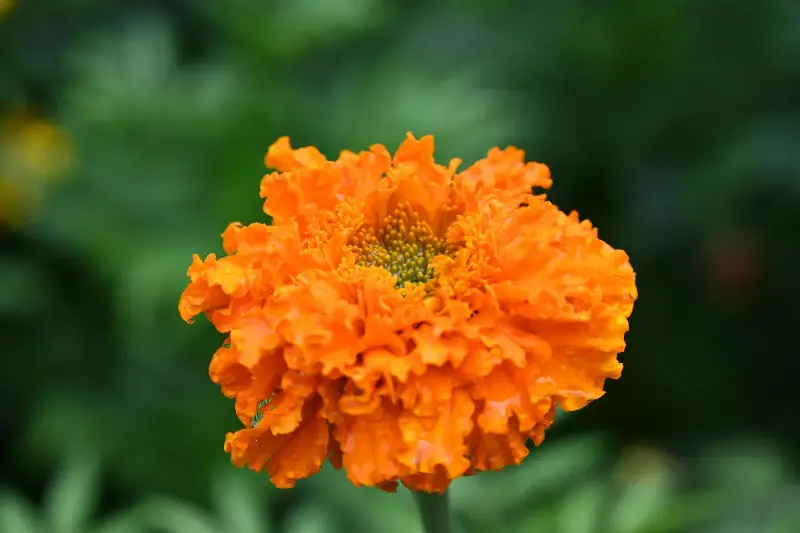
Marigolds bring warm shades of gold, orange, yellow, and deep rust to a sunny balcony. They are effortless to grow from seed and germinate quickly, making them a satisfying choice for beginner gardeners.
-
French marigolds: Stay compact and thrive in small pots.
-
African marigolds: Taller varieties that make a bold statement in larger containers.
These sun-loving flowers perform best with at least six hours of direct light. They tolerate heat remarkably well and continue blooming deep into autumn. Water the soil directly rather than soaking the foliage, and allow the compost to dry slightly between waterings. Regularly pinching off spent blooms helps marigolds form continuous new buds.
Geraniums for Long-Lasting Blooms
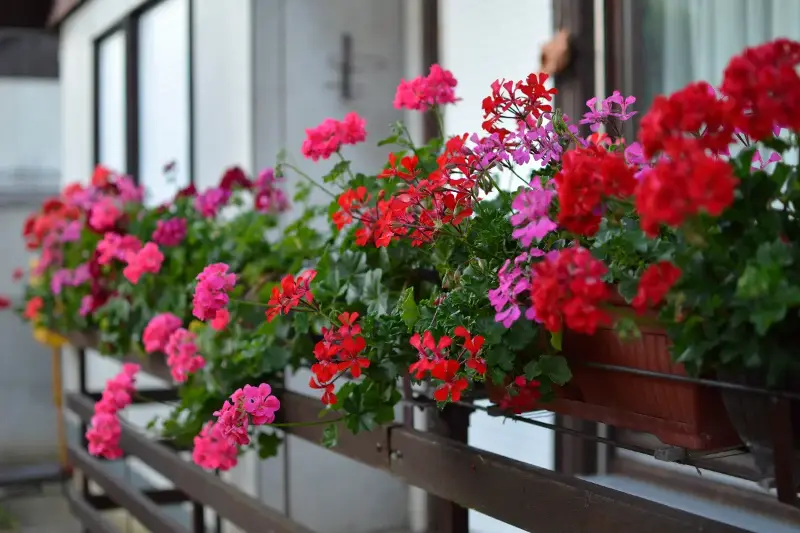
Geraniums (pelargoniums) are classic balcony plants cherished for their rounded clusters of scarlet, coral, pale pink, lavender, or white flowers. They look delightfully cheerful in terracotta pots and railing planters.
One major advantage of geraniums is their exceptional drought tolerance. Their thick stems and fleshy leaves store moisture, making them forgiving if watering is occasionally delayed. Place them in a sunny spot and water thoroughly only when the upper few centimeters of compost feel dry. Snap off faded flower stalks near their base to keep the plant tidy and direct energy toward fresh blooms.
Bonus feature: Scented-leaf geraniums release pleasant aromas of lemon, rose, or mint when gently brushed, adding a soothing fragrance to your outdoor seating area.
Nasturtiums for Edible Beauty
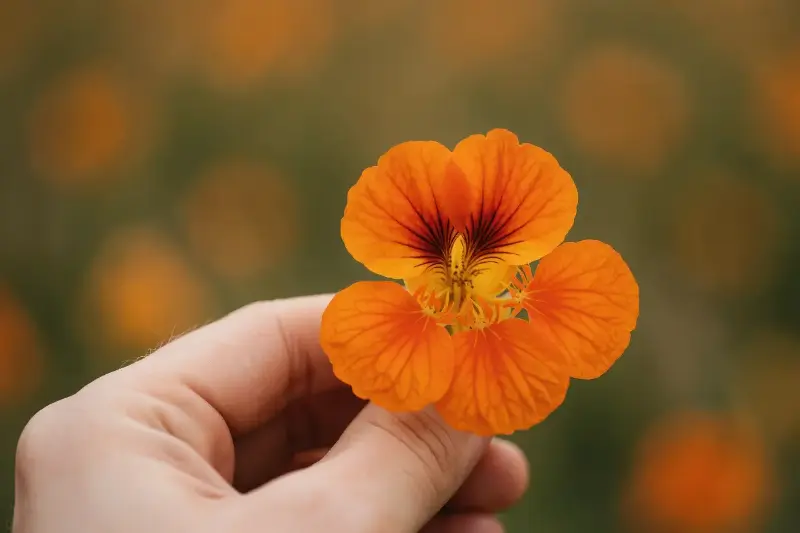
Nasturtiums combine vibrant flowers, round lily-pad-like leaves, and an easy-going nature. Their blooms range from bright orange and red to yellow and cream. Did you know? Both the flowers and leaves are completely edible. They feature a fresh, peppery flavor similar to watercress and can instantly brighten summer salads, sandwiches, and fresh drinks.
-
Growing habit: Trailing types tumble gracefully from hanging baskets, while bush types stay compact in medium pots.
-
Soil preference: Surprisingly, nasturtiums flower more generously in poorer soil. Rich compost and excessive fertilizer produce lush leaves but fewer blooms.
Give them sun or light partial shade, avoid overfeeding, and water regularly during hot spells without waterlogging the soil.
Pansies for Cool-Season Cheer
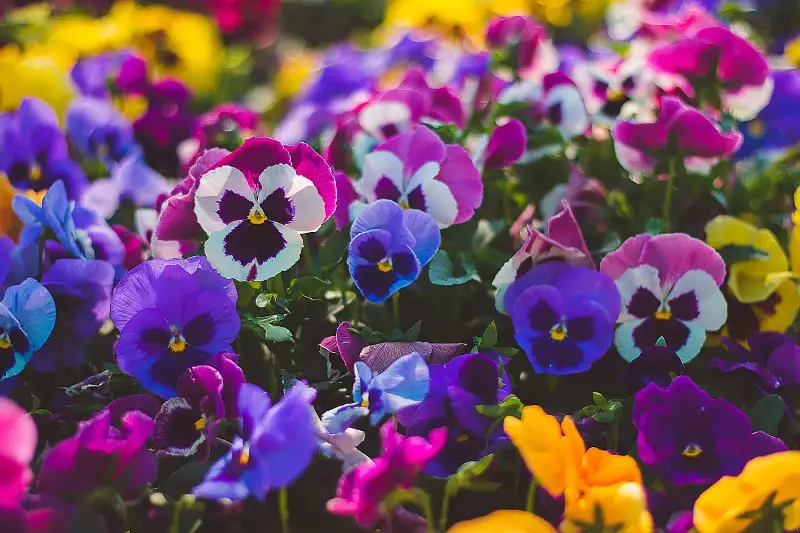
Pansies are a wonderful choice when summer blooms begin to fade. Their friendly, face-like flowers appear in purple, blue, yellow, white, orange, and multi-colored patterns.
Unlike petunias and marigolds, pansies thrive in cool weather. They are ideal for spring and autumn displays, tolerating light frost with ease. In mild winter climates, they can bloom right through the colder months when most other plants are resting.
Place pansies where they receive morning sun and protection from intense afternoon heat. Keep the compost evenly moist, as they dislike drying out completely. Planting purple and yellow pansies closely together in a wide window box creates a bold, colorful contrast.
Creating Your Balcony Sanctuary
A successful balcony garden does not need to be complicated. Start with two or three containers, select flowers suited to your light conditions, and observe how they flourish over time. With basic watering, light feeding, and routine deadheading, these five easy flowers will turn even the smallest outdoor space into a lively, colorful extension of your home.