


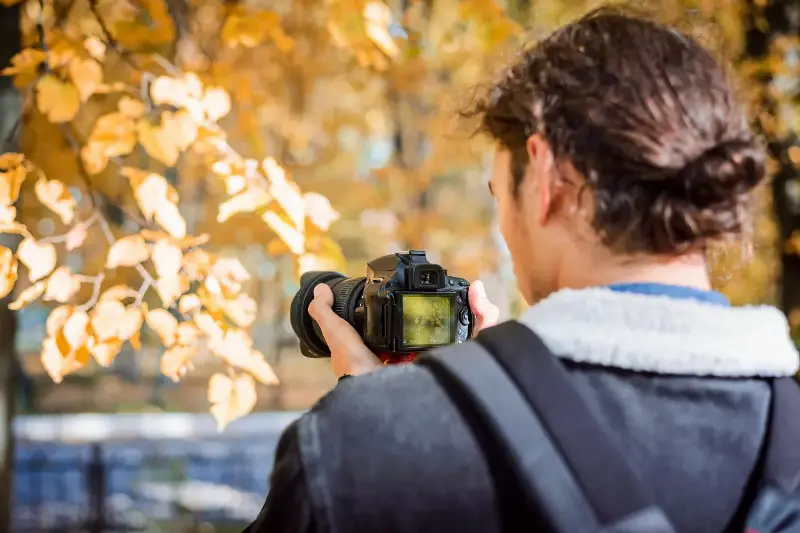
Autumn offers one of the most generous color palettes in nature. Leaves shift from green to gold, copper, crimson, and deep brown, while lower sunlight adds warmth to almost every scene. Yet photographing fall foliage is not simply a matter of pointing a camera at a colorful tree. Bright leaves can easily look flat, washed out, or cluttered in a photograph. With a few professional habits, you can create images that feel as vivid, atmospheric, and captivating as the season itself.
Plan for Peak Color
The best autumn colors do not appear everywhere at the same time. Changes in temperature, rainfall, elevation, and tree species affect when leaves reach their peak. Higher locations and colder regions usually change first, while parks and urban streets may remain colorful later into the season.
- Research local updates: Check park reports, hiking groups, botanical gardens, and social media before traveling.
- Embrace "partly changed" spots: Locations with a mix of green, yellow, and red foliage offer dynamic variety.
- Watch the weather: Peak color is visually impressive, but it can be short-lived after strong wind or heavy rain.
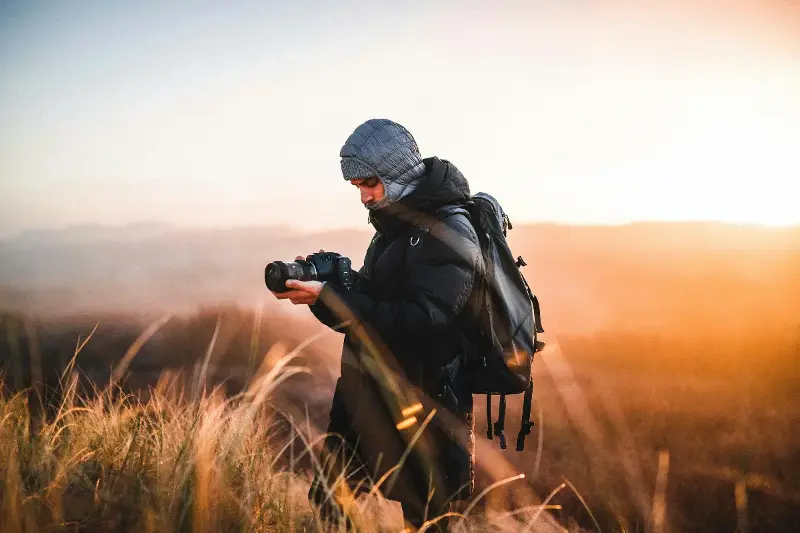
- Arrive early or late: Morning light is softer, viewpoints are quieter, and mist adds magical depth. Alternatively, the golden hour before sunset intensifies red and orange tones.
Use Light to Shape the Scene
Light determines whether autumn color looks rich or dull. Overcast days are surprisingly excellent for photographing forests and close details because clouds soften harsh shadows. This even light helps preserve intricate detail in bright yellow leaves and dark tree trunks simultaneously.
Sunlight can create dramatic results when used intentionally:
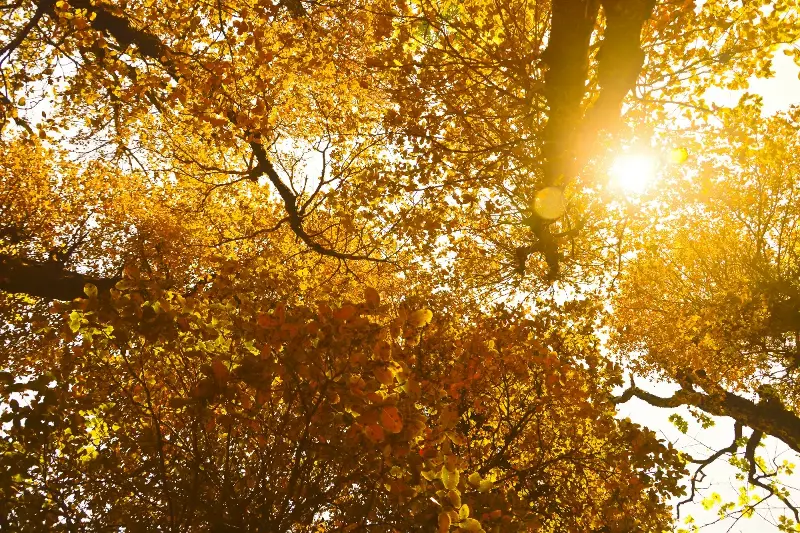
- Backlighting: Photographing leaves from behind with the sun low makes translucent leaves glow and reveals delicate veins. Shield your lens to prevent unwanted flare.
- Side Light: Ideal for revealing rich texture in bark, fallen leaves, and rolling landscapes by creating gentle, dimensional shadows.
- Direct Midday Sun: While challenging due to high contrast, it works well for graphic shots of bold leaves set against a crisp blue sky.
Choose Camera Settings with Care
If you use a camera with manual controls, start with a low setting like ISO 100 or ISO 200 for clean, noise-free images.
- For Wide Landscapes: Use an aperture around f/8 to f/11 to keep both the foreground and distant scenery sharp. Pair this with a tripod in low light to avoid camera shake.
- For Close-Ups and Details: Open the aperture to f/2.8 or f/5.6. This creates a beautifully soft background that isolates individual leaves, berries, or forest floor details.
- For Smartphone Photographers: Tap the brightest area of your screen to lock exposure, then lower it slightly if yellow leaves look pale. Avoid over-saturating photos in post-processing.
Make Color Look Natural and Rich
Vivid autumn images require balanced exposure more than extreme saturation. Bright leaves lose detail quickly, so it is often better to slightly underexpose your shot rather than overexpose it.
A polarizing filter is one of the most effective accessories for fall photography. It reduces glare on wet leaves, deepens blue skies, and reveals the true richness of foliage. Additionally, check your white balance setting: switching to "Cloudy" or "Shade" on overcast days adds a pleasant warmth that auto settings often miss.
Build Stronger Compositions
A colorful forest is not automatically a strong photograph; your image needs a clear subject or visual path to guide the viewer's eye.
- Find Leading Lines: Winding forest trails, flowing rivers, or wooden fences create inviting compositions.
- Add Foreground Interest: Fallen leaves on a rock or a branch extending into the frame add immersive depth.
- Look for Color Contrast: Crimson leaves pop dramatically against dark evergreens, blue water, or neutral grey skies.
Photograph Autumn After Rain
Rain gives autumn scenes an instant professional advantage. Wet foliage becomes deeply saturated, tree bark darkens, and puddles create stunning natural reflections.
Pack a microfiber cloth and a protective sleeve for your equipment, then head out right after a drizzle. Look for captivating micro-details like glistening raindrops on maple leaves or vibrant reflections in fresh rainwater. By slowing down and observing the weather, texture, and light, your autumn images will feel vibrant, natural, and full of seasonal magic.