


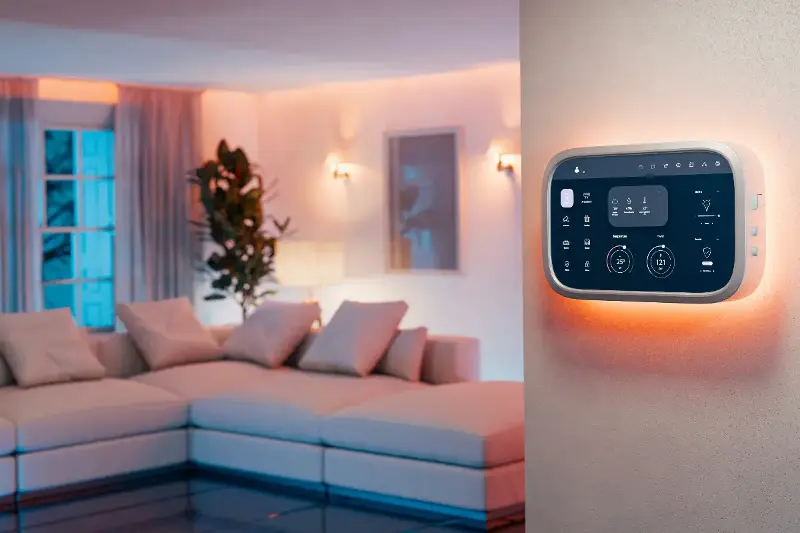
A smart home does not need to start with a costly hub or dozens of complex gadgets. The most useful budget setup begins with simple devices that solve everyday problems: reducing wasted energy, improving convenience, and adding peace of mind.
The best initial purchases are versatile, offer manual controls, and function seamlessly across multiple platforms. A reliable smart home should make life simpler, not create a list of technical chores.
Smart Speakers and Displays
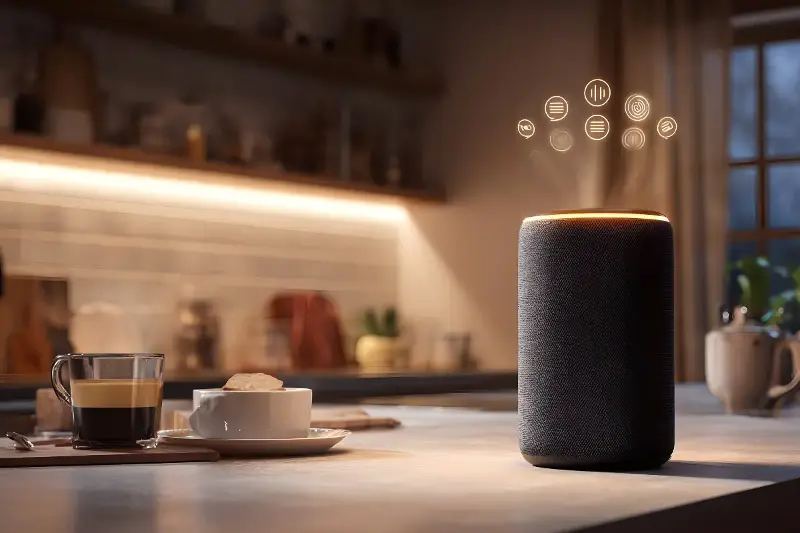
A smart speaker serves as an affordable command centre for your living space. Small speakers typically cost around $25 to $60, while smart displays range from $50 to $90. They allow you to control lights, plugs, and cameras with simple voice commands or a unified app.
- Hands-free convenience: Set cooking timers, check weather forecasts, play music, or update shopping lists instantly.
- Visual alerts: Smart displays can show video feeds, doorbell alerts, and digital photo frames in high-traffic areas like kitchens.
- Privacy protection: Look for devices with a physical microphone mute button for complete peace of mind.
Smart Plugs
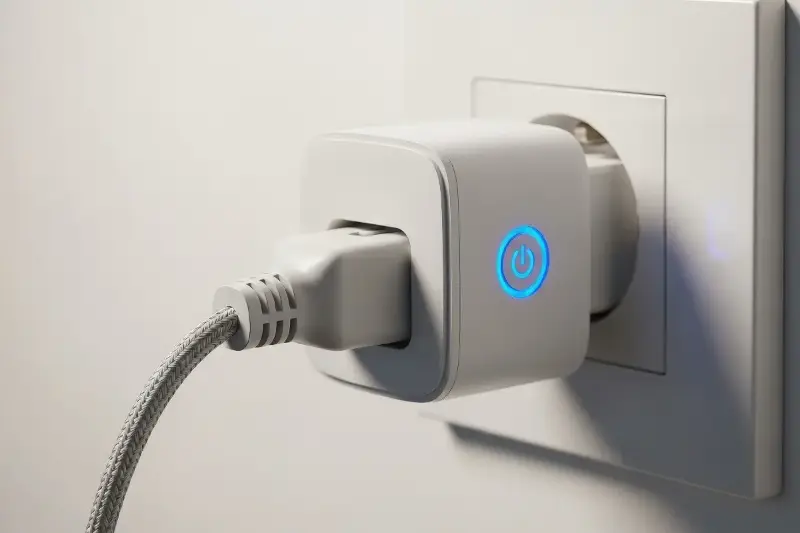
Smart plugs are the fastest, most cost-effective way to transform ordinary appliances into intelligent tools. At $10 to $20 each, they plug into standard wall sockets to control existing lamps, fans, or heaters.
- Flexible routines: Schedule living room lamps to turn on at sunset or set a fan to run before bedtime.
- Energy monitoring: Identify power-hungry appliances on standby to help lower utility bills.
- Manual override: Choose models with a physical power button on the plug for quick local switching.
Always check power ratings before connecting high-wattage equipment. Smart plugs work best with low-risk devices designed to turn on via their main power switch.
Smart Bulbs
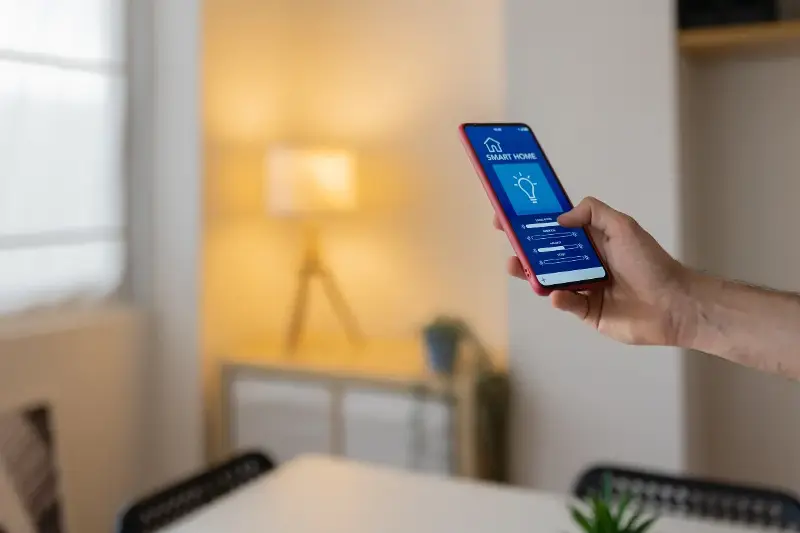
Upgrading to smart lighting adds practical comfort without requiring an electrician. Basic white bulbs cost around $10 to $15, while colour-changing options run $15 to $30.
- Adjustable brightness: Dimming lights in the evening creates a soothing atmosphere while using less power.
- Tunable white tones: Cool white light energises workspaces, whereas warm light relaxes living areas.
- Efficient energy use: LED smart bulbs draw just 8 to 10 watts, matching the output of old 60-watt incandescent bulbs.
Remember that smart bulbs require continuous power. Keep the main wall switch turned on so the bulb remains connected to your schedule or voice app.
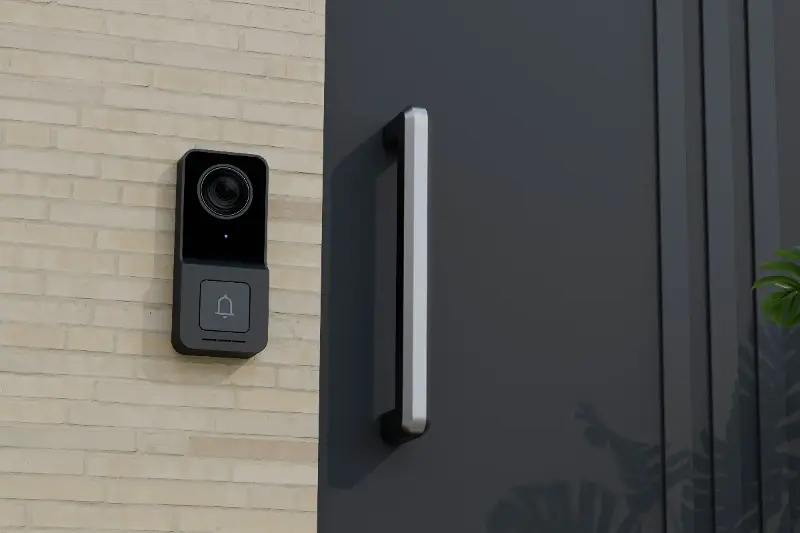
Video Doorbells and Indoor Cameras
For many homeowners, security is the primary driver for smart technology. Budget indoor cameras ($25–$50) and video doorbells ($50+) deliver clear reassurance without expensive alarm installations.
- Indoor monitoring: Great for checking on pets, watching entry points, or confirming family members arrived home safely.
- Doorbell convenience: Receive instant motion alerts and handle package deliveries using two-way audio.
- Smart storage options: Review whether a device requires a monthly subscription or supports local memory card storage to keep long-term costs low.
Always secure camera accounts with strong passwords and two-factor authentication to protect your personal privacy.
A budget smart home grows best in small, thoughtful steps. By starting with these four foundational devices, you can create a comfortable, efficient space that saves time every single day.