


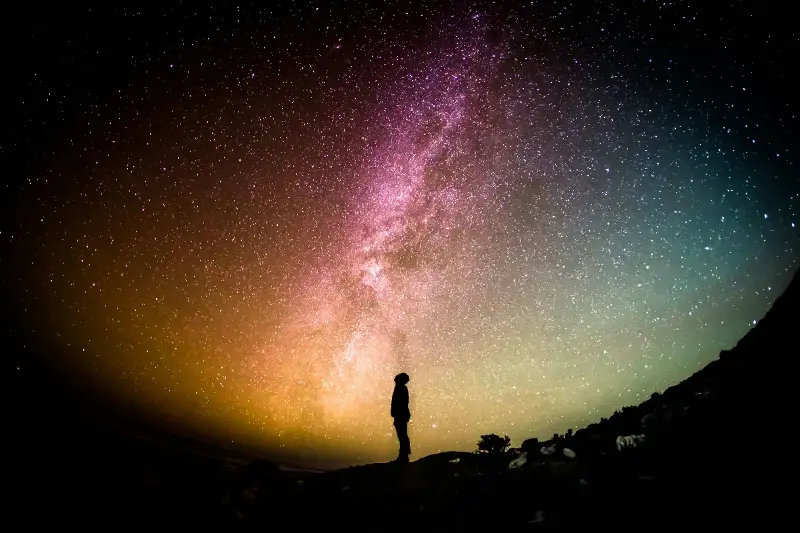
The universe has long been a canvas for wonder and inspiration. Each night, our sky puts on a grand performance—sometimes quiet and serene, and other times bursting with light and color. Stargazing is not just about observing points of light; it is about witnessing living chapters of cosmic history and reflecting on our place in the vastness. From meteor showers that pepper the darkness with streaks of fire to rare planetary alignments, there is always something extraordinary to look up for.
METEOR SHOWERS: FIREWORKS FROM THE COSMOS
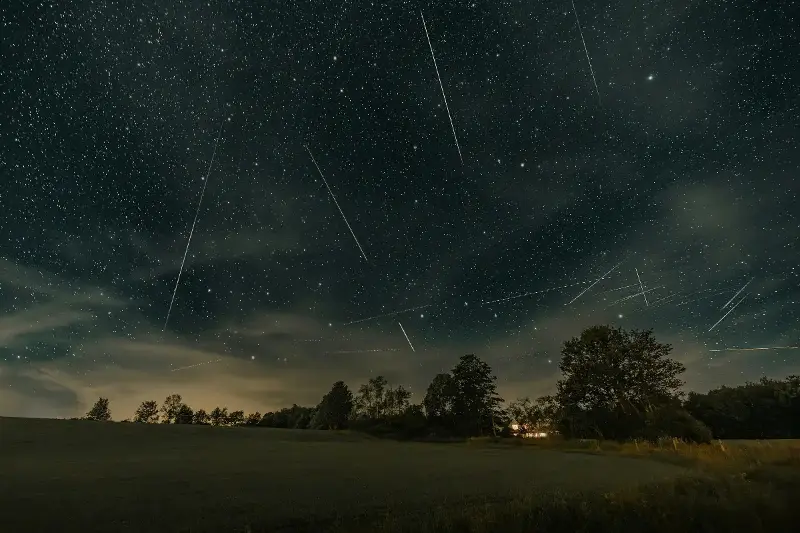
Few astronomical events are as beloved as meteor showers. These spectacular displays occur when Earth passes through streams of cosmic debris, usually left behind by comets.
- The Perseids (August): Famous for their abundance, these can deliver up to 100 meteors per hour, perfect for warm summer viewing.
- The Geminids (December): Known for bright, multi-colored streaks that stand out against the crisp, clear winter sky.
- The Lyrids (April): A graceful springtime display that offers a wonderful opportunity for early-season stargazing.
To enjoy these events, find a dark, safe location and allow your eyes 20 minutes to adjust. You do not need expensive equipment—just patience and a clear view of the heavens.
ECLIPSES: SHADOWS AND SPECTACLES
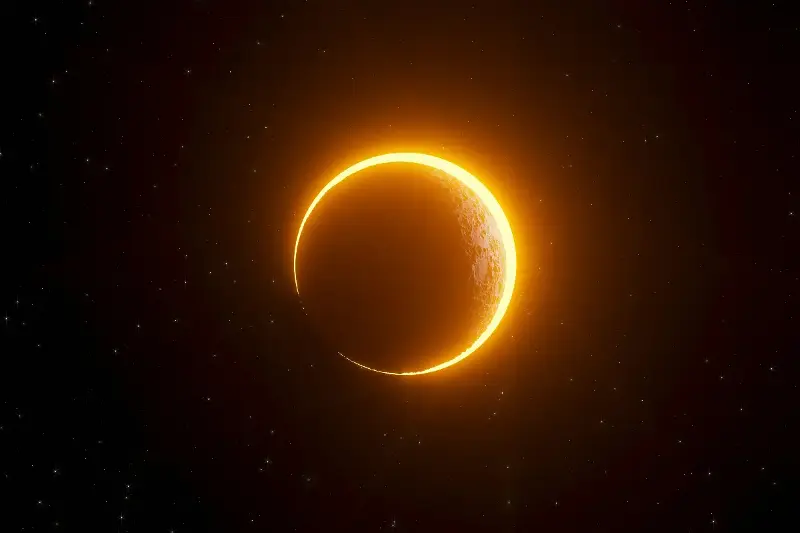
Eclipses are rare, awe-inspiring moments where the sun, moon, and earth interact in a cosmic dance.
- Solar Eclipses: These occur when the Moon passes between Earth and the Sun. Even partial eclipses are mesmerizing, as they project unique, crescent-shaped shadows onto the ground.
- Lunar Eclipses: Safer and easier to observe, these turn the full Moon a dramatic, copper-red color—often called a blood moon. It is a favorite event for photographers and casual observers alike.
PLANETARY ALIGNMENTS AND CONJUNCTIONS
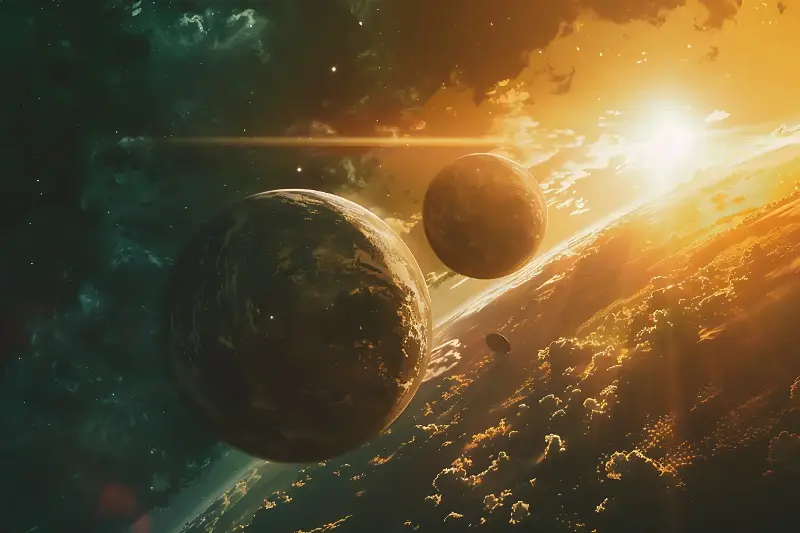
Occasionally, the planets gather in the night sky like pearls on a necklace. These conjunctions happen when multiple planets appear close together from our viewpoint on Earth.
- Visibility: Many alignments are visible with the naked eye, though binoculars can reveal surface details and distinct colors.
- The Grand Choreography: These meetings serve as a beautiful reminder of our solar system’s intricate, clockwork movement. Keep an eye on astronomical calendars for rare groupings of Jupiter, Venus, and Mars, which transform the early morning or evening skyline.
AURORAS: DANCING LIGHTS OF THE POLES
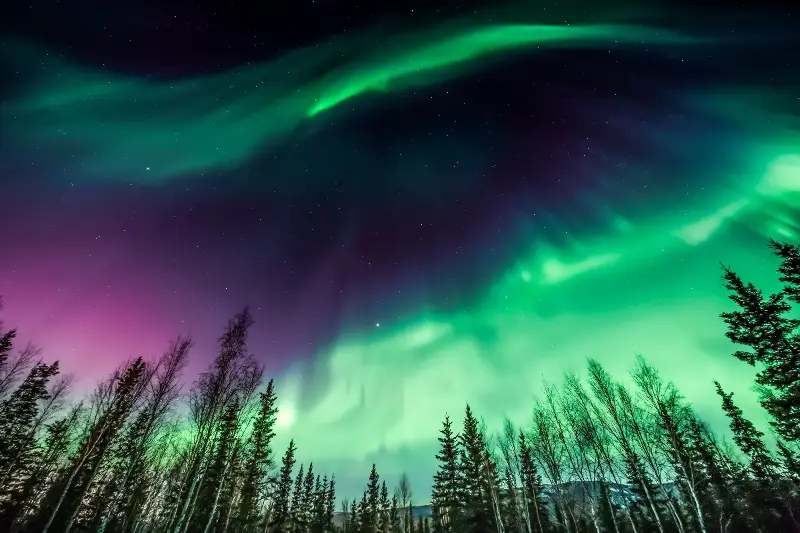
The aurora borealis (Northern Lights) and aurora australis (Southern Lights) are enchanting phenomena where charged particles from the Sun collide with Earth’s atmosphere.
- Visual Splendor: Expect glowing ribbons of green, pink, and violet rippling across the horizon.
- Optimal Viewing: While best seen near the poles, strong geomagnetic storms can bring these lights to temperate latitudes. If you plan a trip, aim for the months near the equinoxes (March and September) when solar activity often peaks.
SUPERMOONS AND BLUE MOONS: MOON MAGIC
The Moon is our closest neighbor, and it occasionally highlights its presence with rare visual effects.
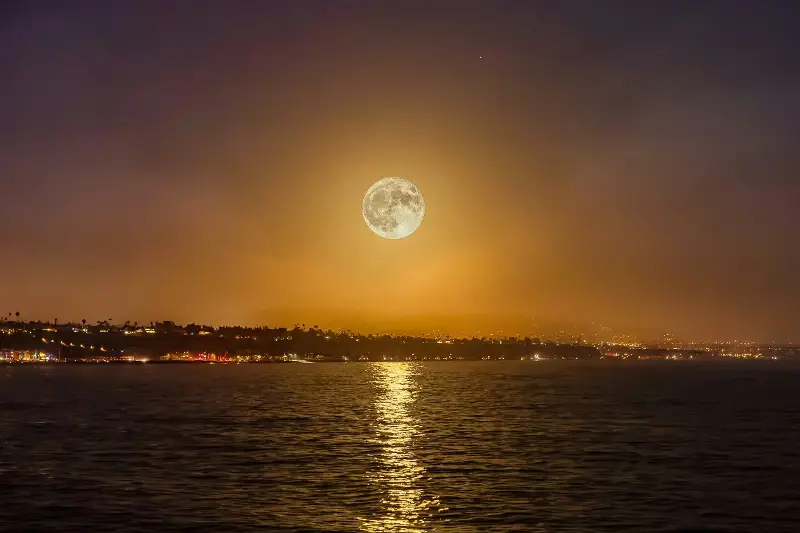
- Supermoons: These occur when a full moon coincides with its closest approach to Earth, making it appear up to 14% larger and 30% brighter.
- Blue Moons: Despite the name, this refers to rarity rather than color. It happens when two full moons occur in a single month—a perfect excuse to celebrate the beauty of our night light.
STAR PARTIES AND COMMUNITY STARGAZING
While stargazing is a peaceful solo hobby, it is often more rewarding when shared. Many observatories and national parks host star parties, where experts provide telescopes and guide visitors through the constellations. These gatherings foster a sense of connection, reminding us that while we are small, we all share the same breathtaking view. Each event is an invitation to pause, look up, and find harmony with the cosmos.