


Eco-friendly cars are no longer a futuristic dream—they are a present-day reality. If you are exploring the world of greener driving, you have likely encountered the two most accessible electrified options: Hybrid (HEV) and Plug-in Hybrid (PHEV). Both offer a perfect blend of efficiency and convenience, but selecting the right one depends on your specific lifestyle. Let’s break down the differences and perks to help you make a confident, informed choice.
UNDERSTANDING THE BASICS: HOW DO THEY WORK?
At their core, both vehicle types use a combination of gasoline engines and electric motors to propel your car. The difference lies in how they manage power and refuel:
- Hybrid (HEV): This system automatically switches between its fuel-burning engine and electric motor, or uses both at once. The battery charges itself through regenerative braking and the internal engine. You never need to plug it in, making it a familiar, "drive-and-go" experience.
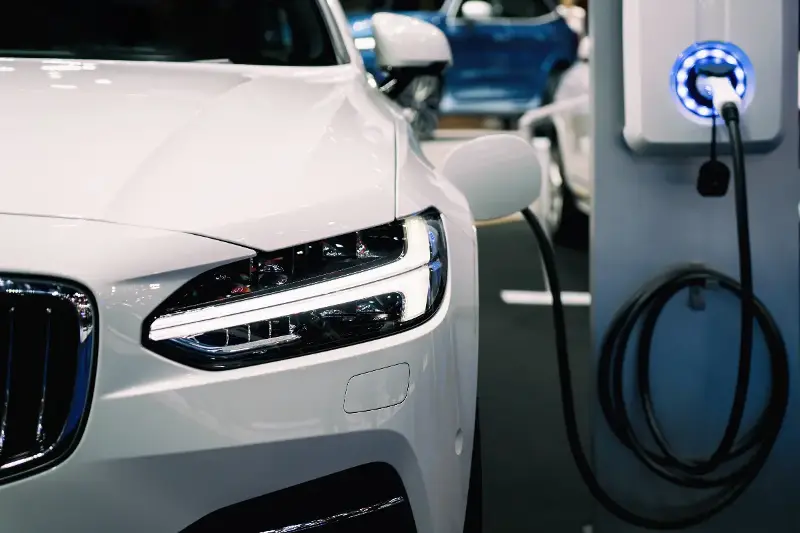
- Plug-in Hybrid (PHEV): These vehicles feature larger batteries that can be plugged into an electrical outlet. This gives you the unique ability to travel purely on electric power—typically 20 to 50 miles—before the gasoline engine seamlessly engages for longer distances.
COST CONSIDERATIONS: UPFRONT VS. LONG-TERM
Deciding on a budget requires balancing initial investment with long-term fuel savings:
- Upfront Price: A standard hybrid generally has a lower sticker price. Since they utilize smaller batteries and require no charging hardware, they offer a more accessible entry point for budget-conscious buyers.
- Incentives and Savings: While plug-in hybrids often carry a higher price tag due to their complex systems, they frequently qualify for significant government tax credits or local incentives, which can drastically narrow the price gap.
- Operational Costs: The real magic of the plug-in hybrid occurs if your daily commute is short. By driving on electricity, you can potentially go weeks without visiting a service station, leading to dramatic fuel savings for urban commuters.
DAILY CONVENIENCE: CHARGING AND RANGE
Convenience is the ultimate factor for any driver.
- The Hybrid Advantage: If you lack access to home charging, such as those living in urban apartment buildings, a standard hybrid is the worry-free upgrade. You simply fill the tank and enjoy superior fuel economy without changing your routine.
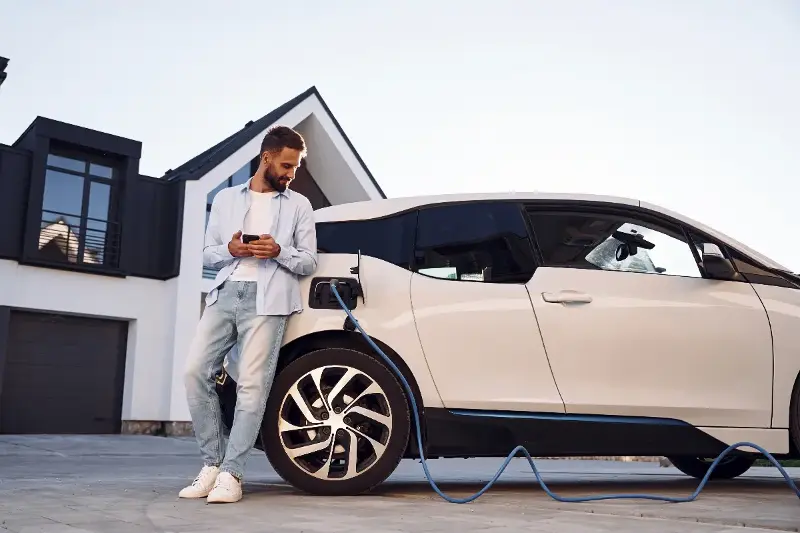
- The PHEV Flexibility: If you have access to a garage or a public charger, plug-in hybrids offer a near-electric experience for local errands. Charging is notably fast—most models reach a full charge in just three to six hours on a standard household outlet. When you need to travel further, the gas engine ensures you never have to worry about running out of power.
ENVIRONMENTAL IMPACT: MAXIMIZING GREEN MILES
Both options offer a meaningful reduction in emissions compared to traditional vehicles:
- City Efficiency: Traditional hybrids are exceptional in stop-and-go traffic, where braking repeatedly recaptures energy.
- Zero-Emission Potential: Plug-in hybrids shine when your routine allows for daily charging. By covering local trips on battery power alone, you can achieve zero tailpipe emissions for the majority of your driving.
LIFESTYLE FIT: WHICH ONE ARE YOU?
- Choose a Hybrid if: Your schedule involves long, unpredictable distances or you lack reliable charging access. You want improved fuel economy without altering your current lifestyle.
- Choose a Plug-in Hybrid if: You have a dedicated place to charge and your daily travel stays within the 20-50 mile range. You want the best of both worlds: a near-electric life for daily use with the total freedom to take long road trips whenever you desire.
Both technologies offer reliable, comfortable ways to shrink your carbon footprint. By analyzing your daily routine, you can confidently choose the vehicle that makes your journey cleaner and more efficient.