



The world of healthy eating is a constant stream of advice, warnings, and changing trends. Whether scrolling through social media or catching up with friends, it is easy to feel overwhelmed by conflicting information. However, much of the "common wisdom" we hear is based on outdated ideas rather than modern science. Let’s break down the most popular nutrition myths to help you eat with clarity and confidence.
THE MYTH OF "GOOD" AND "BAD" FOODS
We are often tempted to label foods as "clean" or "forbidden," but this black-and-white thinking is rarely helpful.
- Holistic Health: No single food will make or break your health. Your overall pattern of eating and your lifestyle choices carry far more weight than any specific snack.
- The Power of Moderation: Foods like bread, pasta, and even occasional treats can absolutely fit into a balanced, nourishing diet.
- Focus on Variety: Instead of demonizing specific ingredients, prioritize a wide range of colorful, nutrient-dense foods that you truly enjoy.
CARBS: FRIEND OR FOE?
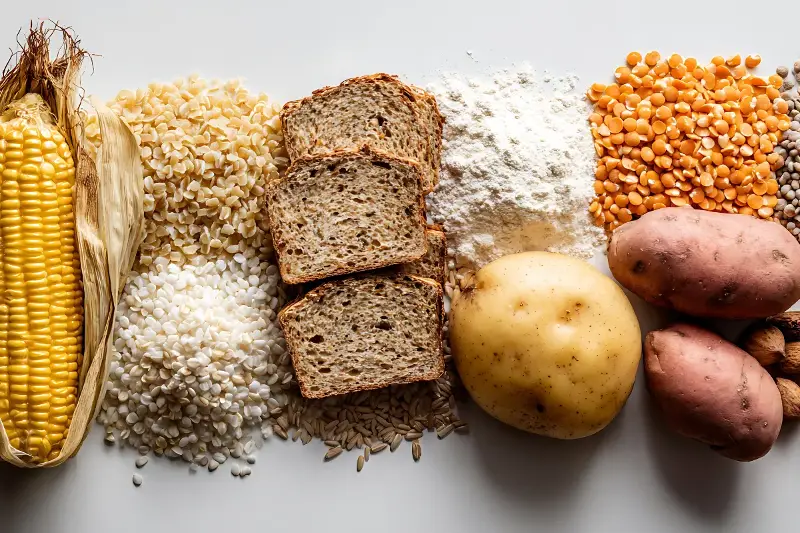
Carbohydrates are frequently targeted by diet culture, yet they are your body’s primary source of energy. Your brain and muscles rely on glucose to function at their peak.
- Quality Matters: The distinction lies between refined carbohydrates (such as sugary snacks) and complex carbohydrates (like whole grains, legumes, and vegetables).
- Sustained Energy: Complex carbs provide steady fuel, support healthy digestion, and contribute to heart health. Avoid the trap of cutting all carbs, which can lead to fatigue and reduced physical performance.
EATING FAT DOES NOT MAKE YOU FAT
For decades, the "low-fat" trend misled many into swapping healthy staples for processed, fat-free alternatives. We now know that healthy fats are essential for your body.
- Vital Functions: Healthy fats found in nuts, seeds, avocados, olive oil, and fish are crucial for hormone production, brain health, and nutrient absorption.
- Satiety: Including healthy fats in your meals keeps you feeling full longer, which naturally helps prevent overeating.
"NATURAL" AND "ORGANIC" DO NOT GUARANTEE HEALTH
It is easy to assume that products labeled "natural" or "organic" are automatically the best choices.
- Misleading Labels: The term "natural" is not strictly regulated and provides little insight into a product's nutritional profile.
- Check the Ingredients: An organic cookie or soda can still be packed with high levels of sugar, salt, and unhealthy fats. Always check the nutrition facts label rather than relying solely on front-of-package buzzwords.

DETOX DIETS AND JUICE CLEANSES
Popular "detox" trends promise to flush toxins from your body, but the reality is much simpler.
- Trust Your System: Your liver and kidneys are already high-performance organs designed to detoxify your body naturally, 24/7.
- Focus on Fiber: Instead of restrictive cleanses, support your internal processes by consuming plenty of water, fiber-rich fruits, and vegetables.
YOU MUST EAT BREAKFAST TO BE HEALTHY
The idea that breakfast is universally the "most important meal" is shifting.
- Listen to Your Body: Recent evidence suggests that individual needs vary. If you aren't hungry in the morning, it is perfectly fine to wait until later.
- Honor Hunger Signals: Focus on your personal energy levels and biological needs rather than forcing yourself into a rigid, one-size-fits-all schedule.

THE SUGAR-FREE TRAP
Many people reach for "sugar-free" products to avoid calories, but these items often come with their own drawbacks.
- High Processing: Many sugar-free items are highly processed and lack the essential vitamins and minerals found in whole foods.
- Natural Alternatives: A better strategy is to reduce added sugars while enjoying the natural sweetness of whole fruits, which offer fiber and nutrients that artificial sweeteners cannot match.
CONCLUSION
Healthy eating does not have to be restrictive or confusing. By focusing on balance, variety, and mindful choices, you can build a sustainable relationship with food. It is the habits you cultivate over time—not a single meal—that define your health.