


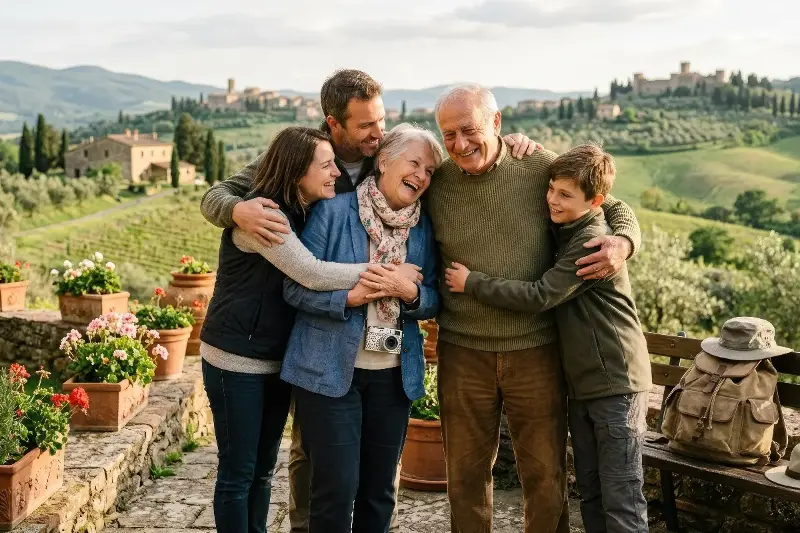
In today’s rapidly evolving world, it’s easy to see why misunderstandings sometimes flare up between parents, children, and grandparents. Shifting social attitudes and new ways of communicating can create what feels like an ever-widening gap at the dinner table. Yet, at the heart of this divide lies the potential for collaboration and learning that can enrich the entire family. Bridging the gap isn’t just about adapting to change—it’s about embracing it together, drawing on shared family values, and respecting differing perspectives to build a more harmonious home.
UNDERSTANDING THE ROOTS OF THE FAMILY DIVIDE
Every generation is shaped by the unique experiences of their formative years. Parents may recall a childhood of "unplugged" outdoor play and landline phones, while their children live in a world where digital connection is the default. These contrasting upbringings influence everything from views on discipline and education to fashion and humor.
It is important to recognize that these differences are not inherently negative. In the 1960s, the "generation gap" was about rebelling against authority; today, it might revolve around screen time, climate anxiety, or new family structures. Recognizing that these shifts are a natural evolution—not a personal affront—is the first step toward empathy.
THE SCIENCE OF PERSPECTIVE: WHY WE SEE THINGS DIFFERENTLY
Cognitive scientists point out that our brains are shaped by the cultural and educational tools of our time. This manifests clearly in family dynamics:
- The Digital Native: Younger family members adapt easily to new platforms because they’ve grown up multitasking in online spaces.
- The Seasoned Mentor: Older generations often possess superior skills in critical thinking and face-to-face negotiation—skills honed when communication required more patience.
Interestingly, studies show that while parents may be slower to adopt new apps, they are often more careful about verifying information. When families combine the tech-savviness of the youth with the discernment of the elders, they become a more resilient unit against the modern world's challenges.
REAL-WORLD APPROACHES TO UNITING THE HOUSEHOLD
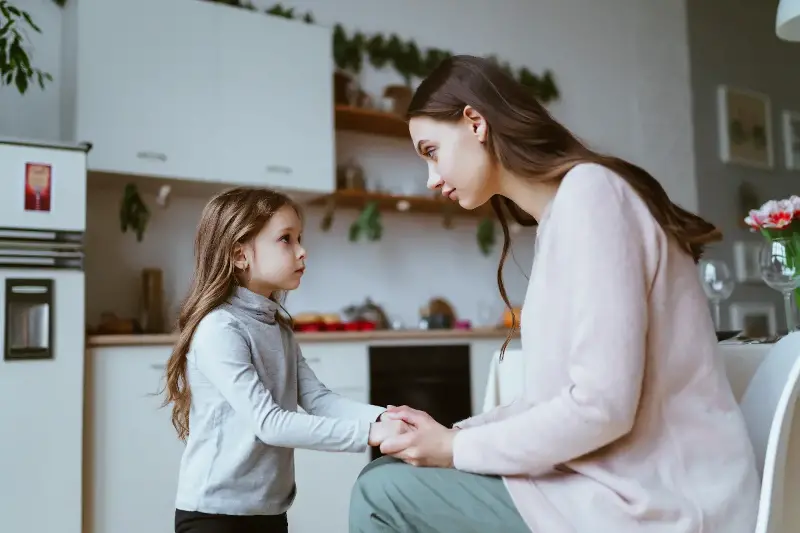
One of the most promising ways to unite diverse family mindsets is through intergenerational activities. Instead of retreating to separate rooms and devices, families can thrive by creating "cross-generational mentorships" within the home.
- Reverse Mentoring: Allow children to teach parents or grandparents how to use a new app or navigate a video game. This boosts a child’s confidence and shows that the adults value their expertise.
- Skill Sharing: Parents can share "analog" life skills—like cooking a family recipe, basic car maintenance, or gardening—that foster resilience and patience.
- Open Dialogue: Use family meetings or car rides to discuss goals and values. Encouraging these regular conversations helps bridge misunderstandings before they widen into rifts.
THE POWER OF FAMILY STORYTELLING
Humans are wired for stories. Sharing personal narratives is a powerful way to communicate values and foster empathy between parents and children.
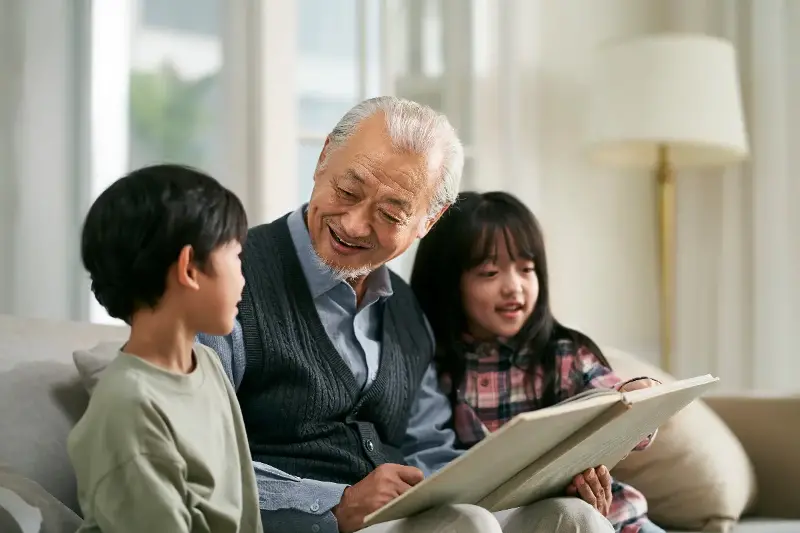
- Oral History: When a grandparent talks about how they navigated tough times, it provides children with a sense of ancestral resilience.
- Expressing Values: When a teen shares why a specific global issue matters to them, it helps parents see the world through a modern lens.
Science backs this up: researchers have found that imagining another person’s life promotes empathy and reduces unconscious bias. A simple family storytelling night can transform how family members perceive one another.
LEARNING FROM GLOBAL FAMILY MODELS
All over the world, societies have developed unique ways to bridge these gaps. In Japan, respect for elders is a core family value, often supported by multigenerational housing. In Scandinavian countries, urban design encourages contact between the very young and the elderly, such as shared daycare and retirement facilities.
Even in the digital realm, gaming has emerged as an unexpected bridge. Many grandparents and grandchildren are now teaming up online, proving that shared enjoyment can come from the most modern of places. These global examples remind us that the family unit is at its strongest when all members feel seen and heard.
CREATING A MORE UNDERSTANDING HOME
Building a unified family takes patience, openness, and a willingness to step out of our comfort zones. Bridging the gap isn't about agreeing on everything; it’s about listening and valuing insights from every age group. When parents and children unite their strengths, the result is more than just fewer arguments—it’s a richer, more vibrant family life that prepares everyone for the complexities of the world outside.