


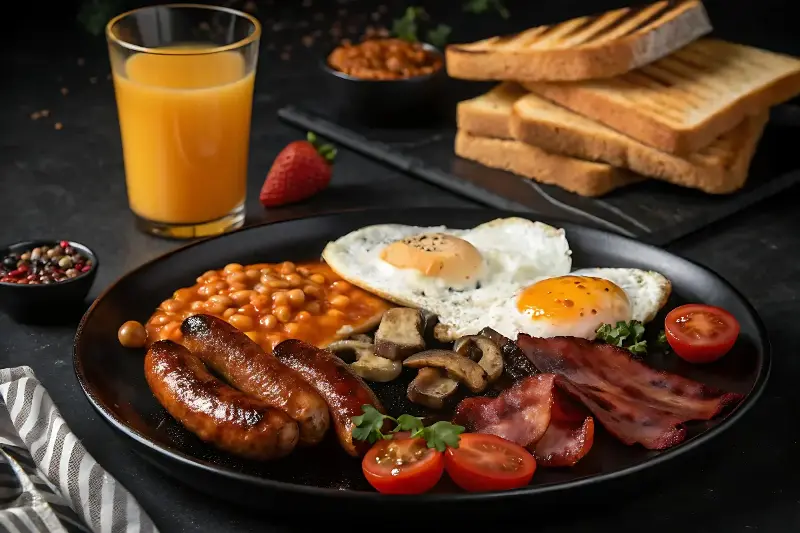
Few culinary icons are as beloved or as instantly recognizable as the full English breakfast. This heaping plate of satisfaction has won over visitors and locals alike with its hearty ingredients and unmistakable flair. Whether you are a curious traveler or simply hunting for the ultimate weekend treat, there is no meal more emblematic of Britain’s food traditions. But what makes it so special—and why should everyone try it at least once?
THE ROOTS OF AN ICON
The full English breakfast is more than just a meal; it is a rite of passage steeped in history.
- Victorian Origins: The tradition traces back to the gentry of the Victorian era, who celebrated hospitality with elaborate, lingering morning spreads.
- Industrial Fuel: During the Industrial Revolution, the meal became the backbone of the working day. Farmers and laborers needed powerful, energy-rich food to fuel long hours of activity, and the full English delivered exactly that.
Today, it is a cherished weekend ritual, packed with nostalgia and an irresistible sense of comfort, connecting diners to a legacy that spans generations.
THE ESSENTIAL INGREDIENTS
What truly sets the full English apart is its glorious, savory build. While every chef has their own signature style, the foundation relies on these classics:
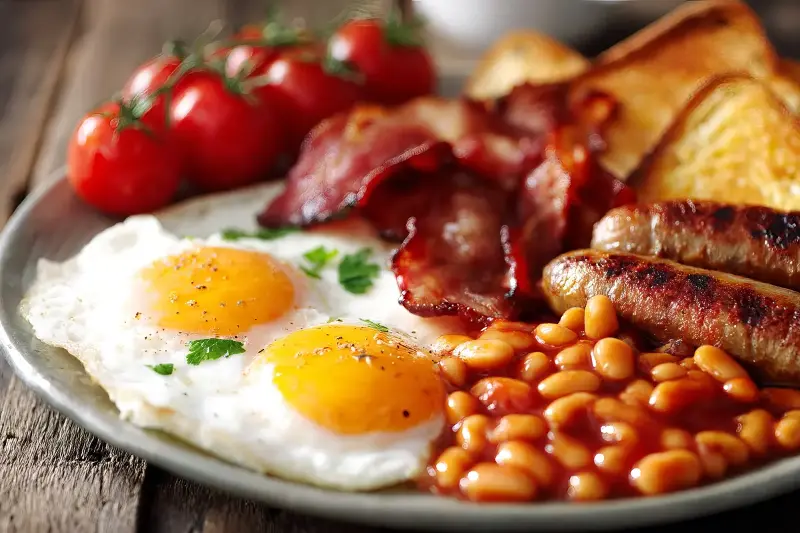
- Quality Protein: Thick-cut back bacon, plump pork sausages, and eggs fried to golden perfection.
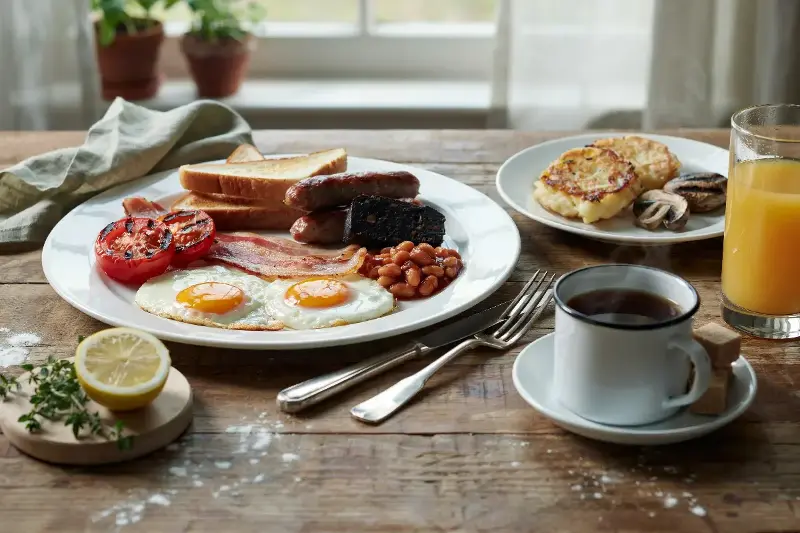
- Texture and Crunch: Crispy hash browns or golden fried bread add that essential satisfying crunch.
- Balanced Sides: Grilled tomatoes and earthy mushrooms provide juiciness that balances the richer flavors of the meat.
- The Signature Addition: Baked beans are a staple, adding a touch of sweetness and moisture that ties the entire plate together.
Finally, thick, toasted slices of bread are mandatory for scooping up every last morsel, ideally accompanied by a mug of strong breakfast tea or fresh coffee.
A SOCIAL AFFAIR
One often-overlooked aspect of the full English is its social power. This is not a meal to be rushed. In Britain, "greasy spoon" cafés have long been sacred, no-frills institutions where the full English is served with warmth and welcome. Sitting down to this breakfast is an act of togetherness, where the comfort of a hot plate helps weave bonds among friends, family, and neighbors. For visitors, it is an unbeatable way to immerse yourself in the local rhythm of life.
VARIATIONS ACROSS THE ISLES
Travel around the UK, and you will discover that every region adds a distinctive local spin:
- Scotland: Often features savory haggis or traditional potato scones.
- Ireland: Frequently includes white pudding alongside the classic black pudding, often served with hearty soda bread.
- Wales: May feature laverbread, a unique and nutritious regional specialty made from seaweed.
This adaptability is part of what has helped the dish reach iconic status—it is a culinary tradition that respects its roots while welcoming regional flair.
NUTRITION AND INDULGENCE
While it is a hearty meal, the full English is not just empty calories. The combination of protein from eggs and meats, fiber from beans and vegetables, and complex carbohydrates from potatoes and toast provides an energizing start to the day.
Modern interpretations have made the dish even more inclusive. Vegetarian and vegan versions abound today, utilizing meat-free sausages and plant-based alternatives to create the same flavor-packed experience. It is a dish that bridges time-honored comfort with modern tastes, proving that tradition can be both delicious and incredibly satisfying.