


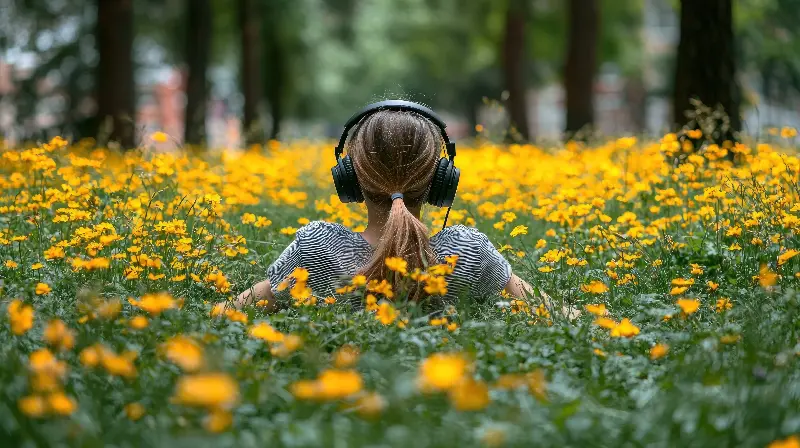
Most of us instinctively know how a favorite song or the gentle sound of rain can shift our mood, but the healing power of sound goes much deeper than momentary pleasure. Sound healing—an ancient practice now gaining renewed interest—harnesses the vibrations of music, singing bowls, gongs, and even your own voice to gently restore harmony within the mind, body, and emotional landscape.
As science begins to uncover the secrets of how sound impacts our well-being, people from all walks of life are discovering its incredible ability to soothe, energize, and rebalance every aspect of our being.
The Ancient Origins Of Sound Healing
Sound healing isn’t just a new-age trend; its roots stretch back thousands of years. Civilizations across the globe have employed sound in their rituals and medicine:
- Ancient Greece: Physicians used flutes and lyres to treat patients suffering from mental ailments.
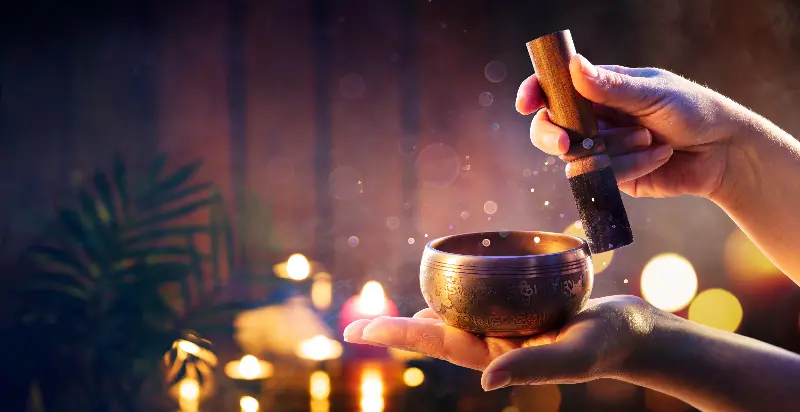
- Tibetan Culture: Singing bowls have been utilized for centuries to facilitate meditation and spiritual healing.
- Aboriginal Australians: The didgeridoo—a deep, vibrating wind instrument—has been a tool for wellness and ritual for over 40,000 years.
- Ancient India: The practice of mantra chanting was designed to stimulate the mind and bring the body into a state of equilibrium.
Despite their diverse traditions, these cultures all discovered a singular truth: sound, used intentionally, can restore health and vitality.
How Sound Affects The Mind And Body
So how does sound have such a fundamental impact? To begin with, everything in the universe—including your body—is in a state of vibration. Each cell, tissue, and organ resonates at a specific frequency. When you are healthy, these frequencies are in a harmonious state, but stress, illness, and negative emotions can create disharmony.
Sound healing works on the principle of entrainment—a process where the vibrational frequency of one object gently encourages another to synchronize with it.
This is why a calming sound bath can slow your heart rate and still your mind. Modern science has begun to support these claims:
- Brainwave Entrainment: Listening to specific tones can influence brainwave activity. For instance, alpha and theta binaural beats are proven to reduce anxiety and promote deeper sleep.
- Nervous System Regulation: Low-frequency sounds can stimulate the vagus nerve, signaling the body to move from a "fight or flight" state into "rest and digest".
- Physical Resonance: Vibrations can travel through water (which makes up about 70% of the human body), effectively massaging the body at a cellular level.
Popular Tools And Techniques In Sound Healing
A visit to a modern sound healer may immerse you in a world of soothing, complex vibrations. Common tools include:
- Tibetan and Crystal Singing Bowls: Each bowl produces a tone that resonates with specific energy centers, often referred to as chakras.
- Gongs: These create a "wall of sound" that is said to wash away deep-seated emotional tension.
- Tuning Forks: Precisely calibrated to specific frequencies, these are placed on or near the body to promote physical alignment.
- Vocal Toning: Humming or chanting sustains single vowel sounds to produce internal vibrations that boost emotional resilience.

Supporting Emotional Balance And Stress Relief
Emotional health is perhaps where sound healing shines brightest. Everyday life is filled with stressors that can leave us feeling ungrounded or overwhelmed. Sound baths create a kind of “acoustic massage” that calms the nervous system.
Recent research suggests that participating in group sound baths can lower stress hormones like cortisol. The immersive, enveloping quality of sound helps break the cycle of anxious thoughts, offering a gentle space for self-reflection and emotional release. Many participants report feeling lighter, more centered, and even joyful after a session.

A Holistic Prescription For Modern Life
As our lives grow ever more fast-paced and saturated with screens and noise, sound healing offers a simple yet profound antidote. Unlike therapies that require special knowledge or even words, sound is inherently accessible—everyone can benefit, regardless of age or background.
Whether it is a solo journey with headphones or a shared experience in a professional sound studio, you don’t need to be musical to experience the effects. If you’re seeking natural ways to support your mind, body, and emotions, letting the gentle power of sound invite you into a deeper state of harmony could be a transformative next step.