



Long before designer labels and red carpet moments, humans donned far simpler footwear—if anything at all. Our feet have walked a fascinating journey through history, evolving from rudimentary wrappings of animal hide to the boldest of cultural fashion statements. The story of shoes is as much about protection and survival as it is about power, beauty, and social change. Here is a look at how footwear transformed from an ancient, practical necessity into a canvas for modern self-expression.
Early Footsteps: Protection Before Fashion
At its core, the earliest footwear was entirely about basic survival. Archaeologists have uncovered fascinating evidence of our ancestors' ingenious ways of guarding their feet against harsh environments.
- Ancient materials: Woven sagebrush bark sandals dating back around 10,000 years were discovered in Oregon caves, representing some of the oldest preserved footwear on Earth.
- Egyptian innovation: Discoveries in ancient Egypt reveal the widespread use of local palm leaves and papyrus to create lightweight, makeshift sandals.
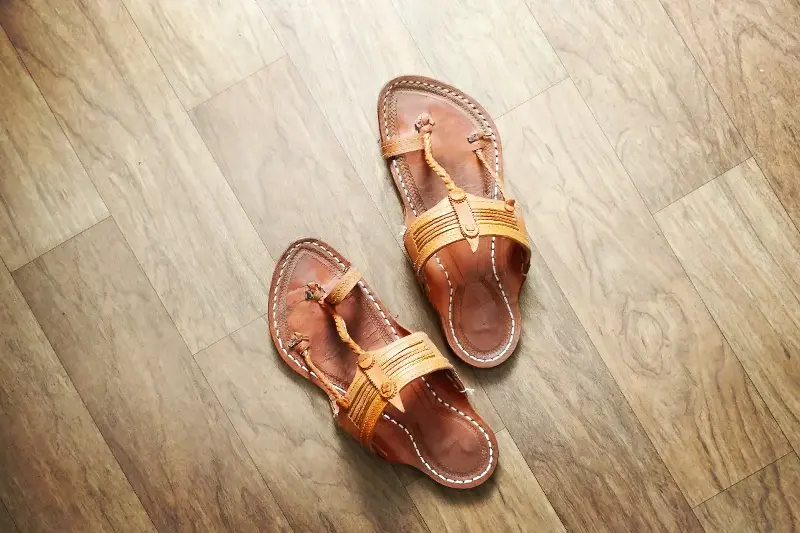
- Roman social markers: By the time of the Roman Empire, sandals evolved into strict social markers. Roman soldiers marched across continents in durable, heavy-soled leather boots called caligae, while elite politicians flaunted highly ornamented, soft leather shoes to clearly indicate their supreme rank.
From Function to Symbolism in the Middle Ages
Shoes truly became an unmissable indicator of personal wealth and class during the Middle Ages in Europe. The nobility completely abandoned practical designs in favor of striking, expensive materials.
The most famous oddity from this era was the poulaine—a long, ridiculously pointy shoe popular in the 14th and 15th centuries. Some poulaines were designed with tips so incredibly long that they had to be tied to the wearer’s legs with delicate silver chains just to allow normal walking. This absurd length had nothing to do with physical comfort; it was entirely about showing off one’s elite social standing and eccentric taste.
Later, during the Renaissance, wealthy Venetian women adopted chopines—dramatic platform shoes that sometimes reached a staggering height of 20 inches, requiring servants to help the wearer balance.

A Step Into Modernity and Mass Appeal
The invention of the mechanized sewing machine in the 19th century completely revolutionized the entire shoemaking industry. Until this major milestone, all shoes were painstakingly crafted by hand, a process that made them expensive and exclusive to the wealthy.
- The rise of mass production: Mechanization made footwear significantly more affordable and accessible to everyday people.
- Anatomical formatting: This industrial era finally gave rise to distinctly different, mirrored styles for the right and left feet, which was previously an incredibly rare concept.
- Athletic origins: The late 1800s introduced the very first athletic shoes featuring innovative rubber soles, paving a clear path for the future sneaker revolution.

Sneakers, Stilettos, and Global Self-Expression
The 20th century turned footwear into the ultimate icon of individuality and youth culture. Iconic canvas basketball shoes and classic running designs quickly transitioned from athletic courts straight into everyday high-fashion street styles.
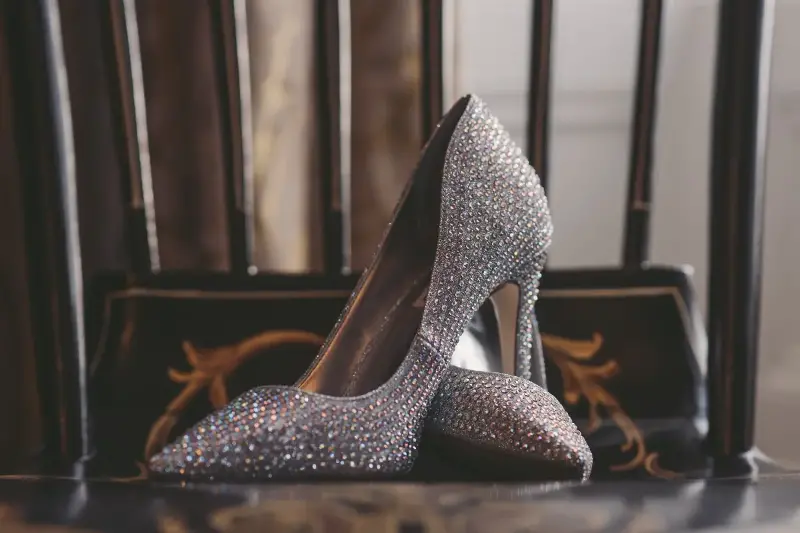
Meanwhile, the invention of the sleek stiletto heel in the 1950s transformed the silhouette of women’s fashion. Celebrated by Hollywood screen legends, these daring, high-heeled designs instantly became the global standard for modern glamour.
On the opposite side of the cultural spectrum, heavy work boots were adopted by expressive countercultures as a bold symbol of rebellion, while orthopedic German sandals underwent an image makeover to become the signature footwear for eco-conscious individuals.
Footwear as Art and Identity Today
Today, shoes are far more than a practical means of getting from point A to point B. The global sneaker market has grown into a massive multi-billion-dollar industry where rare, limited-edition designs are routinely traded and sold as highly coveted works of physical art.
Modern designers are constantly experimenting with bold architectural silhouettes, 3D-printed materials, and sustainable vegan leathers. This ensures that the future of footwear remains deeply rooted in both technological innovation and ethical fashion choices. What you choose to wear on your feet can show solidarity, spark creative conversations, or simply celebrate who you are to the world.