


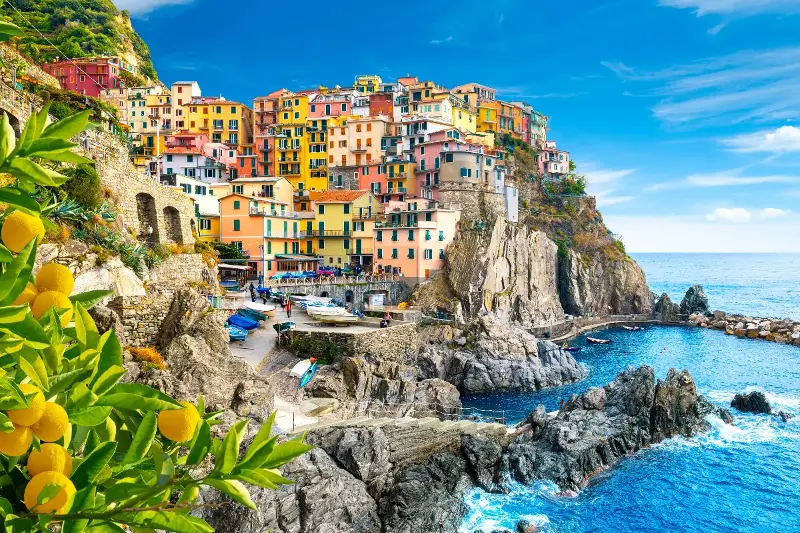
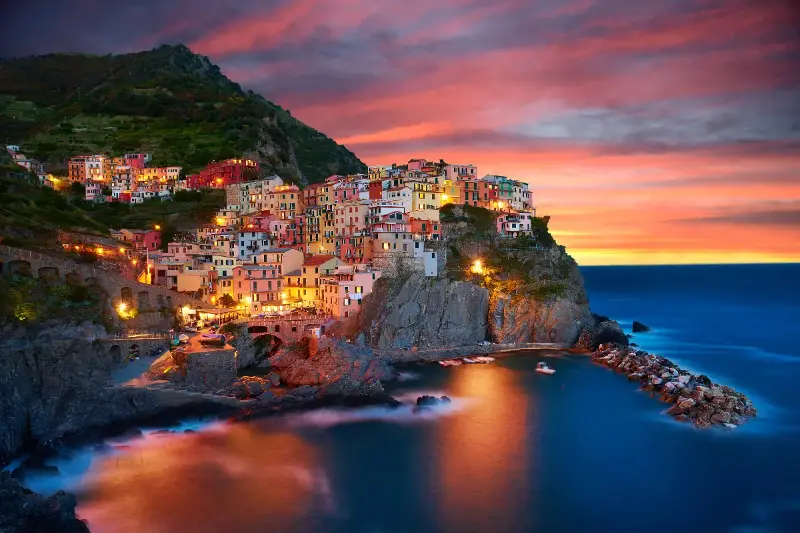
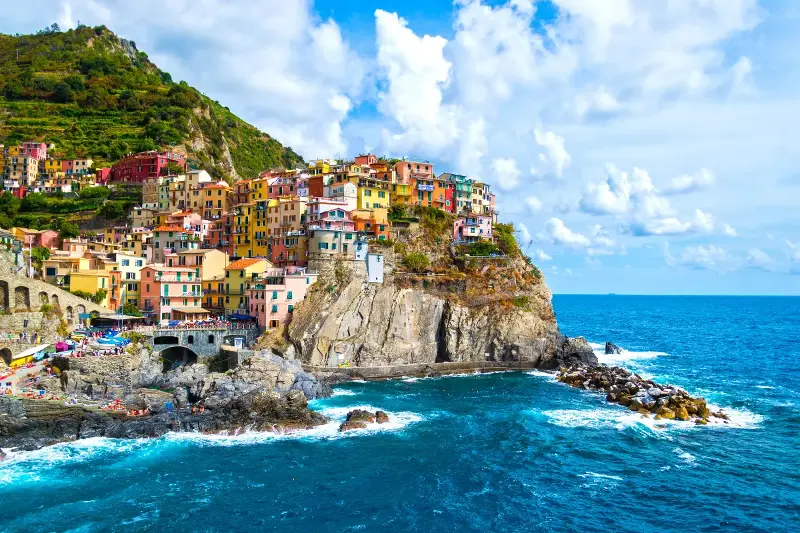
Nestled on the dramatic cliffs of Italy’s Ligurian coast, Manarola village delivers an unforgettable sight. Its collection of candy-colored houses, stacked precariously on rugged rock outcrops, forms one of the most photographed vistas in the world. Part of the celebrated Cinque Terre—a UNESCO World Heritage Site—Manarola is a place where beauty seems to know no bounds. What makes this tiny seaside hamlet so spectacular? A tapestry of culture, history, and natural wonder sets the scene for anyone lucky enough to visit.
A VILLAGE BUILT ON TRADITION
Manarola’s story dates back to Roman times. Its name is believed to derive from “Manium arula,” meaning “small temple of the Mani gods.” The village’s narrow alleys and small piazzas reflect its medieval roots, evident in the church architecture and the local dialect still spoken today.
Unlike larger resort towns, Manarola retains an authentic charm:
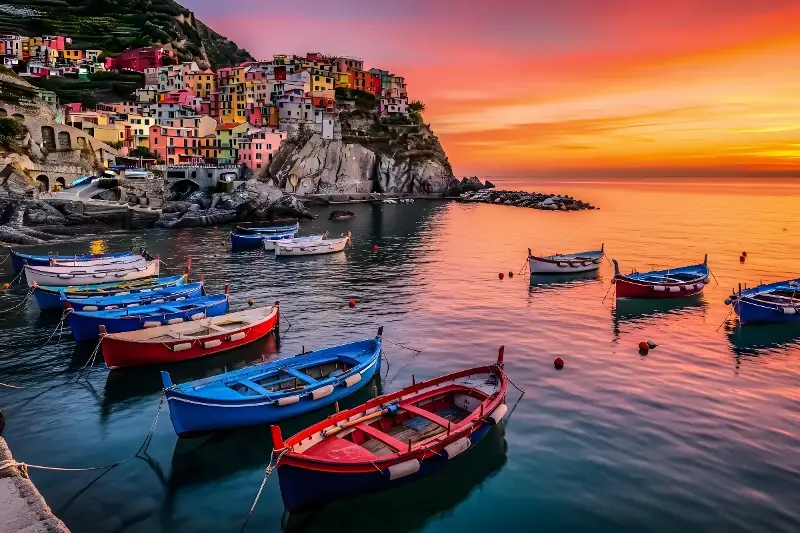
- Fishing Heritage: Tiny boats bob in the pale blue marina.
- Daily Rituals: Every morning, locals tend to fishing nets or bring in the daily catch, repeating rituals passed down through centuries.
THE LEGENDARY VIA DELL’AMORE
One of Manarola's most captivating features is its connection to the neighboring village of Riomaggiore via the famous Via dell’Amore, or “Lover’s Lane”.
Legend says this cliffside footpath was created as a meeting place for young lovers from the two villages whose families disapproved of their courtship. Today, the path hugs the cliff, offering spectacular vistas of the turquoise Ligurian Sea below—making it a world-renowned spot for couples and photographers alike.
SPECTACULAR TERRACES AND LANDSCAPES
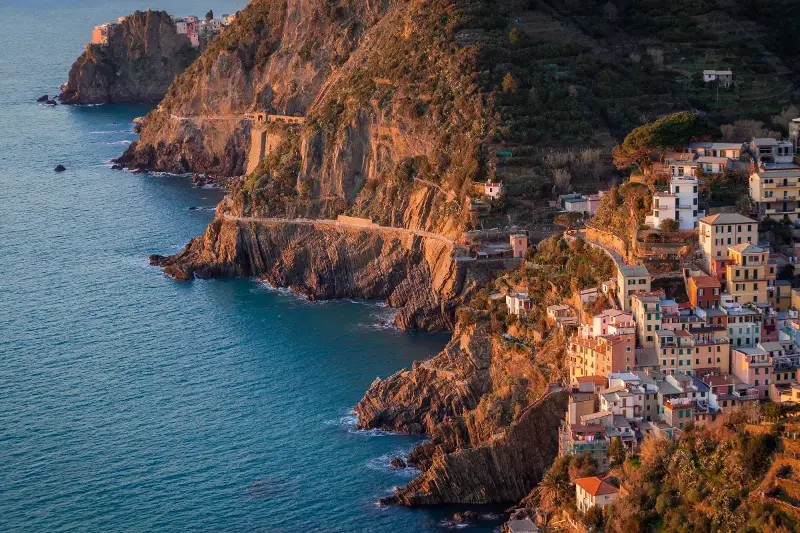
Manarola may appear perilously perched, but its dramatic terrain is a testament to human resilience and engineering. The hills rising behind the village are defined by ancient stone terraces that have been carved into the landscape over a thousand years.
The labor required to maintain these slopes is immense:
- Agricultural Ingenuity: Residents utilize tiny cogwheel monorails to navigate the nearly vertical inclines.
- Natural Fragility: The stone walls are held together without mortar, relying on the sea breeze and mineral-rich soil to keep the ecosystem stable.
ARTISTRY IN EVERY CORNER
Despite its small size, Manarola feels like an open-air art gallery. The village gained international acclaim through the Impressionist paintings of Antonio Discovolo, who captured its vivid colors on canvas.
The creativity continues today:
- The Presepe di Manarola: Each Christmas, the hillside transforms into the world’s largest illuminated nativity scene.
- Recycled Art: Hundreds of figures crafted from recycled materials glow after dark, drawing thousands of winter visitors.
A FEAST FOR THE SENSES
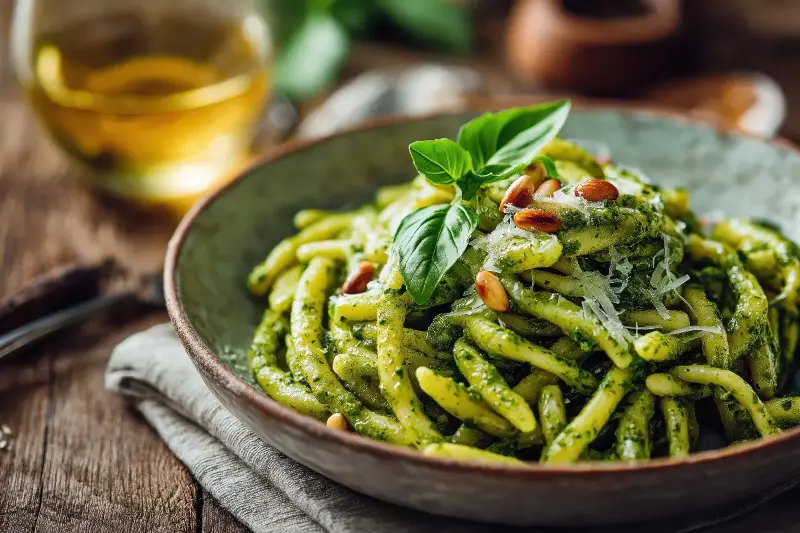
Manarola’s cuisine mirrors its marine setting. Anchovies, the star of local cooking, are enjoyed fried, pickled, or tossed with lemon and olive oil. Ligurian pesto—rich, green, and pungent—appears on everything from pasta to fresh crostini.
Dining is often an alfresco affair, where trattorias offer sunset views with every meal. Small shops tempt visitors with locally produced limoncino and honey, serving as perfect reminders of the heart of Cinque Terre.
SECRETS AND SURPRISES OFF THE BEATEN PATH
While the harbor is often bustling, Manarola offers quiet corners for those willing to explore:
- Hidden Paths: Descend secret stairs to plunge into the deep, clear sea.
- Higher Trails: Climb into the hills for viewpoints you can enjoy almost entirely to yourself.
- Sea Adventures: Rent a kayak to explore coves inaccessible by foot or join the locals on rocky outcrops for cliff diving.
PRESERVING PARADISE
Protecting Manarola’s heritage is a community priority. Residents collaborate with UNESCO and environmental groups to ensure sustainable tourism. Strict building regulations are in place so that the village’s magic remains for future generations.
A visit to Manarola is more than just a stop on an itinerary—it’s a plunge into the color, taste, and timeworn adventure that only Italy can offer.