


The world of storytelling is undergoing an extraordinary transformation. Thanks to advances in technology and shifting entertainment preferences, the way we consume stories is evolving beyond the pages of traditional books and the frames of screens. Today, podcasts and audiobooks are at the forefront of this revolution, reshaping not only how we experience narratives but also when, where, and even why we connect with them.
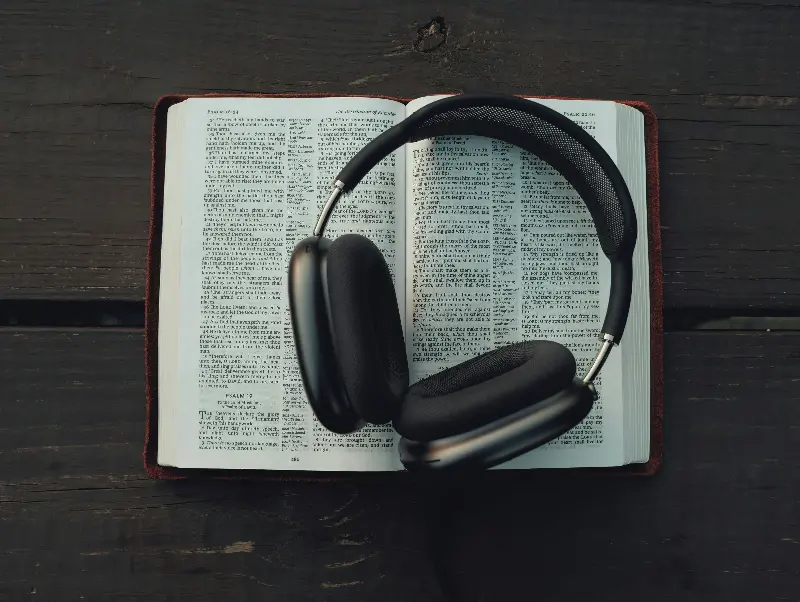
A World On The Move: Why Audio Fits Our Lives
Modern life keeps us busier than ever. Commuters fill subway trains with headphones instead of paperbacks. Parents seek entertainment during chores, gym enthusiasts swap playlists for thought-provoking podcasts, and students listen to novels as they walk between classes. Audio storytelling’s superpower lies in its flexibility—you no longer have to choose between doing and experiencing a great story. According to a 2023 study by Edison Research, 46% of Americans aged 12 and up have listened to a podcast in the last month, reflecting how seamlessly audio entertainment fits into multitasking lifestyles.
The ability to absorb stories while jogging, cooking, or simply relaxing with your eyes closed creates opportunities that static media can’t compete with. For those with limited free time, audio fills gaps in daily routines, making it possible to read—or listen—to more stories than ever before.
The Emotional Power Of The Human Voice
What sets audio apart isn’t just convenience, but the unique intimacy it brings. The human voice, with its inflections and emotions, adds a deeply personal layer to storytelling. Audiobook narrators and podcast hosts can shape the way a story unfolds by their tone, pace, and delivery. Listeners often develop an attachment to specific narrators or hosts, turning story consumption into an almost personal relationship.
Podcasts like “Serial” or “The Daily” draw millions not only for their content but for the engaging voices that guide listeners through complex stories. In the audiobook world, popular narrators such as Stephen Fry or Bahni Turpin have fan followings, with listeners seeking out new books simply because of their involvement. Research from the Audio Publishers Association shows that 74% of audiobook listeners say that a good narrator is a crucial factor in choosing what to listen to.

Expanding Access And Breaking Barriers
Beyond convenience and emotion, the rise of audio content is democratizing storytelling. Audiobooks and podcasts can reach audiences who may struggle with reading—either due to disabilities, learning differences, or language barriers. For many, listening opens doors that print or screens sometimes close. Audiobooks now regularly include simultaneous releases with print editions, helping readers with dyslexia or visual impairments join in on the latest literary phenomena.
Diversity in podcasting is also flourishing. Globally, creators from every background are launching shows that reflect a broader range of experiences and stories. According to “Infinite Dial,” the number of non-English language podcasts has soared in recent years, fueling a global storytelling renaissance.
The Boom In Podcasting: From Niche To Mainstream
Once a niche medium enjoyed by tech enthusiasts, podcasting has exploded into the mainstream. The number of active podcasts surpassed two million globally in 2023. Podcast genres range from true crime and comedy to self-improvement, history, and even experimental fiction, fueled by the accessibility of production tools—anyone with a microphone and an idea can launch a show.
This surge is also powered by big investments from media giants like Spotify, Apple, and Amazon. Exclusive podcast deals, original productions, and dedicated podcast apps mean more choice and higher production value than ever before. Revenue from podcast advertising continues to climb, expected to reach over $2 billion globally by 2024. For listeners, this means there’s a podcast for every imaginable interest, mood, or moment.