


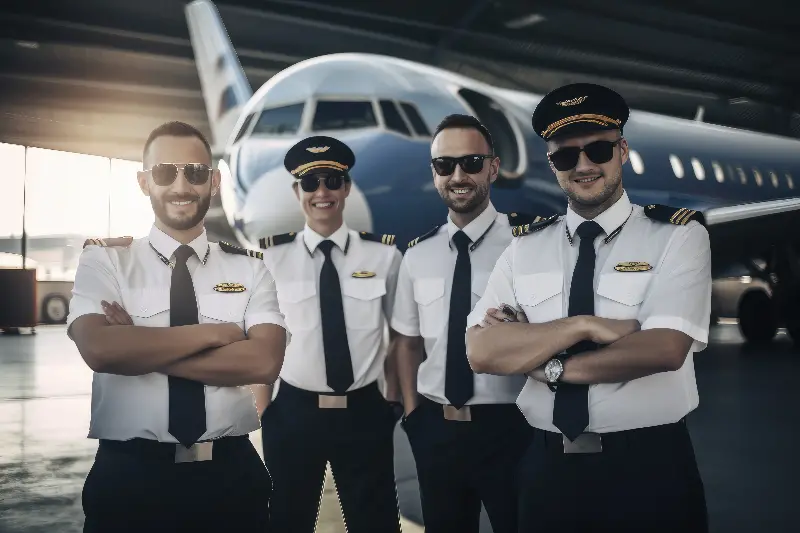
Stepping onto an airplane, most of us take our seats and place our trust in the unseen hands guiding us several miles above the ground. The cockpit door, sturdy and unyielding, is a gateway to a world of complex dials, glowing switches, and years of rigorous training.
However, it is also a realm filled with curious quirks, hidden procedures, and, sometimes, shocking revelations. For those who’ve ever wondered what secrets are kept behind that reinforced partition, here is an exclusive look into the mysterious world of a pilot’s life.
The Secret Language Of The Cockpit
Pilots, much like members of an exclusive club, have their own language and codes—designed as much for safety as for secrecy. You may hear seemingly innocuous chatter between the cockpit and cabin crew that carries a much heavier weight:
- "Mr. Smith is in the terminal": This might discreetly signal that a medical emergency is underway.
- Coded Security Threats: Pilots use specific phrases to communicate possible threats or mechanical issues without alerting passengers, preventing a mass panic.
- The "Pan-Pan" vs. "Mayday": While "Mayday" is for life-threatening emergencies, "Pan-Pan" signals an urgent situation that is not yet a disaster.
The ultimate aim of this coded communication is to manage critical information while maintaining a sense of serenity in the cabin.
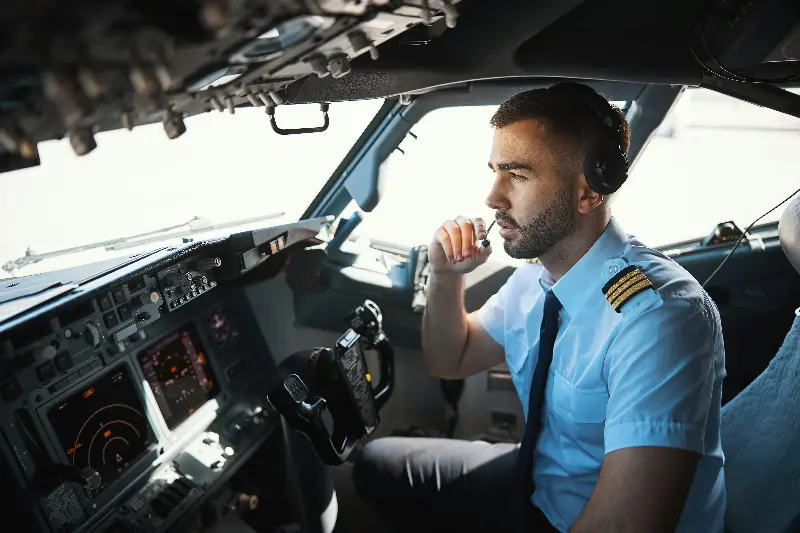
Hidden Features And Secret Procedures
Many passengers don’t realize that commercial planes are equipped with more secret compartments than just overhead bins.
- The Hidden Crew Rest: On long-haul flights, pilots and flight attendants sneak away to hidden chambers shrouded above the cabin ceiling or below the main deck. These windowless spaces contain beds and even small entertainment systems. Next time your captain’s voice comes on after a suspiciously long silence, they may have been catching a nap in a bunk just a few feet above your head.
- The Cockpit Crash Axe: It sounds like something out of a thriller, but every cockpit is equipped with a crash axe. Required by aviation regulations, this tool is used only in extreme emergencies—to pry open jammed doors or cut through cockpit panels if an electrical fire is suspected behind the wall.
- Pilot Meals: A Culinary Game Of Roulette: Ever wondered why pilots are served different meals than everyone else on board? Airlines enforce a strict dietary rule: the Captain and the First Officer must eat separate dishes.
- The Goal: Minimizing the risk of both pilots being struck by food poisoning at the same time.
- The Protocol: If the Captain chooses the beef, the First Officer must take the chicken or fish.
While passengers tuck into their trays in blissful ignorance, the flight crew is quietly practicing risk management with every bite to ensure at least one person remains capable of flying the aircraft.
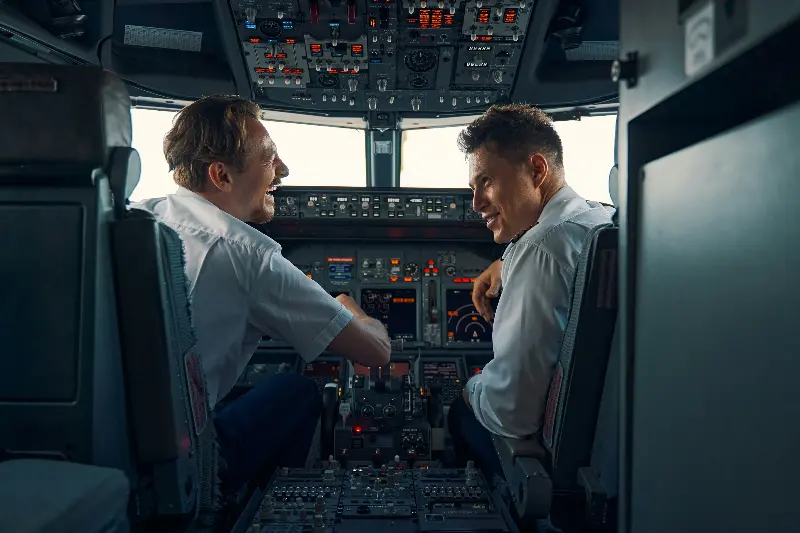
Oxygen Masks And The “15-Minute Myth”
Safety briefings are famous for their monotony, but what they don’t say is as interesting as what they do.
For example, the yellow oxygen masks that drop during a depressurization event only supply about 15 minutes of oxygen. This is not a design flaw. The intent is to provide just enough air for the pilot to perform an emergency descent—a rapid dive to 10,000 feet, where the outside air is thick enough to breathe naturally.
Unpredictable Turbulence And The Pilot Poker Face
Turbulence is one of the passengers’ greatest fears, but pilots treat it with the same level of concern as a driver treats a small pothole.
The Cockpit Secret: Pilots are rarely, if ever, afraid of turbulence. Modern aircraft are designed to withstand forces far greater than any storm can produce. When a pilot makes a calm announcement to "please take your seats," they are usually more concerned about you spilling your coffee or tripping in the aisle than the wings falling off. They maintain a "poker face" to ensure the cabin remains relaxed.

Minor Malfunctions And The Art Of Calm
You might be surprised how often small malfunctions occur on a flight. Pilots frequently deal with:
- Minor instrument errors.
- Faulty indicator lights.
- Small weather radar hiccups.
Most of these issues are handled swiftly using redundant systems and rarely warrant informing the passengers. Pilots are trained to be "professional non-escalators". Their priority is always safety first, showmanship second.
In the end, the cockpit is a blend of discipline, precision, and clever hacks that ensure you reach your destination safely. While you may never glimpse behind that door, the world’s best-trained professionals are working in the shadows to keep you soaring high and worry-free.