


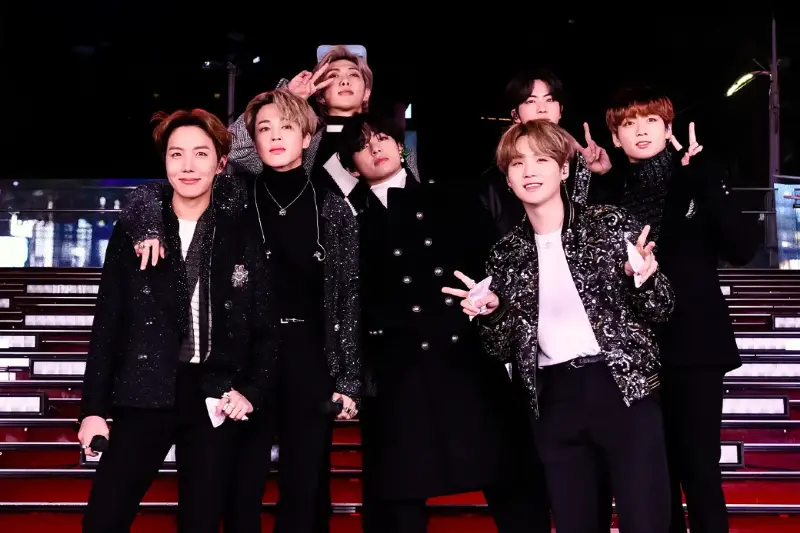
The explosive energy of stadium crowds, the contagious excitement on social media, and the enduring melodies that linger in our headphones—all of these have been quieter since BTS, the world’s most influential K-pop group, began their hiatus to fulfill South Korea’s mandatory military service. Anticipation for their return has never been higher, uniting fans from Seoul to Los Angeles, Berlin to Buenos Aires. But what exactly fuels this global anticipation? Beyond the surface of catchy tunes and dazzling choreography lies something far deeper: a cultural phenomenon that has changed the pulse of global entertainment.
Unprecedented Global Influence
Few artists have bridged the cultural gap between East and West as successfully as BTS. They were among the first Korean acts to achieve mainstream success on a truly global stage, topping the Billboard Hot 100 and selling out stadiums across six continents. Their impact has extended far beyond music charts; BTS has been invited to speak at the United Nations, featured on TIME’s list of the world’s most influential people, and cited in academic studies about modern fandom and social influence. This is not just another pop group—it is a movement.
BTS’s unique blend of genres—from hip hop and R&B to EDM and pop rock—has made their music accessible to a broad audience. Their lyrics, often co-written by group members, tackle complex themes such as self-acceptance, mental health, and societal pressure. This emotional honesty has fostered a rare connection with fans, who find comfort and camaraderie in both the band’s music and message. When BTS paused group activities, it left a noticeable void in a musical landscape eager for their frank conversations and inspirational storytelling.
An Evolving Narrative of Individuality and Unity
Part of the fascination with BTS lies in their group dynamic. Each member brings a distinct personality and musical color, from RM’s philosophical reflections to Jimin’s soulful vocals and Jungkook’s all-around versatility. Over the years, fans have watched them grow from scrappy hopefuls to bona fide global icons, navigating the pressures of celebrity while remaining remarkably down to earth.
Their journey mirrors that of many young people grappling with identity, ambition, and adversity, making them relatable despite their superstardom. It’s this evolving narrative—their willingness to show vulnerability alongside strength—that makes their return so anticipated. The world is eagerly waiting to see how BTS, now men with even more life experience, will express themselves in their next chapter.
A Fandom That Redefines Loyalty
Much has been said about ARMY, BTS’s devoted fandom, and with good reason. It is one of the most organized, passionate, and creative fan communities in the world. ARMY has broken Guinness World Records for online engagement and coordinated massive philanthropic projects in the group’s name, including global donations for disaster relief and social equality.
The longing for BTS’s return is as much about the joy of communal experience as it is about the music itself. Fans are not just waiting for a group, they are waiting for the next opportunity to come together—to fill stadiums, trend hashtags, share lightsticks, and collectively experience the energy that only BTS can provide. The current hiatus has not doused the fandom’s energy but rather intensified it, as seen in high streaming numbers for BTS’s past catalog and robust support for members’ solo projects.

BTS’s Impact on the Entertainment Landscape
The cultural shift driven by BTS is visible far beyond music. In fashion, they've redefined global trends, graced the covers of Vogue and GQ, and launched high-profile partnerships with brands like Louis Vuitton. Their impact is just as powerful in digital culture, where their use of social media—especially Twitter and Weverse—has set new standards for artist-fan interaction.
For many in the entertainment industry, BTS is a blueprint for how to achieve international success while navigating the challenges of language barriers and cultural differences. Their influence has inspired a new generation of artists to think globally from the outset, reshaping not only the definition of “boy band” but of international pop stardom itself.
Solo Ventures Fueling Anticipation
During the group’s hiatus, BTS members have embarked on individual projects, including solo albums, collaborations, acting roles, and television appearances. These efforts have been met with critical and commercial success, proving the members’ diverse talents and reinforcing their individual brands. For fans, these solo activities offer a tantalizing glimpse of what each member can do—and create mounting excitement for when they reunite and combine their evolved skills and creative perspectives.
Additionally, each release serves as a reassurance to fans that the BTS legacy is not on pause—it’s evolving. Every solo achievement is celebrated collectively, keeping the group’s narrative alive and the anticipation for their reunion electric.
The world is counting down not just to the return of their favorite songs, but to the reinforcement of hope, inspiration, and cross-cultural unity that BTS embodies. In a music industry often focused on the ephemeral, BTS has built a legacy rooted in substance, artistry, and the unwavering support of millions. Their impending return isn’t just a comeback; it’s the next chapter of a global story that millions are poised to celebrate together.