


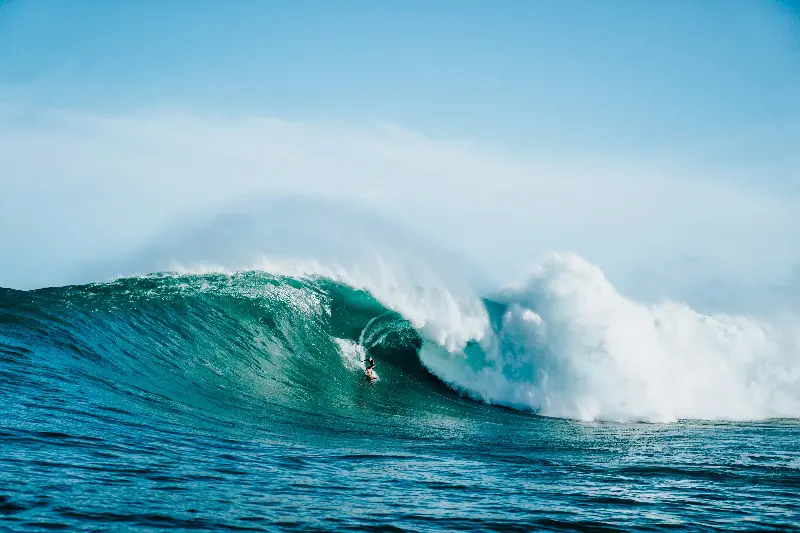
When you imagine standing at the edge of a beach, hundreds of kilometers from another continent, you might simply see rolling water rushing to shore. But waves are not just scenic—they are nature’s power in motion, connecting continents and fundamentally shaping lives.
Their journey across vast oceans tells a story of energy, transformation, and connection that is both mesmerizing and essential to life on Earth. To understand the ocean is to understand the wave—the heartbeat of our blue planet.
THE BIRTH OF A WAVE: ENERGY SET IN MOTION
Waves begin as tiny disturbances, born where wind meets water. This process, while seemingly simple, involves a complex transfer of physics:
- Solar Forcing: The sun heats the Earth unevenly, creating atmospheric pressure changes that result in wind.
- The Friction Effect: As wind blows across the surface, friction grabs the water, creating ripples.
- Wind Fetch: The stronger and longer the wind blows over a specific distance (the fetch), the more massive and powerful the waves become.
What’s particularly fascinating is that the water itself is not traveling vast distances. Instead, waves are energy moving through the water. The water molecules actually remain largely in place, bobbing in a circular motion as the pulse of energy passes by. Imagine tossing a pebble into a pond—the ripples you see radiating outward are this same phenomenon on a much smaller scale.
CONNECTING CONTINENTS: THE GLOBAL OCEAN CONVEYOR
Waves are more than an ocean spectacle; they form a critical part of a global system connecting continents. Ocean waves, currents, and tides work together to circulate water around the planet in what scientists call the Global Conveyor Belt.
This circulatory system is vital for several reasons:
- Heat Distribution: It moves warm water from the equator toward the poles, regulating global climates.
- Nutrient Cycling: It brings deep-sea nutrients to the surface, feeding massive ecosystems.
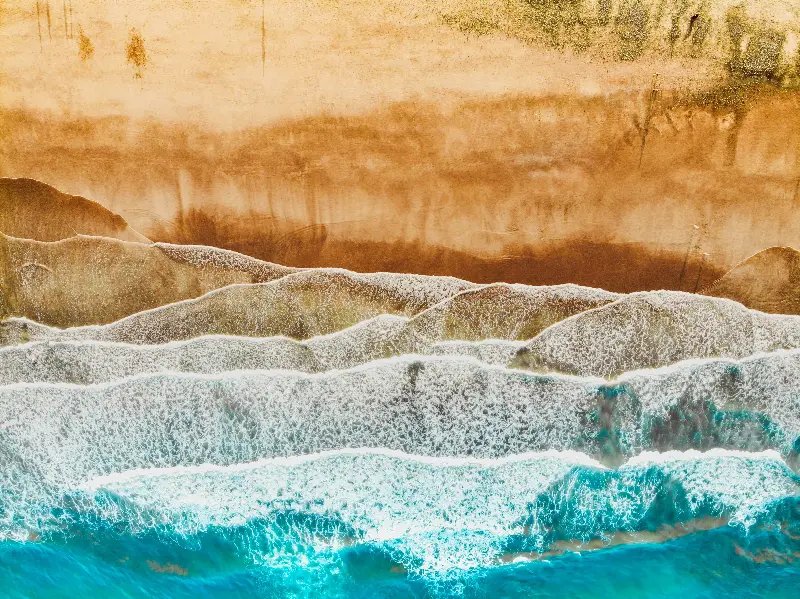
- Sediment Transport: Relentless pounding erodes cliffs and carries millions of tons of sand, silt, and organic matter to distant shores.
WAVES AND LIFE: ENGINES OF BIODIVERSITY
Beyond their physical force, waves are life-makers. Their churning energy oxygenates the surface waters, creating ideal conditions for plankton—the very foundation of the marine food web.
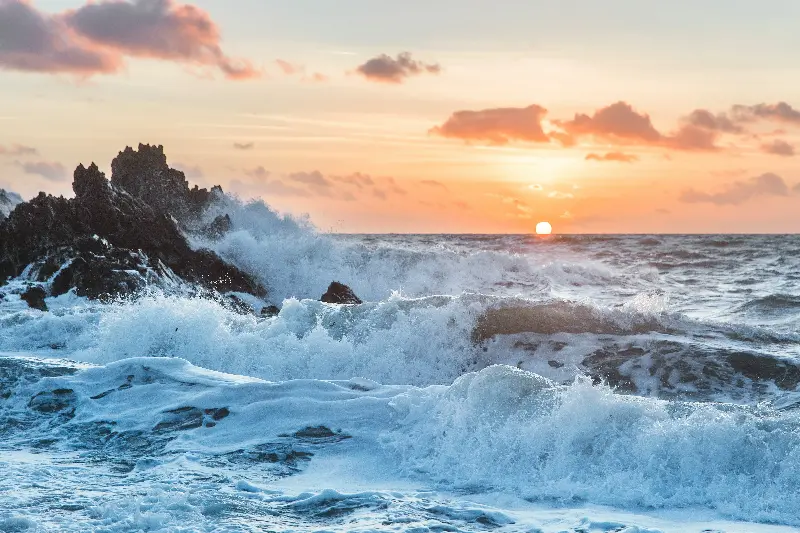
Where waves crash onto rocky shores, they create dynamic "disturbed" zones. These areas, like tide pools, are brimming with resilient creatures such as starfish and sea anemones. Furthermore, waves act as a biological transit system, distributing fish larvae, seaweed spores, and even floating seeds across the horizon. This dispersal connects distant populations and enriches the genetic diversity of our oceans.
HARNESSING WAVE ENERGY: TOMORROW’S GREEN POWER
For centuries, humans have respected the power of the surf. Today, we are learning to capture it. Engineers are developing Wave Energy Converters (WECs) to harness mechanical motion and transform it into clean electricity.
With over 70 percent of the Earth's surface covered by water, the potential for sustainable power is staggering. Pilot projects are already providing electricity to remote coastal villages, helping these communities shrink their carbon footprint and reduce a historical reliance on fossil fuels.
A FORCE OF CHANGE: WAVES AND SOCIETY
Throughout history, waves have been critical to human survival. Ancient mariners learned to navigate the trackless seas by "reading" the swells, while modern surfers and sailors use wave patterns to master the elements.
However, waves also serve as a humbling reminder of nature's dominance. Events like the 2004 Indian Ocean tsunami highlight the need to study these forces for survival and disaster mitigation. Yet, despite their danger, the soothing, rhythmic percussion of breaking waves continues to draw millions to the shore for reflection and joy.
WAVES IN A CHANGING WORLD: LOOKING TO THE FUTURE
As our understanding of waves deepens, so too does our appreciation of their role in a changing climate. Rising sea levels and intensifying storms are altering wave patterns and coastal landscapes globally. These shifts challenge both natural systems and human infrastructure, but they also offer an opportunity to adapt and innovate.
The wonder of waves is more than their aesthetic beauty; it is a living link that continues to shape the destiny of the world. Next time you hear the crash of the surf, remember: you are listening to the untamed energy that unites our entire planet.