


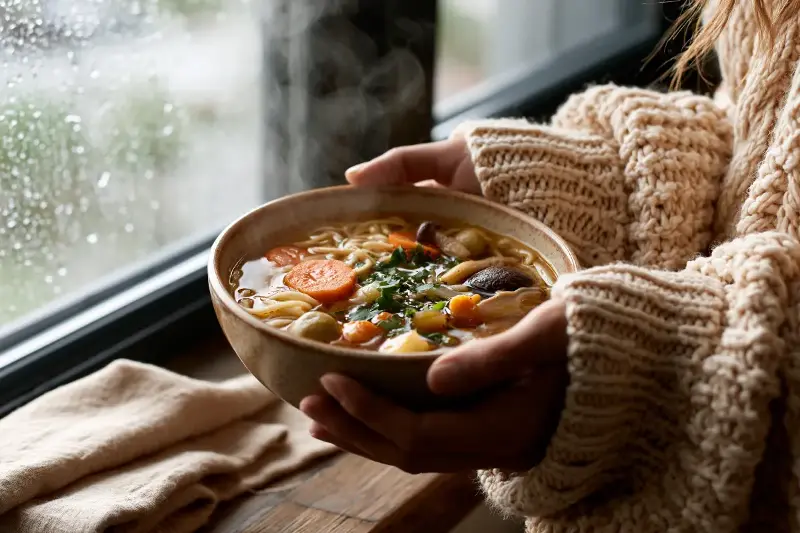
When deadlines pile up, relationships feel strained, or the world feels unpredictable, many people do not reach for the newest trend on the menu. Instead, they think about macaroni and cheese, chicken soup, mashed potatoes, buttered toast, or a biscuit made the way a parent or grandparent once prepared it. These dishes are often called comfort foods, but their enduring appeal goes far beyond simple taste.
Childhood comfort foods serve as an edible refuge. A familiar scent from the kitchen can instantly bring back warm memories: a rainy afternoon at home, a birthday party, or a family dinner where everyone felt safe and together. During stressful periods, the brain naturally looks for signals of security, familiarity, and relief—and food provides all three.
The Powerful Link Between Food and Memory
Our sense of smell plays a primary role in food nostalgia. Smell is directly connected to brain regions involved in emotion and memory, including the amygdala and hippocampus. This direct connection explains why the scent of cinnamon, tomato sauce, fried onions, or warm bread can trigger a vivid memory far faster than a photograph or song.
Food memories are especially powerful because eating is woven into daily life and social moments:
- Care and Recovery: A bowl of warm soup recalls being cared for during a sick day.
- Relaxation: Fluffy pancakes bring back memories of slow, peaceful weekend mornings.
- Shared Joy: A favorite childhood treat recalls fun visits to a neighborhood shop with friends.
Psychologists describe this phenomenon as associative learning. If a child repeatedly eats a certain meal while feeling loved and secure, the brain permanently links that food with emotional safety.

Why Stress Increases the Urge for Familiarity
Stress forces the brain to focus on quick rewards and simplicity. When you feel overwhelmed, your brain has less mental energy for decision-making or experimenting with new recipes. Familiar foods require zero mental effort—they are predictable, comforting, and easy to imagine.
There is also a biological reason comfort foods are appealing. Many classic choices are rich in carbohydrates, which can temporarily influence serotonin activity—a chemical that helps regulate mood.
While a warm cookie or creamy pasta cannot solve the source of ongoing stress, the brief pause it provides can be meaningful. In a demanding day, a familiar meal offers a gentle moment of control and comfort.

Comfort Is Social, Not Just Nutritional
Many favorite childhood dishes represent human connection. Someone prepared them, packed them in a lunchbox, or served them at a shared table. Because of this, the emotional meaning of food varies greatly by individual and culture:
- Personal History: For one person, mashed potatoes represent a joyous holiday gathering; for another, they may carry no emotional weight at all.
- Cultural Reassurance: Around the world, comforting meals take many forms—such as congee, dal and rice, dumplings, lentil soup, or warm flatbread.
- Emotional Continuity: Nostalgic foods remind us of our personal history and connections, offering belonging during times of change or uncertainty.

Routine, Predictability, and Guilt-Free Enjoyment
Preparing a childhood recipe can serve as a calming, grounding ritual. Peeling vegetables, stirring a sauce, or waiting for a dish to bake gives the mind a concrete focus away from screens and daily stressors.
Enjoying these familiar meals should never bring guilt. A healthy approach balances physical nutrition with emotional well-being:
- Identify the Need: Pause to consider whether your craving stems from physical hunger, tiredness, or a desire for reassurance.
- Mindful Comfort: Enjoy beloved recipes mindfully, or gently adjust them by adding fresh vegetables or lighter ingredients.
- Supportive Choices: Pair a comforting dish with other positive habits, like a peaceful walk, music, or a phone call with a friend.
Childhood comfort foods speak a language the brain learned early: warmth, safety, and care. A familiar bite cannot remove life’s pressures, but it serves as a sweet reminder that comfort is always within reach.