


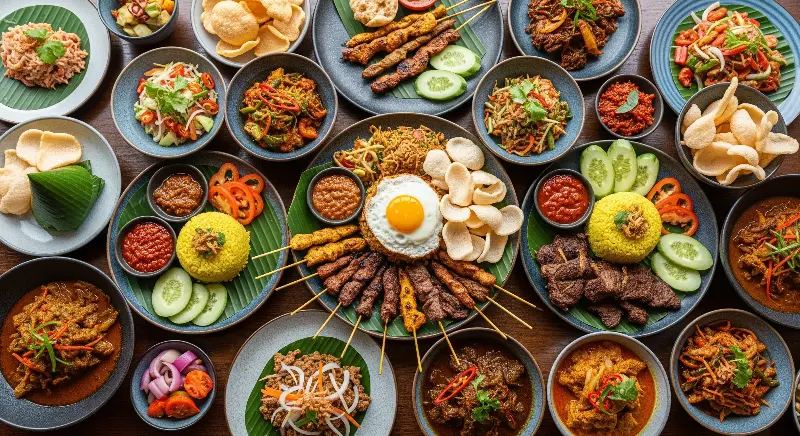
Southeast Asia is home to some of the most vibrant, aromatic, and bold flavors on the planet. In recent years, its dynamic cuisines have gradually worked their way onto the world’s biggest food stages. Now, as we approach 2026, all signs point to a global takeover. Spicy sambals, aromatic herbs, and mind-bendingly fresh dishes—from Vietnam, Thailand, Indonesia, the Philippines, Malaysia, Singapore, and beyond—are set to become staples wherever humans chase deliciousness.
A DYNAMIC TRADITION OF CULINARY FUSION
One reason for Southeast Asian food’s rising prominence lies in its own complex history of fusion. The region has always been a crossroads of migration, trade, and cultural exchange. Layered into each bite are centuries of Chinese, Indian, Arabic, Spanish, Dutch, Portuguese, and indigenous influences.
Consider these iconic examples of "original" fusion:
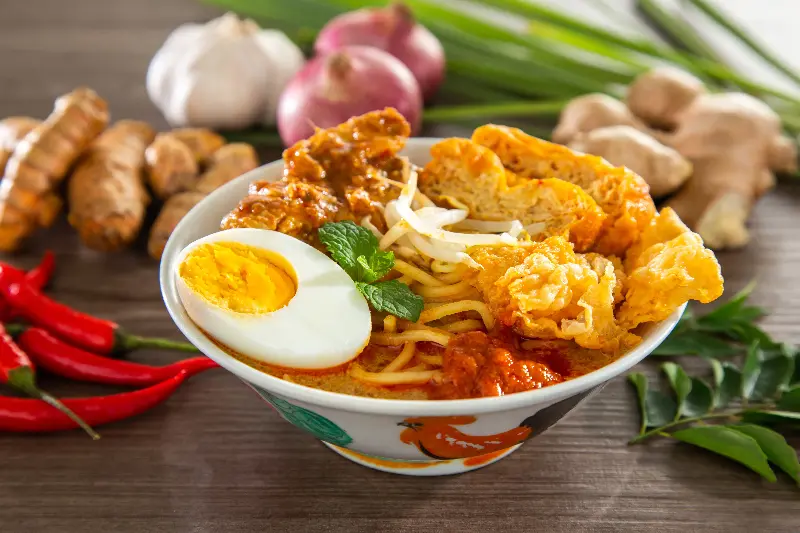
- Malaysian Laksa: A masterpiece that brings together Chinese noodles, Indian spices, and Malay seafood in a creamy coconut broth.
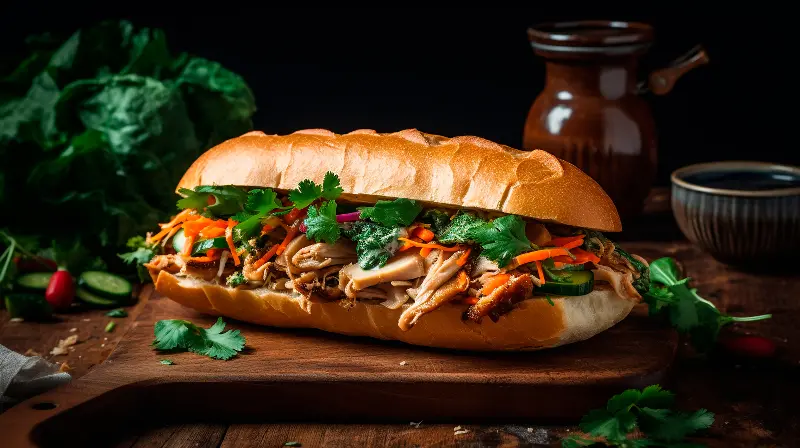
- Vietnamese Banh Mi: A delicious collision where French baguettes and pâtés meet local cilantro, chilies, and pickled daikon.
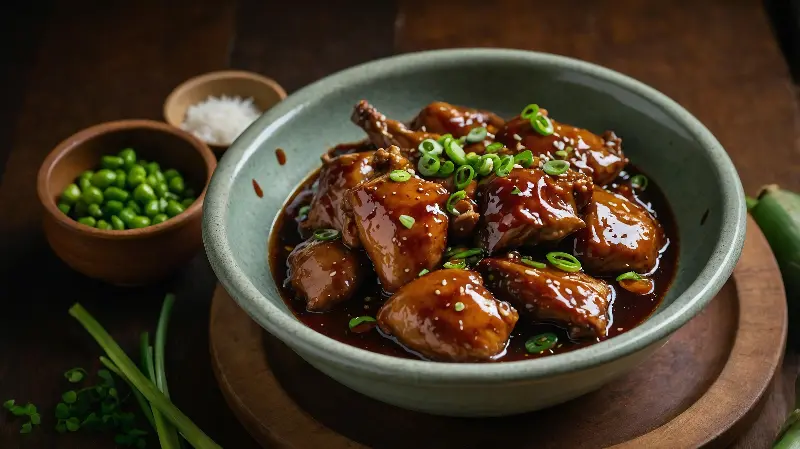
- Philippine Adobo: A dish shaped by indigenous techniques and Spanish colonial influences, highlighting the preservation power of vinegar and soy sauce.
This heritage of blending cultures means Southeast Asian flavors are highly adaptable. Whether added to vegan, gluten-free, or plant-based menus, these profiles complement a variety of modern dietary trends. For chefs and home cooks alike, the versatility of these ingredients offers a goldmine of inspiration.
EXPLOSIVE FLAVOR, SIMPLE INGREDIENTS
The taste profiles from Southeast Asia are instantly recognizable—sharp, bright, and complex. Rather than relying on heavy sauces or fats, cooks balance five fundamental elements:
- Sweet (Palm sugar, fruit)
- Salty (Fish sauce, soy sauce)
- Sour (Tamarind, lime, vinegar)
- Spicy (Fresh and dried chilies)
- Umami (Shrimp paste, fermented beans)
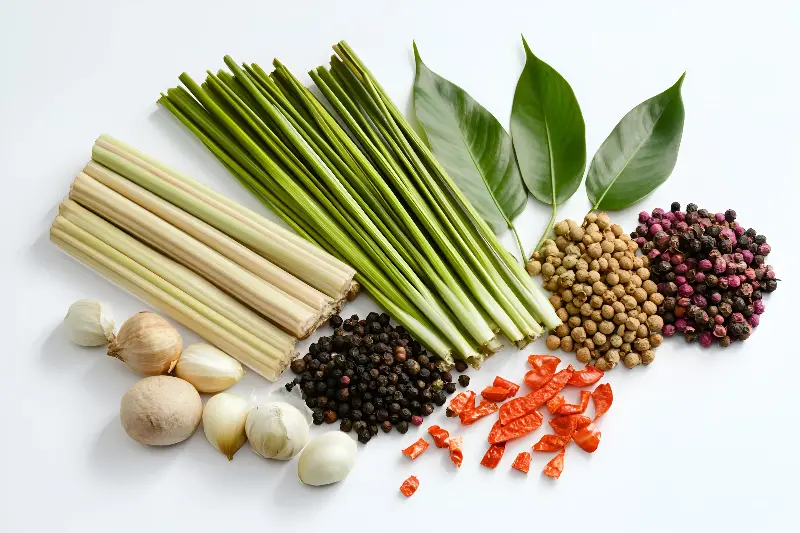
What sets this cuisine apart is how it achieves depth with humble, everyday ingredients. Lemongrass, lime, coconut, and tamarind have begun to appear on supermarket shelves across the globe. As access increases, so does the desire to experiment—and Southeast Asian cooking offers bold results even with minimal practice at home.
THE MODERN WELLNESS WAVE
Global eaters are more health-conscious than ever, seeking nutrient-dense foods with anti-inflammatory benefits. Here, Southeast Asian diets have a natural advantage. Many dishes prioritize fresh vegetables, lean proteins like fish and tofu, and broths infused with medicinal herbs.
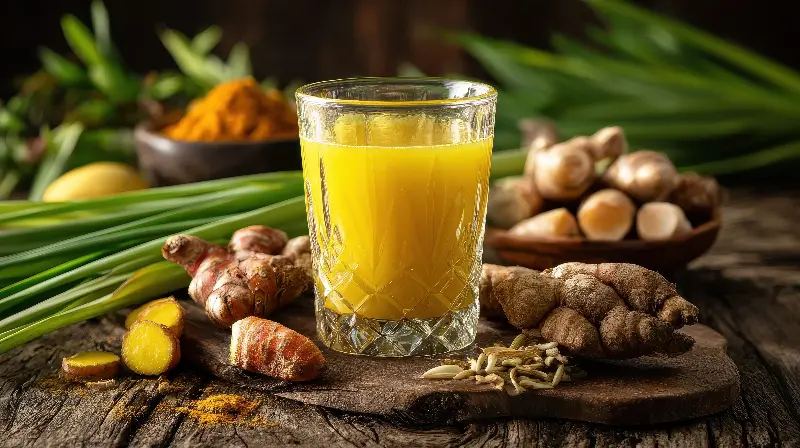
- Medicinal Herbs: Ingredients like galangal, turmeric, and holy basil are staples in everyday cooking.
- Jamu (Indonesia): This turmeric-infused beverage, dating back centuries, is being rediscovered worldwide as a "wellness elixir".
- Hydration & Comfort: Across Vietnam and Thailand, hot herbal soups and teas deliver comfort alongside vital nutrients.
With the rise of interest in “food as preventive medicine,” these preparations are poised for even greater mainstream acceptance in the health and fitness communities.
STREET FOOD CULTURE INSPIRES CREATIVITY
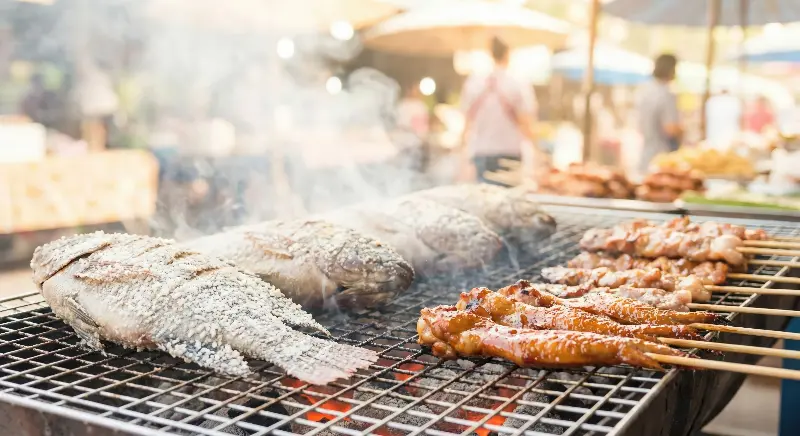
Perhaps nowhere in the world is street food as integral to daily life as in Southeast Asia. Rows of bustling stalls and night markets offer a culinary playground where tradition meets innovation. The explosion of street food culture has fueled global creativity—think of the worldwide obsession with bubble tea or satay skewers.
As international travel and social media have exposed new audiences to these experiences, street food has become aspirational. Travelers crave the authenticity of Bangkok’s night markets or the dazzling variety of Singapore’s hawker centers. In response, Western chefs are reinventing classics, elevating humble noodle soups into fine dining experiences or offering hand-rolled summer rolls on fast-casual menus.
RISING STARS IN THE CULINARY SCENE
Southeast Asian chefs are no longer found just within the borders of their home countries. Diaspora communities from Manila to Melbourne to Minneapolis are shaping the way the world eats by opening up their family recipe books.
Prominent ambassadors include:
- Chef Malcolm Lee (Singapore): A Michelin-starred chef bringing modern interpretations of Peranakan cuisine to the world.
- Chef Pim Techamuanvivit (San Francisco): Her restaurant, Kin Khao, has introduced exquisite, traditional Thai flavors to international palates.
- Media Impact: Netflix’s travel and food series have catapulted dishes like Vietnamese Pho and Thai Green Curry into the global consciousness.
ADVENTUROUS EATERS EAGER FOR NEW EXPERIENCES
As diners grow ever more adventurous, Southeast Asian cuisine stands ready to deliver. Its intersection of heat, sourness, and umami is unlike anything else. Younger generations, especially, are broadening their horizons, excited to try ingredients like fermented shrimp paste, jackfruit, pandan, and kaffir lime.
Eating is increasingly about exploration, sharing stories, and celebrating cultural diversity. Southeast Asia’s colorful, storied, and delicious foodways hold the key to the next era of culinary excitement. Whether you’re cooking at home, grabbing takeout, or dining out, expect to experience the seductive, unforgettable flavors of Southeast Asia everywhere you turn in 2026. The world’s kitchens are getting a lot more vibrant—and we’re all in for a treat.