


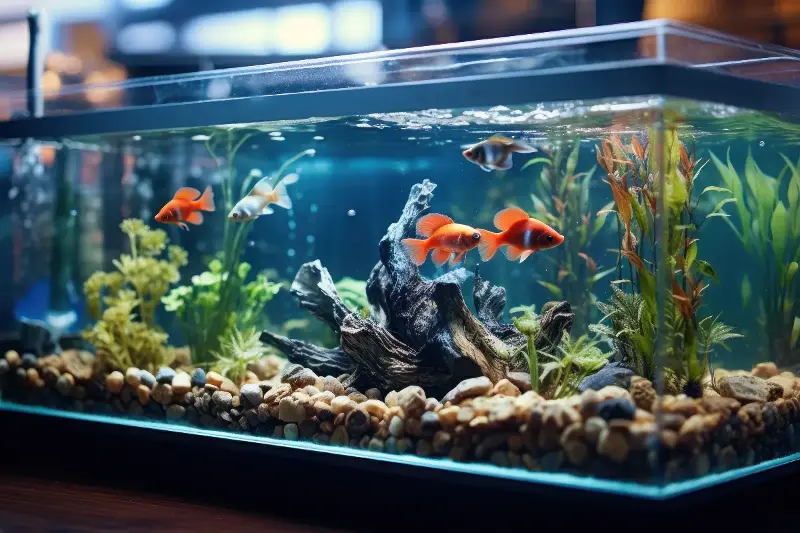
Imagine a living piece of art swimming in your living room, casting glimmers of color across the walls. Aquariums offer that magical presence, but many believe that keeping vibrant fish requires expensive equipment, especially extra oxygen pumps.
WHY SOME FISH DON’T NEED EXTRA OXYGEN
Here is the secret: several beautiful fish species thrive without added oxygen support, making them perfect for both beginners and seasoned aquarists who prefer a simple, quiet setup.
Fish need oxygen to survive, but not all species require vigorous bubbling from an air pump. Some have evolved in slow-moving, low-oxygen waters in nature, giving them the unique ability to breathe atmospheric air or efficiently harvest what little oxygen is dissolved in still waters.
- Low-Tech Advantages: This unique adaptation allows certain aquarium favorites to live healthily with just basic filtration and regular water changes.
- The Result: You enjoy an easier, quieter, and more budget-friendly fishkeeping experience without noisy equipment or complicated gadgets.
BETTA FISH: THE CROWNED JEWELS OF STILL WATERS
Bettas, sometimes known as Siamese fighting fish, are perhaps the most iconic low-oxygen aquarium inhabitants. Their dazzling, flowing fins come in a mesmerizing palette ranging from electric blues to rich maroons and gleaming whites.
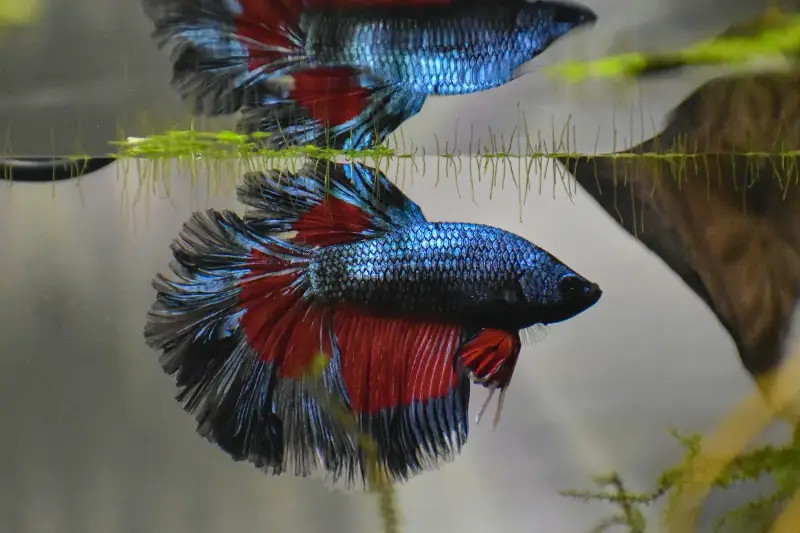
The secret lies in their specialized labyrinth organ, which allows bettas to breathe air directly from the water’s surface. In the wild, bettas thrive in natural puddles and still rice paddies. In a home tank, they are happiest with gentle water movement and minimal surface disturbance. Just ensure the tank is not overcrowded, and you will see their distinct personalities shine.
GUPPIES: SHIMMERING RAINBOWS FOR EVERYONE
Few fish are as instantly recognizable or joyful as the guppy. From shimmering greens and blues to fiery oranges, these tiny swimmers bring constant splashes of color and energy to your home.
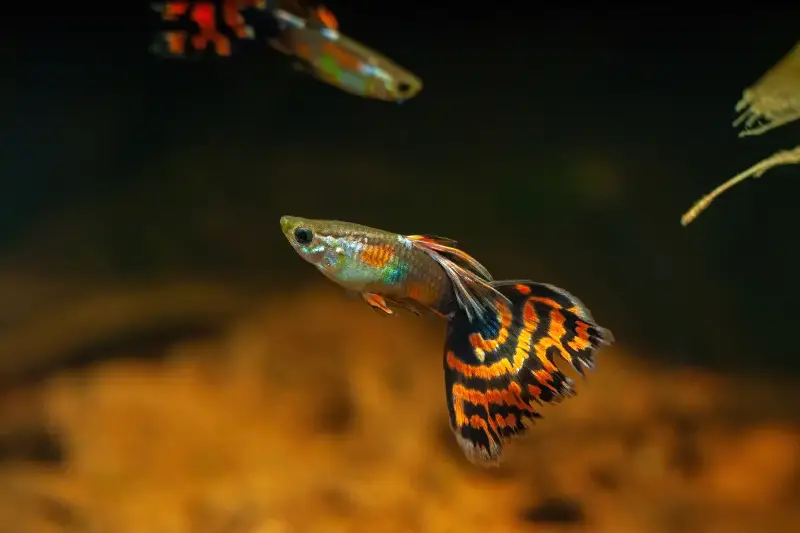
- Exceptional Hardiness: Guppies adapt remarkably well to a wide variety of water conditions.
- Surface Breathing: While they breathe primarily through their gills, they survive easily in environments where oxygen is occasionally low, provided there is basic surface agitation.
- Prolific Swimmers: Their highly active and reproductive nature means you may soon see tiny baby guppies swishing alongside their parents!
MOLLIES AND PLATIES: VERSATILE SUNBEAMS OF POSITIVITY
Mollies are celebrated for their gentle personalities and diverse color options, ranging from jet-black to speckled golds and silvers. Their unique, upturned mouths allow them to easily snatch oxygen at the surface when needed, and their love for plant-rich tanks helps maintain a natural, balanced environment.
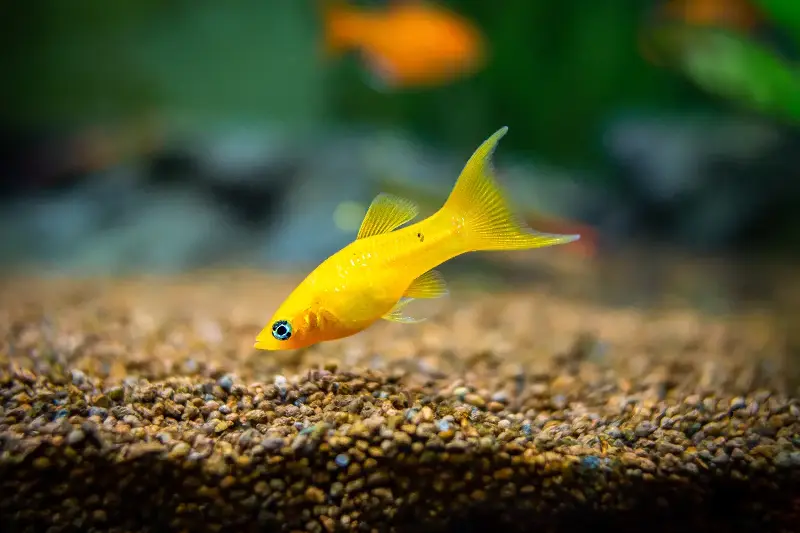
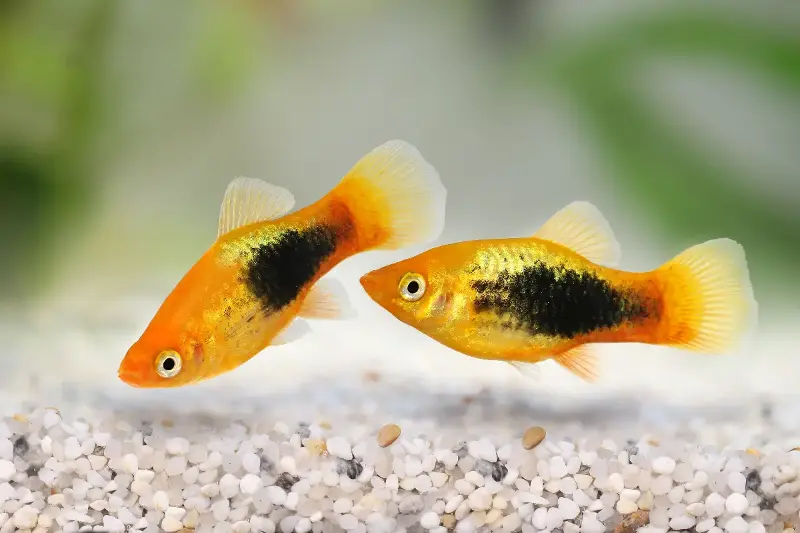
Platies are equally cheerful, tiny fish that light up any tank with bright reds, rich oranges, and sunset yellows. These fish are completely undemanding when it comes to oxygen supplementation:
- They thrive beautifully in smaller aquariums with standard, moderate filtration.
- Their peaceful nature makes them spectacular additions to community tanks.
- Their energetic activity provides a constant, soothing source of daily enjoyment.
PARADISE FISH AND ZEBRA DANIOS: ANCIENT ELEGANCE AND LIVELY STRIPES
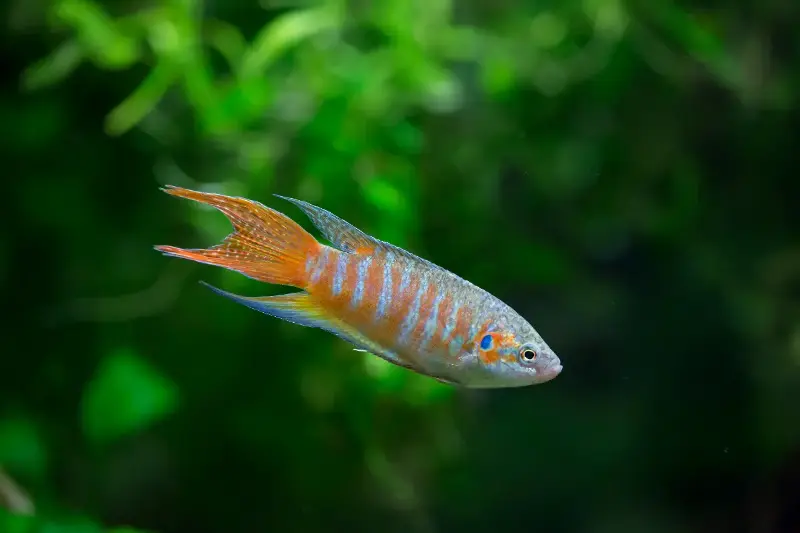
With their bold lines and radiant blues, reds, and greens, paradise fish are living testaments to aquarium history. Like bettas, paradise fish possess a labyrinth organ, allowing them to breathe atmospheric air effortlessly. They can also tolerate slightly cooler water temperatures, broadening their suitability for simple household setups.
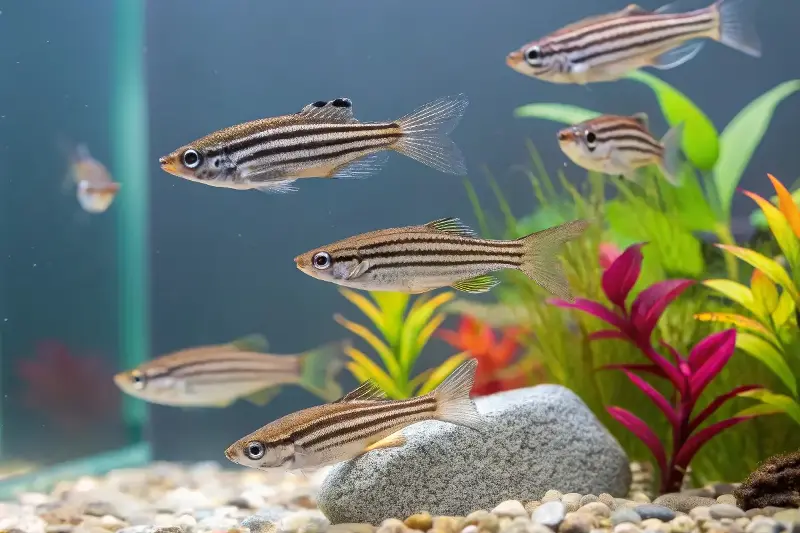
Zebra danios, featuring sleek silver bodies crisscrossed by royal blue stripes, are incredibly energetic and sociable. They are natural-born survivors that handle low-oxygen conditions thanks to their agile gills and enthusiasm for moving near the water’s surface. Because they are so active, danios regularly encourage shyer tank mates to come out and explore, creating a highly interactive community.
GOLDFISH: SURPRISINGLY ADAPTABLE CLASSICS
Goldfish might be the most misunderstood aquatic pets. While it is true that goldfish create a fair amount of waste—meaning they require consistent water cleanliness—healthy goldfish can actually endure low-oxygen environments for short periods.
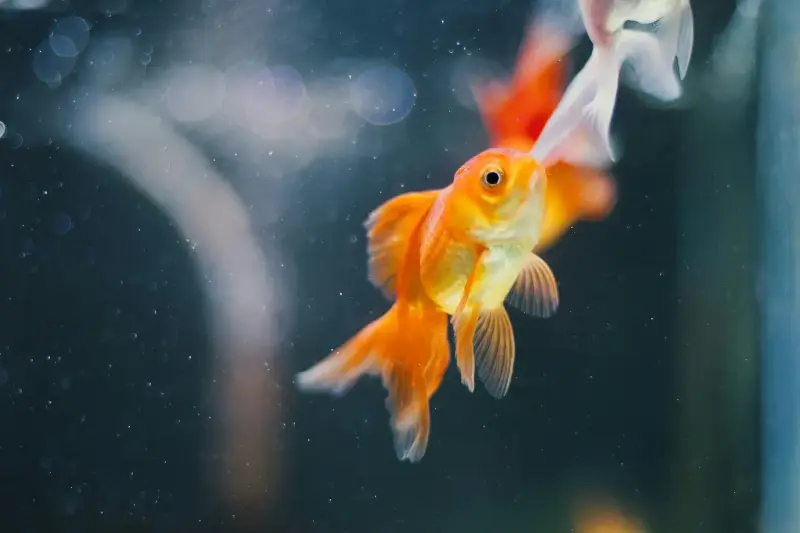
They are naturally found living in ponds and lakes where oxygen levels fluctuate throughout the seasons. Their ceaseless curiosity, shimmering scales, and wide variety of varieties keep aquarists fascinated for decades.