


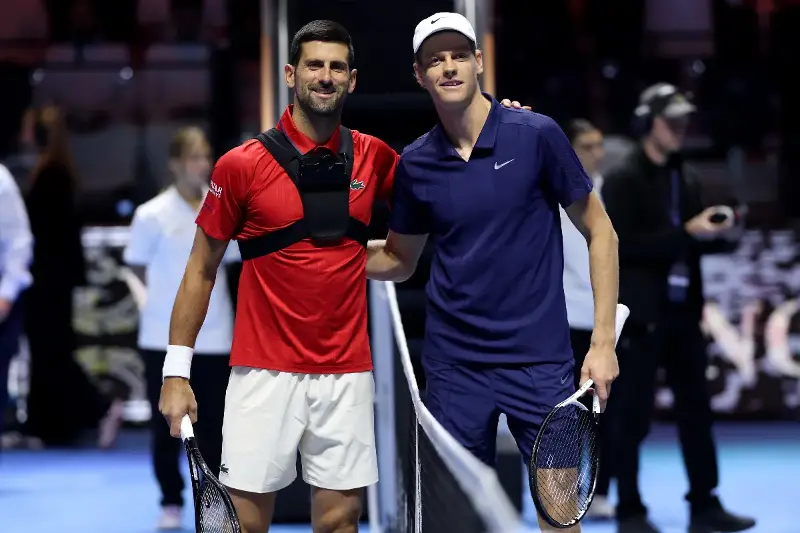
Jannik Sinner and Novak Djokovic have both withdrawn from the Montreal Masters, marking the second consecutive year that both star players will miss the prestigious Canadian Open tournament. The high-profile double withdrawal leaves a significant void at the top of the draw and amplifies ongoing concerns regarding player workload and scheduling pressures across the professional circuit.
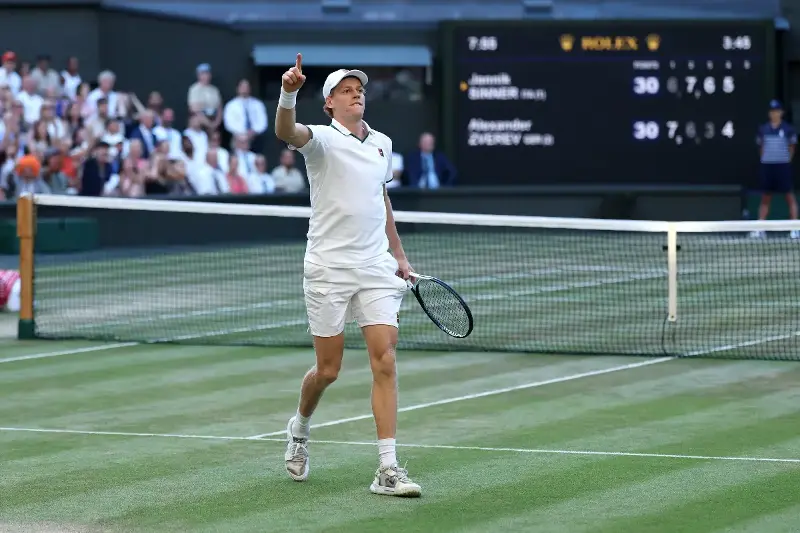
The decision comes directly on the heels of a demanding grass-court swing, where world number one Sinner captured his sixth Grand Slam singles title by defeating Alexander Zverev in an intense championship match. Despite his momentum, the Italian superstar determined that stepping back to focus on rest and physical recovery was the most responsible path forward for his long-term health.
In an official statement released to fans and tournament organizers, Sinner reflected candidly on the difficult choice to skip the event.
"It's never easy to miss such an important tournament, but we believe that prioritizing health is the right decision," Sinner stated. "I'm very disappointed that I can't participate and hope to be back in Montreal soon."
Sinner Misses Chance For Historic Masters Sweep
Beyond the immediate disappointment for local supporters in Canada, Sinner's absence carries notable historical implications for his personal record book. Prior to pulling out of the tournament, the Italian was enjoying an extraordinary campaign, having already captured five Masters 1000 titles earlier in the year with victories at Indian Wells, Miami, Monte Carlo, Madrid, and Rome.
His decision to skip Montreal means he will no longer have the opportunity to achieve the unprecedented feat of winning all nine ATP Masters 1000 tournaments within a single calendar season. While missing out on such a monumental record is disappointing, Sinner and his management team maintain that preventing burnout and potential injury remains paramount.
Djokovic Continues Strategic Workload Management
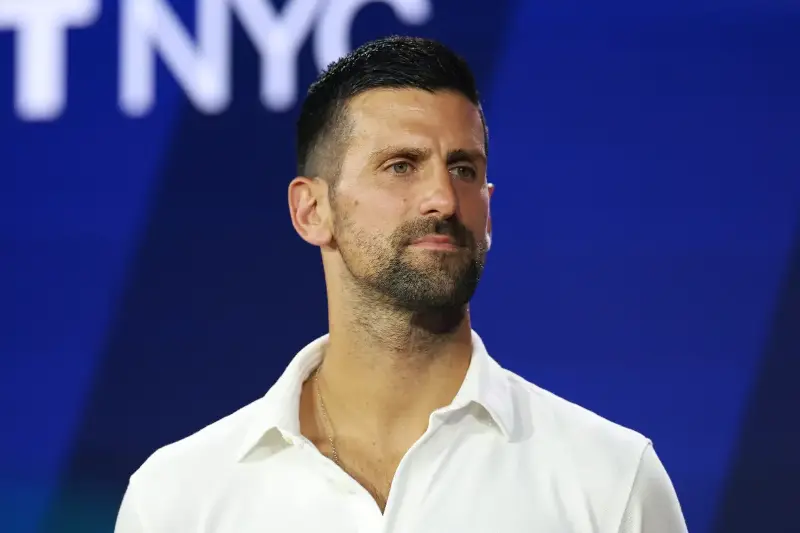
Meanwhile, Novak Djokovic's decision to bypass the Montreal Masters comes as little surprise to long-time tennis observers. At thirty-nine years old, the twenty-four-time Grand Slam champion has adopted a highly disciplined and selective tournament strategy to manage his physical durability at this advanced stage of his storied career.
Rather than competing in a full slate of tour events, the Serbian icon has tightly limited his competitive appearances outside of the four Grand Slam tournaments. Earlier in the year, Djokovic competed in only two Masters 1000 events, choosing to play strictly at Indian Wells and the Rome Masters. By rationing his energy, Djokovic aims to ensure that his body is in peak condition when entering the sport's biggest major arenas.
Cincinnati Serves As Preferred Hard-Court Preparation
The Canadian Open is far from the only high-caliber event grappling with late line-up changes. For both Sinner and Djokovic, the upcoming Cincinnati Masters is viewed as a far more strategic ramp-up tournament to build match sharpness immediately preceding the final Grand Slam of the season at the US Open.
By bypassing Montreal in favor of Cincinnati, both players aim to avoid back-to-back weeks of grueling hard-court competition while still securing sufficient court time to adapt to North American hard-court conditions. This targeted preparation strategy reflects how modern champions build their calendars around peak performance at Flushing Meadows.
Growing Calendar Concerns For ATP Tour Organizers
The recurring withdrawal of marquee stars underlines the broader challenges facing the Canadian Open and the ATP Tour structure as a whole. Even after tournament directors expanded the event to a twelve-day format and widened the scheduling gap following the grass-court season from two weeks to three, the extra rest period proved insufficient to retain top-tier talent.
Organizers have expressed frustration that flagship ATP Masters 1000 events are increasingly vulnerable to star absences. However, the trend demonstrates an unmistakable reality in modern tennis: elite players are prioritizing physical longevity and Grand Slam ambitions above all else. As players continue to voice criticism over an increasingly congested tour calendar, finding a balance between compelling tournament fields and athlete welfare remains one of the sport's most pressing dilemmas.