



Smartwatches have transformed into tiny health companions that sit on our wrists all day—quietly counting steps, tracking sleep patterns, monitoring heart rates, and buzzing with daily reminders. For many people, these wearable devices turn vague intentions like "move more" or "sleep better" into clear, visible habits.
Yet, the same device can also interrupt meaningful conversations, fuel anxiety about body metrics, and make downtime feel surprisingly unhelpful. Their true value depends on what they measure, how accurately they measure it, and how you respond to the information.
What Smartwatches Do Exceptionally Well
One of the clearest benefits of a smartwatch is movement tracking. While step counts are not a complete measure of fitness, they offer a simple, highly motivating guide for everyday physical activity.
- Rethinking the 10,000-step goal: The popular 10,000-step daily target began as a marketing concept rather than a medical rule. Modern research shows that significant health benefits appear much earlier—a major 2023 study in the European Journal of Preventive Cardiology linked roughly 4,000 daily steps with a noticeably lower risk of mortality, with benefits continuing to rise as movement increases.
- Accurate workout feedback: Heart rate monitoring helps you see whether you are training gently, moderately, or vigorously. Seeing positive trends in resting heart rate, walking pace, or workout duration offers genuine encouragement.
- Encouraging regular movement: Automated prompts to stand, stretch, or breathe break up long periods of sitting, helping reduce stiffness and refreshing mental focus throughout the workday.
The Promise and Limits of Health Alerts
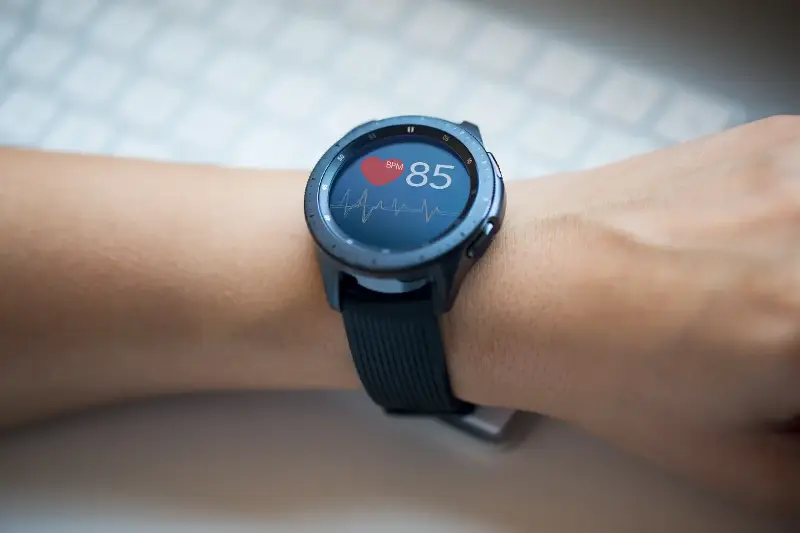
Modern wearables can flag unusual heart rhythms, estimate blood oxygen levels, track temperature changes, and provide notifications about sleep disturbances.
- Early warning signals: Smartwatch alerts have helped users identify irregular heart rhythms such as atrial fibrillation, encouraging them to seek professional medical advice early.
- Understanding sensor limitations: Wearable sensors rely on algorithms that can make mistakes due to motion, skin contact, or low battery. A false alarm can cause unnecessary worry, while a normal reading should never replace professional medical judgment if you feel unwell.
- Varying metric accuracy: Step counting and heart rate readings during steady activity are highly reliable. However, calorie estimations and detailed sleep-stage breakdowns are far less precise than clinical tests.
When Health Tracking Becomes a Stressor
For some users, continuous health data feels empowering; for others, it can become mentally exhausting.
- The orthosomnia trap: Obsessively checking sleep scores can create a phenomenon known as orthosomnia—an unhealthy fixation on achieving perfect sleep data. Waking up feeling rested matters far more than an arbitrary score.
- Managing digital interruptions: Constant notifications, news alerts, and messages directly on your wrist can break concentration and keep your mind in state of perpetual anticipation.
- Setting healthy boundaries: Turn off non-essential notifications, set realistic daily targets, and check your health metrics only once or twice a day to preserve peace of mind.
Using Wearables in a Healthier Way
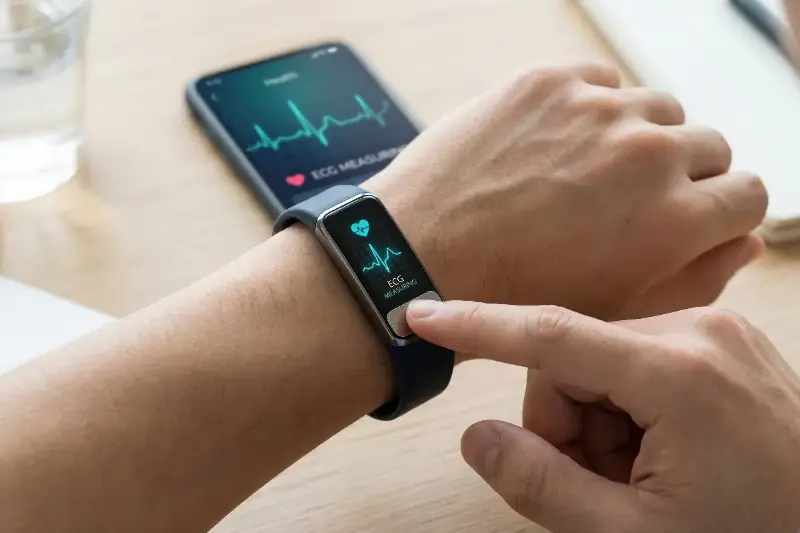
A smartwatch works best when it supports your personal goals rather than letting an algorithm set them for you.
- Focus on long-term trends: Look at patterns over several days or weeks rather than stressing over a single unusual reading, which could simply be caused by temporary stress, dehydration, or a busy day.
- Protect your personal data: Review app privacy settings, manage data-sharing permissions, and secure your account with strong passwords and two-factor authentication.
Ultimately, smartwatches can genuinely support healthier routines by making positive choices easier to notice. The most helpful wearable is not the one that generates the most data, but the one that empowers you to move more, rest deeply, and live intentionally.