


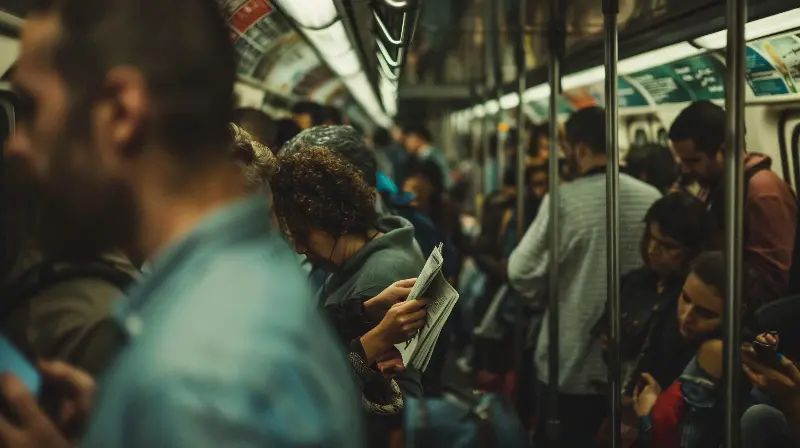
With commuters crammed shoulder to shoulder on trains, city rents creeping higher, and the pulse of urban life always in overdrive, the thought of packing up and heading for the countryside has never seemed more inviting. Movies and social media often paint country living as idyllic—a patchwork of green fields, birdsong, and stress-free days. But is life beyond the city limits truly a dream come true, or does the reality come with unexpected challenges?
THE ALLURE OF THE RURAL ESCAPE
There’s something universally romantic about swapping city chaos for the countryside’s peace. For many, the draw includes affordable housing, personal space, and a stronger sense of community. According to recent studies, nearly one in five people in developed countries dream about trading their urban flats for rural homesteads.
Nature is, of course, the main attraction:
- Environmental Benefits: Clean air, starry skies, and the soothing sounds of wind instead of sirens and traffic.
- Health and Wellness: Many who move cite massive improvements in mental and physical health. Exposure to green spaces is scientifically linked to lower blood pressure and decreased stress levels.
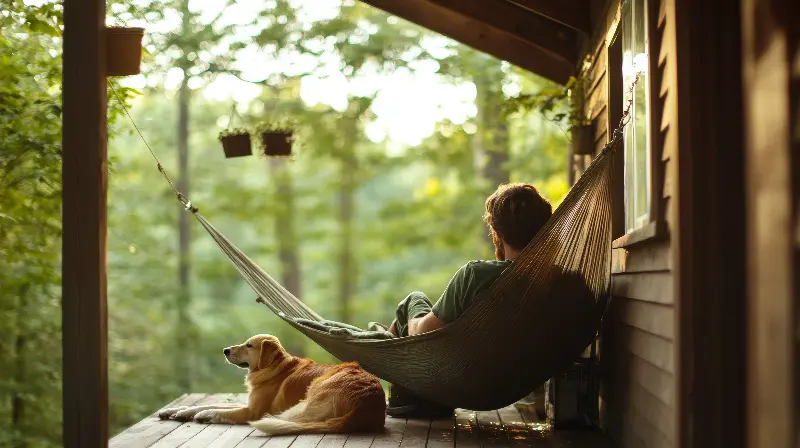
- A Different Tempo: Time moves differently when you’re enjoying a quiet evening on a porch or taking a leisurely walk through open fields.
For parents, the countryside presents a safer, slower environment for children to grow up in, far from the distractions and dangers of city streets. It offers a childhood rooted in the outdoors rather than the digital glow of urban living.
COMMON CHALLENGES FACED BY NEWCOMERS
However, the shift from city to country isn’t without its bumps. One of the most commonly reported surprises is the lack of conveniences many urban dwellers take for granted. In the city, everything is a five-minute walk away; in the country, grocery stores, hospitals, and schools might be miles apart.
Key hurdles often include:
- Essential Transport: Having a car is usually non-negotiable. Public transport is often sporadic or entirely non-existent in remote areas.
- Social Exposure: In smaller communities, everyone tends to know one another. While this creates a sense of belonging, it can also lead to a lack of privacy. Gossip spreads quickly, and the anonymity of the city disappears.
- Digital Connectivity: High-speed internet—a must-have for today’s working professionals—remains patchy in many rural regions. Before making the leap, checking broadband availability is a critical step for anyone planning to work remotely.

ECONOMIC OPPORTUNITIES AND LIFESTYLE CHANGES
Employment is a significant question for anyone moving to the countryside. While remote working has made this shift more feasible for many roles, traditional rural economies still center around agriculture, local crafts, and essential services. This transition often opens doors to:
- Entrepreneurship: Many find the space and lower overheads needed to launch a new business.
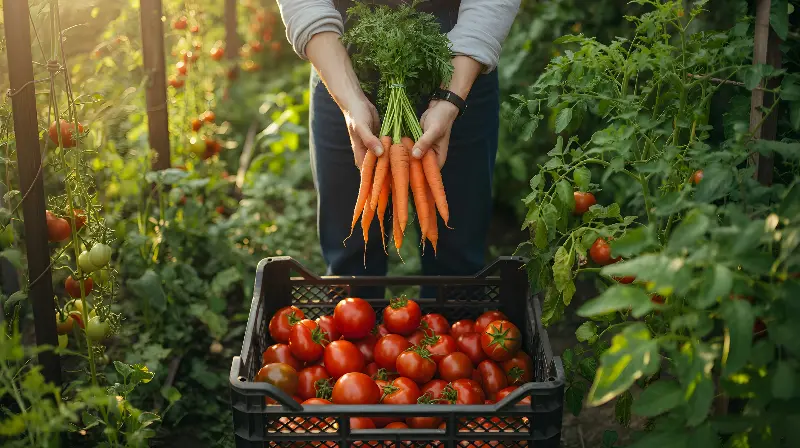
- Manual Skills: Embracing country living often requires learning how to grow vegetables, repair fences, or manage a wood stove during winter.
- Volunteerism: Rural communities are known for vibrant local traditions and festivals, where getting involved is the best way to build lasting relationships.
A slower pace doesn't necessarily mean less to do; it simply means the activities are more hands-on and communal. While entertainment options like theaters and high-end restaurants are fewer, they are replaced by seasonal fairs and nature-based recreation.
MAKING THE MOVE: TIPS FOR A SMOOTH TRANSITION
If the call of the countryside is too strong to resist, planning ahead will help ensure your dream doesn’t turn into a struggle. Experts suggest a few practical strategies for a successful transition:
- Seasonal Reconnaissance: Visit the area in different seasons—especially winter—before buying. A village that looks charming in the summer sun may feel isolated and bleak in February.
- Local Dialogue: Talk to locals about daily life. Most will offer unfiltered, practical advice about everything from the best local mechanic to the reliability of the power grid.
- Financial Realism: Be realistic about the costs of maintaining older rural properties. Renovations in remote areas can be more expensive due to travel costs for specialized tradespeople.
- Community Integration: Join local forums or social media groups early. This eases your entrance into local life and keeps you updated on regional issues.

EMBRACING THE ADVENTURE
Ultimately, moving to the countryside isn’t just about escaping something—it’s about embracing something new. For those willing to trade convenience for community and noise for nature, rural life offers a rich, rewarding tapestry of challenges and joys.
Try to keep an open mind and a flexible attitude. Each village, county, or region is unique. Embracing rural living may mean letting go of certain city comforts, but in their place, you gain a profound connection to the land and a quieter, more intentional way of being. The dream is real, but so is the adventure.