



We love our pets, and the bond we share with them often feels like pure magic. But have you ever wondered who's truly in charge at home? Many pet owners are surprised to learn that, in the human-animal relationship, we sometimes lose our natural leadership role without even noticing.
From cuddly kittens to wagging dogs and chirpy parrots, pets are experts at training their humans—and not always for the best. Understanding the subtle psychological dynamics at play can make all the difference in building a balanced relationship. Here are five surprising mistakes that might be handing the reins to your furry companion.
The Treat Trap: When Rewards Become Bribes
It’s common to use treats as positive reinforcement for good behavior. The psychology behind treat training is solid: animals quickly learn to repeat behaviors that earn them rewards. However, this system often flips through a process called negotiation.
Some pets become little negotiators, withholding obedience until a treat is offered first. Suddenly, you’re no longer rewarding good behavior—you’re pleading for it.
- The Sign: If your dog refuses to "Sit" unless you show the biscuit first, he has conditioned you to pay up before he performs.
- The Fix: Mix up your rewards. Use praise, petting, or a favorite toy so treats aren't the only incentive.

Mixed Messages: The Confusing Language Of Love
Humans are naturally expressive, but our emotional complexity can baffle our pets. Dogs and cats pay close attention to tone, timing, and body language. Saying “No” in a soft, ambiguous way—or using it interchangeably with commands like “Down” or “Off”—muddles the message.
This inconsistency can cause anxiety or encourage disobedience, as pets struggle to interpret what we actually want.
- Clear Cues: Use short, distinct words.
- Consistency: Ensure every member of the household uses the same commands to avoid "linguistic chaos" for your pet.
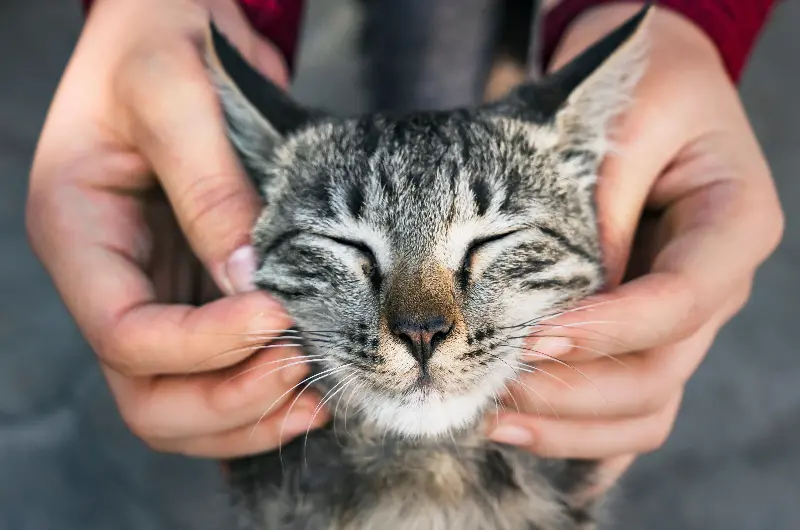
Too Much Freedom: The Myth Of Unconditional Liberty
It’s easy to let pets overrule household rules in the spirit of love. Allowing a cat to knock over glasses or a puppy to chew furniture may seem harmless, but experts stress that healthy boundaries are essential for pet well-being.
Surprisingly, behavioral studies show that structure helps animals feel secure. They instinctively seek out predictability and hierarchy. Failing to establish limits can create:
- Anxious behaviors (because the pet feels they must protect the home).
- Demanding or aggressive tendencies (due to a lack of guidance).
- General stress (from a lack of a "safe" routine).

Anthropomorphizing: Projecting Human Emotions On Pets
One of the sweetest aspects of pet ownership is seeing animals as "little humans." However, pet psychology cautions against over-anthropomorphizing. Assuming your dog is "jealous" or your cat is acting out of "spite" leads to misinterpretation of their real needs.
Most often, what looks like complex human emotion is an instinctive response. For instance, a dog destroying shoes isn’t being vindictive; he might be stressed, bored, or teething. Interpreting animal behavior through a human lens risks addressing the wrong problem. Instead, focus on the natural drives and communication styles of your pet’s species.

Letting Routine Slip: The Power Of Predictable Structure
Busy 2026 lives can play havoc with routines, and pets are the first to notice. Inconsistent meal times or walks leave pets unsure of what to expect, which may encourage them to "push" boundaries to get your attention.
Research in animal behavior highlights that routines foster comfort:
- Confidence: Pets who know when food and play are coming are less likely to beg or act out.
- Leadership: Consistency reinforces your role as the provider and decision-maker.
- Calmness: A steadfast routine makes your leadership clear and comforting rather than confusing.