


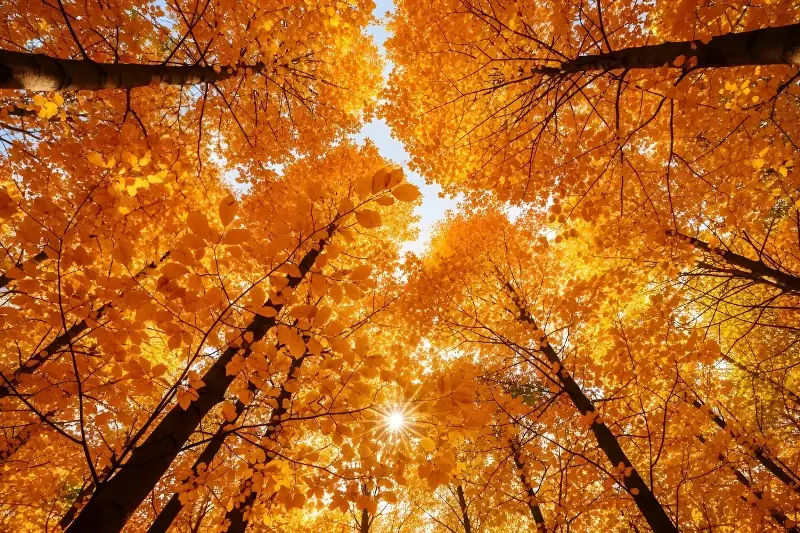
Each autumn, forests and city streets undergo a dramatic transformation. Green canopies shift into brilliant mosaics of red, orange, yellow, and gold before leaves gently drift to the ground. This annual display is far more than nature decorating for the season—it is the visible result of a carefully timed survival strategy shaped by light, temperature, water, and complex plant chemistry.
During spring and summer, leaves function like solar panels. Their primary green pigment, chlorophyll, captures sunlight to convert carbon dioxide and water into energy through photosynthesis. These sugars fuel tree growth, fruit production, and winter energy storage. But as days shorten and temperatures fall, broadleaf trees prepare for a period when maintaining leaves becomes inefficient.
The Fading of Green Chlorophyll
Chlorophyll is so abundant during the growing season that it masks all other pigments inside the leaf. However, chlorophyll is fragile and must be constantly replaced—a process that requires ample sunlight, warmth, and water.
As autumn approaches, trees receive a powerful seasonal signal from shorter daylight hours:
- Production Slows: Trees gradually stop manufacturing new chlorophyll.
- Pigments Disappear: Existing chlorophyll molecules break down, revealing other pigments that were present all along.
- Nutrient Recycling: Before a leaf drops, the tree recovers valuable nutrients—like nitrogen and phosphorus—transporting them into branches, trunks, and roots for winter storage.
This fading green color marks the beginning of an incredibly efficient natural recycling system.
Why Yellow and Orange Appear
The golden yellow and vibrant orange shades of autumn are produced by carotenoids. These pigments exist inside leaves throughout the entire year, hidden beneath the dominant chlorophyll layer. Carotenoids include yellow xanthophylls and orange carotenes—the same natural substances found in carrots, pumpkins, and corn.
In summer, carotenoids protect leaves from excess sunlight that could otherwise damage photosynthetic tissues. When chlorophyll breaks down in autumn, carotenoids finally become visible:
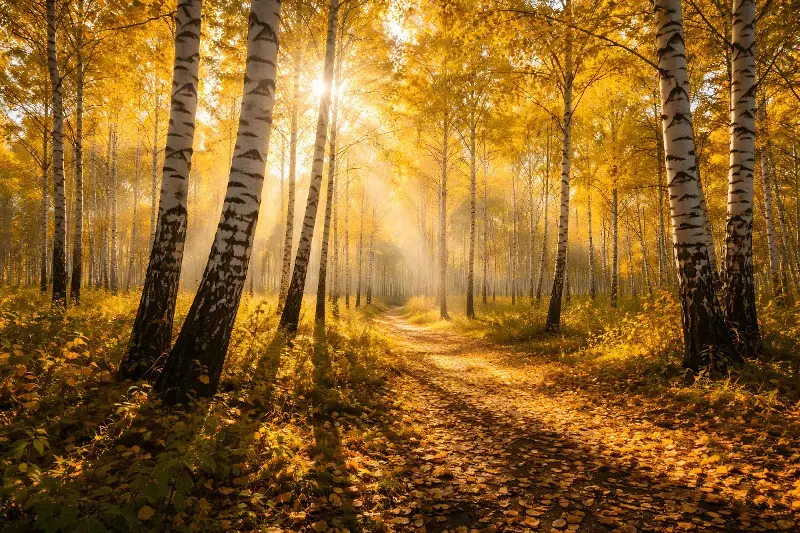
- Reliable Display: Trees like birches, aspens, beeches, and many maples consistently produce striking yellow or gold foliage because these pigments are already present in the leaf.
- Weather Influence: Bright, sunny autumn days enhance visual contrast, whereas heavy rain or early hard frosts can knock leaves down before their colors peak.
The Special Chemistry Behind Red Leaves
Unlike yellow and orange tones, brilliant red, crimson, and deep purple colors come from a completely different group of pigments called anthocyanins. These pigments are manufactured specifically in autumn when sugars become trapped inside the leaf as its connection to the branch begins to close.
Scientists believe anthocyanins serve vital protective functions during seasonal transitions:
- Natural Sunscreen: They protect delicate leaf tissues from intense sunlight while the tree recovers remaining nutrients.
- Stress Management: They reduce oxidative damage, helping leaves handle chilly, variable weather.
Red leaf color is strongest after a combination of sunny autumn days (which boost sugar production) and cool, non-freezing nights (which slow the movement of sugar out of the leaf). This chemistry drives the brilliant fall displays seen in red maples, sumacs, dogwoods, and sweetgums.
Weather Creates the Yearly Variation
No two autumns look identical because color intensity depends on delicate weather balances:
- Ideal Conditions: Warm, moist summers followed by bright, sunny fall days and crisp, cool nights produce the most vivid colors.
- Drought Effects: Severe drought stresses trees, causing leaf edges to brown and drop prematurely.
- Temperature Factors: Cool nights support color formation, but hard freezes damage leaf cells, ending the display early.

A Final Act of Preparation
The brilliant colors of autumn mark a tree's transition into winter dormancy. At the base of each leaf stalk, a specialized abscission layer forms, gradually sealing off the flow of water and nutrients. Eventually, gentle winds release the leaf from the branch.
Once fallen, leaves protect soil from erosion, shelter overwintering wildlife, and decompose into rich nutrients for future spring growth. Autumn foliage is a magnificent testament to nature’s cycles—reflecting the perfect balance of light, chemistry, and environmental adaptability.