



Have you ever had a “gut feeling” about a person, a decision, or a situation—something you couldn’t quite explain but simply felt to be right or wrong? Science now confirms that this common experience isn’t just a myth or wishful thinking. The mysterious link between your brain and your digestive system plays a far greater role in your judgements and behaviors than you might expect. Let’s explore the fascinating science of the brain-gut connection and discover when—and why—your instincts may well outsmart careful reasoning.
THE COMPLEX WORLD OF THE BRAIN AND GUT
The human body operates through an intricate communication network, and few connections are as surprising as the one between your brain and your gut. Often called the “second brain”, the gut houses over 100 million nerve cells—more than the spinal cord. These neurons form the enteric nervous system (ENS), which works both independently and in constant contact with your brain.
The Vagus nerve, the longest cranial nerve, acts as the main highway between your gut and your brain. This pathway allows for a two-way conversation:
- Gut to Brain: Signals about hunger, anxiety, or contentment.
- Brain to Gut: Influences on digestion and physical comfort.
This real-time dialogue shapes your mood, decision-making, and even your risk-taking behaviors. Remarkably, up to 90% of your body’s serotonin—the “feel-good” neurotransmitter—is produced in the intestines.
THE SCIENCE OF INTUITIVE INSTINCT
When people speak of "going with your gut", they are referring to affective intuition. This is a powerful, non-conscious information processing system influenced by emotional responses and past experiences.
Research shows that gut-driven decisions are often far from reckless. In scenarios where time is limited or information is incomplete, intuition can lead to optimal outcomes. Our brains are wired for quick judgments that draw on learned patterns, many of which are registered in the gut’s neural circuits long before our conscious mind catches up.
A staple of this research is the Iowa Gambling Task. In this experiment, participants’ hands began sweating—a physical "gut" response—when reaching for a risky deck of cards before they could consciously explain the danger. Those who trusted this bodily instinct consistently outperformed those who ignored it.

WHEN INSTINCT OUTSHINES REASON
There are certain situations where your gut instinct reliably trumps slow, careful reasoning. This typically occurs when:
- Speed is Critical: Your gut can synthesize complex sensory information in a split second.
- Ambiguity is High: When facts are missing, your brain weighs past emotional experiences to fill the gap.
- Expertise is Involved: Experts in sports or medicine often make snap judgements because their brains recognize patterns signaled by subtle physical reactions.
It’s not about ignoring logic, but learning when to lean into intuition. Chess grandmasters often "see" the best move without overthinking, and firefighters sense hidden dangers through years of experience registered in their instincts.
THE LIMITS AND PITFALLS OF INTUITIVE JUDGMENT
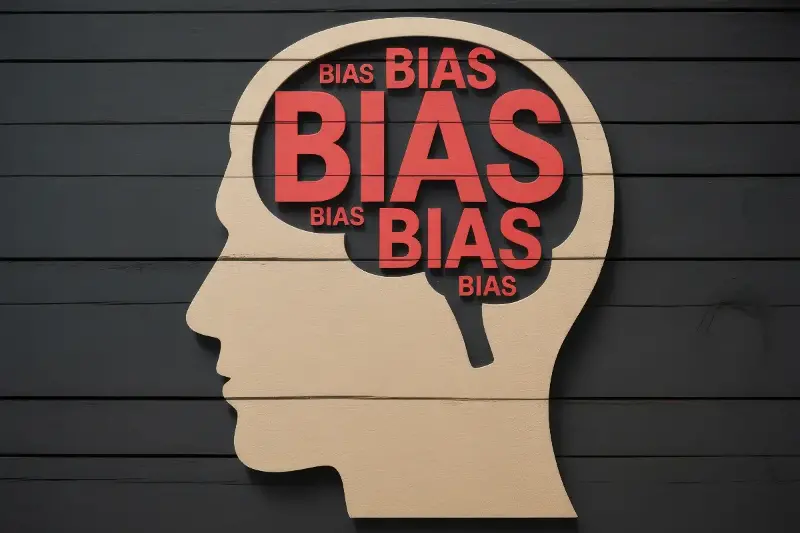
Of course, the gut is not infallible. Bias, past trauma, or high anxiety can color gut feelings and make them unreliable guides. The human mind is prone to pattern-recognition errors—seeing connections where none exist—which can lead to costly mistakes.
The key is to develop “calibrated intuition”: knowing when your instincts are based on relevant experience versus when they are influenced by unrelated emotions. In high-stakes situations, intuitive decisions should ideally be paired with reflection.
STRENGTHENING YOUR BRAIN-GUT CONNECTION
If you want to harness the power of your brain-gut axis, consider these science-backed strategies:
- Prioritize Gut Health: Probiotics and a balanced diet keep your enteric nervous system in top shape.
- Notice Bodily Cues: Pay attention to physical sensations (tightness, "butterflies") that arise during decisions.
- Practice Mindfulness: Being present increases your awareness of subtle signals from the Vagus nerve.
- Reflect on Outcomes: Track when your instincts were right and when they led you astray to help "calibrate" your future feelings.
In the end, trusting your gut is about blending the wisdom of your body with the logic of your mind. Sometimes, your best guide really is that inexplicable feeling deep inside.