


Independence is one of the most valuable skills a young child can develop. From putting toys away to choosing clothes, small acts of self-direction build confidence, coordination, problem-solving ability, and a sense of belonging in family life. Yet well-meaning adults can accidentally make children less active by teaching independence in ways that feel too difficult, too controlled, or simply unnecessary.
Children are naturally motivated to try. A toddler who insists on holding a spoon or a preschooler who wants to zip a jacket is not trying to slow everyone down—they are practising important developmental skills. The goal is not to expect children to manage everything alone, but to offer support that gradually decreases as their abilities grow.
Doing Everything Because It Is Faster
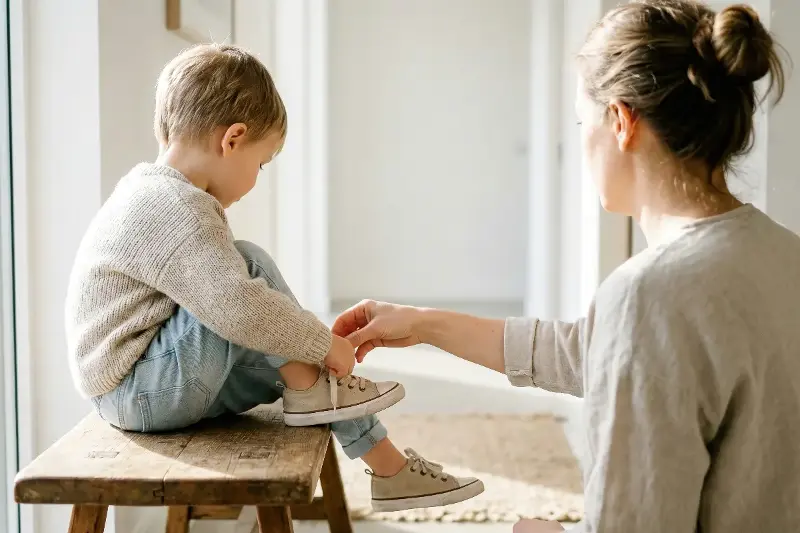
Morning routines can test any parent's patience. It is often quicker to put on a child's shoes, pour the milk, carry the backpack, and tidy the toys yourself. However, when adults routinely take over tasks a child can partly manage, the child receives an unintended message: you are not capable.
Children need repeated practice to become efficient. Those slow attempts strengthen hand muscles, planning skills, persistence, and confidence.
A practical solution is to build extra time into predictable routines:
-
Start earlier: Invite a child to begin getting dressed ten minutes before leaving.
-
Share the load: Help only with the difficult final step.
-
Encourage effort: Instead of taking over, say, "You begin, and I will help if you get stuck."
Offering Choices That Are Too Big
Choice can be empowering, but too much choice can leave young children overwhelmed and inactive. Asking broad questions requires many decisions about comfort, matching, and occasion, causing a child to freeze or delay.
Young children benefit most from limited, meaningful choices, often called guided choice:
-
"Would you like the red jumper or the blue jumper?"
-
"Do you want to brush your teeth before or after putting on pyjamas?"
This approach respects a child's growing autonomy while recognising that executive function skills are still developing. The child feels capable because the options remain manageable.
Correcting Every Imperfect Attempt
A child who folds a towel unevenly, spreads jam too thickly, or puts blocks in the wrong basket is still learning. Constant correction can make everyday tasks feel like tests. Over time, some children stop trying because they expect criticism or assume an adult will redo their work anyway.
Perfection is not the purpose of early independence—participation is.
Notice effort before outcome by making encouraging observations:
-
"You carried the cups so carefully."
-
"You kept trying until the zip moved."
If something genuinely needs changing, keep the correction calm and specific. Avoid taking over unless safety or hygiene is involved.
Making Help Feel Like Failure
Independence does not mean never needing help. Children become less willing to act if they believe asking for support means they have failed. Development is naturally uneven; a child may confidently pour water one day and spill it the next when tired, unwell, or rushed.
A healthier message is that capable people know when to ask for help. Adults can support this mindset through layered assistance:
-
Hold the coat while the child finds the sleeve.
-
Start a tricky zip so they can finish it independently.
-
Stay nearby as a reassuring presence while they attempt a new task.
Using Independence as a Reward or Punishment
Sometimes adults remove opportunities to help when children misbehave, or treat ordinary responsibilities as special rewards. Both patterns make independence seem conditional rather than a normal part of growing up.
Children benefit from regular, age-appropriate responsibilities:
-
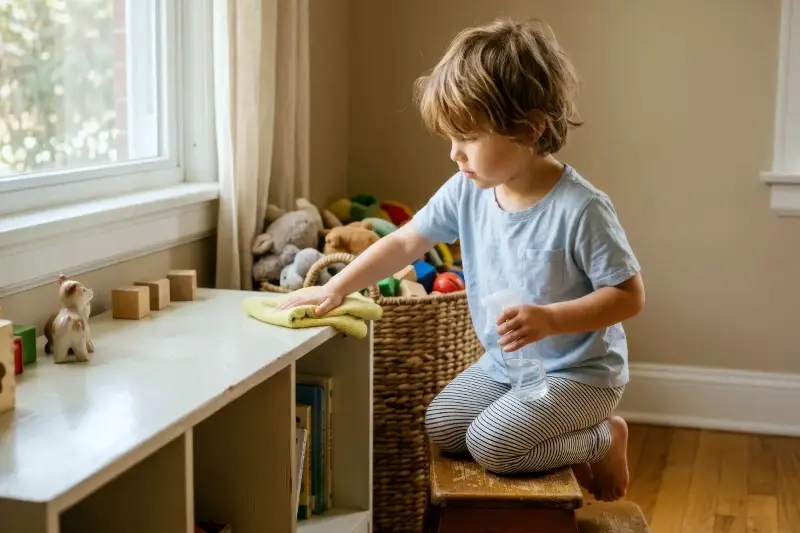
Toddlers: Put books in a basket, wipe small spills with help, or carry socks to the laundry.
-
Preschoolers: Feed a family pet with supervision, match clean socks, or help prepare simple snacks.
When adults establish that everyone contributes, children learn that their actions have real value.

Creating Space for Real Practice
The most successful independence teaching is usually quiet and ordinary. It happens when a child can reach a low coat hook, use a small cup, keep toys in clearly labelled baskets, and follow a simple routine. An environment thoughtfully designed for children encourages far more activity than repeated verbal reminders.
It also helps to accept that learning can be messy. Water may spill, shoes may go on the wrong feet, and a child's help may initially create extra work. These moments are temporary, while the confidence gained can last a lifetime. When adults step back thoughtfully, welcome imperfect efforts, and provide support without shame, children become active, joyful participants in their own lives.