


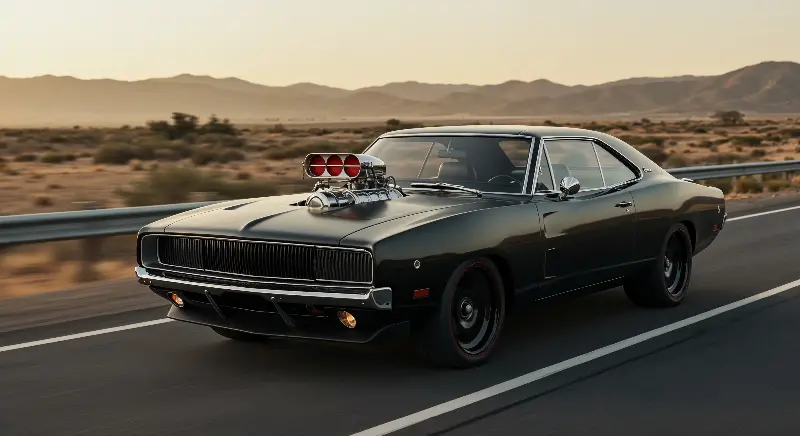
There’s something undeniably thrilling about the thundering growl of a well-tuned car engine. Even as the world moves rapidly towards electric vehicles—machines praised for their whisper-quiet operation—many enthusiasts find themselves drawn to the roar and rumble of combustion engines.
This persistent craving for automotive noise might seem counterintuitive in an age of calm and quiet, but a closer look reveals there’s much more to our love for engine sound than meets the ear. It is a complex blend of neurology, craftsmanship, and a deep-seated cultural identity that refuses to go silent.
The Emotional Heartbeat Of Driving
At its core, the sound of a car’s engine isn’t just noise—it’s emotion. When you hear the sharp bark of a sporty V8 or the high-pitched wail of a classic V12, it evokes a visceral, almost primal response.
- Biological Impact: These sounds can trigger an adrenaline spike, making your heart race and your palms sweat even if you’re just a spectator.
- The Flow State: Automotive sound connects us to the machine in an instinctual way. The rise and fall of revs under your right foot provides a "mechanical heartbeat" that makes the driving experience immersive.
- A Sensory Language: The throaty upshift and the snap-crackle on overrun form a symphony that tells you exactly what the car is feeling. It’s a dialogue between driver and vehicle that goes far beyond the digital numbers on a speedometer.

A Symphony Of Precision Craftsmanship
Engine sound is no accident—it’s the result of meticulous acoustic engineering. Over the decades, manufacturers have treated exhaust systems like musical instruments, tuning intake designs to create distinct auditory "personalities."
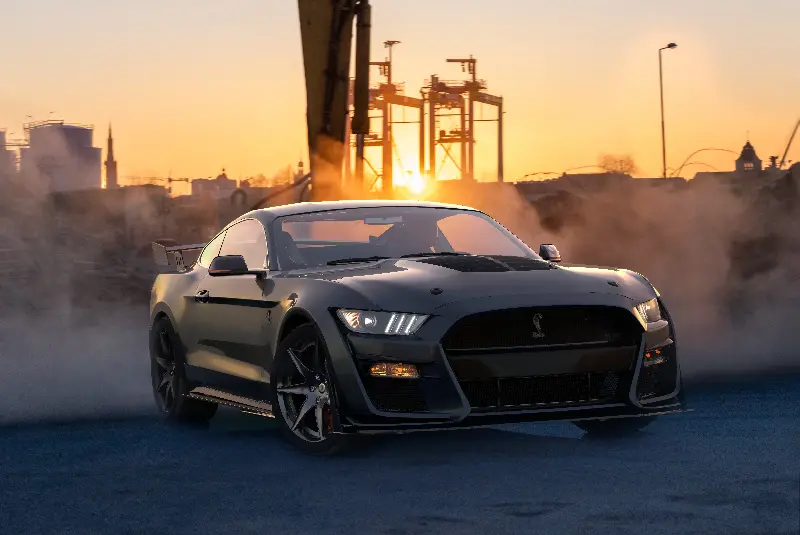
Whether it is the mechanical "sawing" rasp of a Porsche Flat-6, the low-frequency "burble" of a Mustang V8, or the high-pitched "screamer" of an exotic V12, each note is a signature. Engineers spend thousands of hours tuning exhaust notes because a car’s "voice" is often its most memorable feature. For many, the appreciation of this craftsmanship runs deep, connecting car lovers across generations through a shared appreciation for mechanical art.
Engine Sound As A Social Experience
The roar of an engine is also a shared experience. Whether at a local parking lot gathering or a professional track day, the soundtrack of revving motors acts as a social glue.
- Community Bonds: These sounds represent moments of pride, creating instant connections between strangers who appreciate the same auditory thrill.
- Auditory Storytelling: People swap stories about their favorite-sounding machines, arguing over which exhaust tone reigns supreme.
- Collective Celebration: In this subculture, the noise isn't an annoyance; it's a signal of presence and a celebration of mechanical life.

Why Silence Feels So Strange
Electric vehicles (EVs) are marvels of modern engineering, offering instant torque and a peaceful, nearly silent cabin. But for many drivers, this very silence feels alien.
The absence of mechanical feedback can make the driving experience feel sterile or disconnected. While the quiet of electric cars is objectively beneficial for reducing city noise pollution, it removes the sensory feedback that helps a driver feel in control. On a winding mountain road, the sound of the engine acts as an auditory tachometer, letting the driver know when to push and when to pull back without ever glancing at the dashboard.

Sound Engineering In The Age Of Electricity
Automakers recognize that the emotional link to sound is too powerful to ignore. As we navigate 2026, brands are employing complex digital sound synthesis to fill the silence.
- Artificial Feedback: Many EVs now play simulated "engine" sounds through internal and external speakers to provide a sense of speed and engagement.
- Customizable Profiles: Some models allow drivers to choose between "Futuristic", "Sport", or "Heritage" soundtracks.
- The Identity Crisis: While purists argue that digital noise can never replace the physical vibration of a piston, the effort shows that the auditory experience remains central to car culture.

An Enduring Fascination
In the end, our craving for the roar of engines is about more than decibels. It’s about art, passion, and the engineering marvels that move us—literally and figuratively.
The world may be on a journey toward greater silence, but for many, there will always be a special place in the heart for the symphony of valves and exhausts working in harmony. The memory—and the reality—of a roaring engine will continue to fuel enthusiasm for generations to come.