


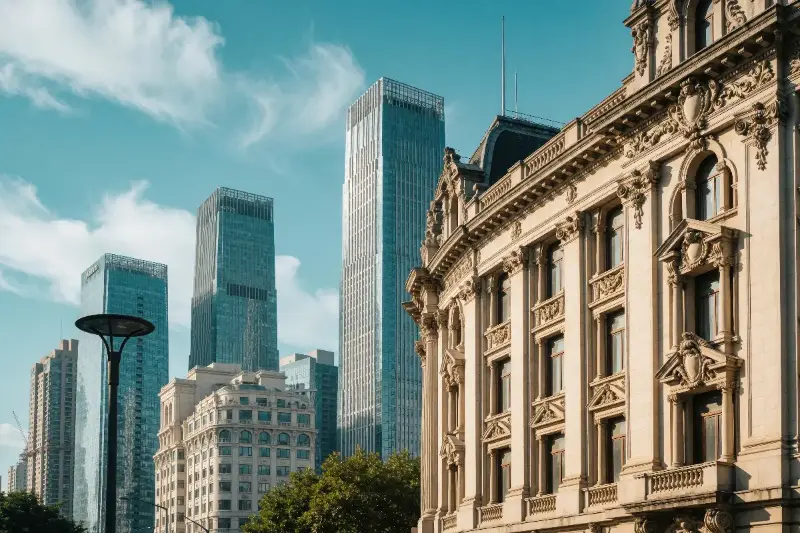
Cities are often defined by their soaring skylines, but their true character reveals itself at street level—where centuries of architecture stand side-by-side. A sleek glass office tower reflects the stone façade of a former railway station, while modern apartments rise gracefully behind Victorian townhouses. This dynamic meeting of old and new creates an urban landscape that feels both deeply rooted and forward-looking.
Heritage structures do far more than provide attractive backdrops. They offer tangible evidence of local craftsmanship, social history, and civic life. Their preservation gives fast-growing cities a vital sense of continuity, while thoughtfully designed modern additions deliver the housing, workplaces, and public spaces growing populations require.
Why Old Buildings Still Matter
Historic buildings make cities memorable. Their proportions, intricate details, and authentic materials tell stories about the technology and values of the era in which they were constructed:
-
Cultural Transformations: In London, the former Bankside Power Station was reimagined as the Tate Modern. Its massive brick exterior remains central to its identity, while the interior offers dramatic gallery spaces that turned industrial architecture into a major cultural asset.
-
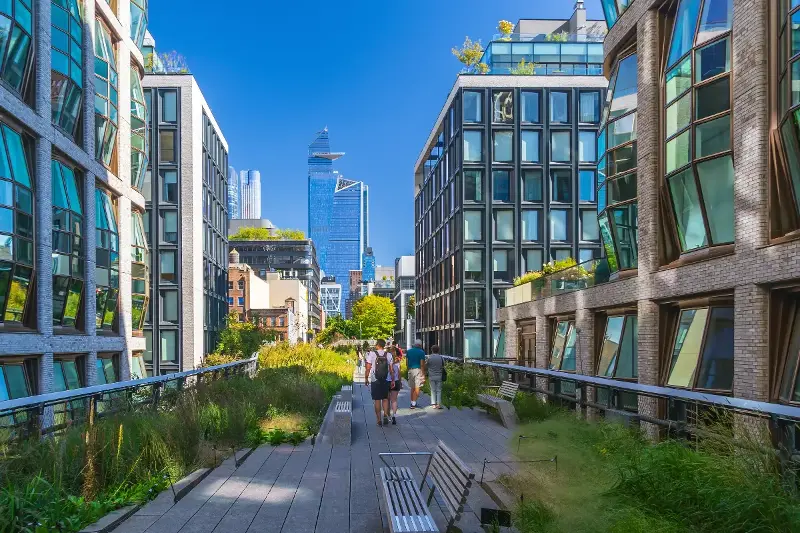
Revitalized Infrastructure: In New York, the High Line converted an elevated 1930s freight railway into a thriving public park. Native plantings, walking paths, and art installations run above Manhattan's streets, sparking a global appreciation for repurposed urban infrastructure.
-
Sense of Place: Historic structures provide visual anchors, ensuring expanding districts feel connected to a rich, layered history rather than appearing built overnight.
The Skyline as a Conversation
A compelling skyline is rarely built from a single era. Striking architectural contrasts, when handled with care, elevate both the old and the new. Sharp, modern lines emphasize the rich textures of historic stone and brick, while heritage buildings lend scale, warmth, and character to large new developments.
-
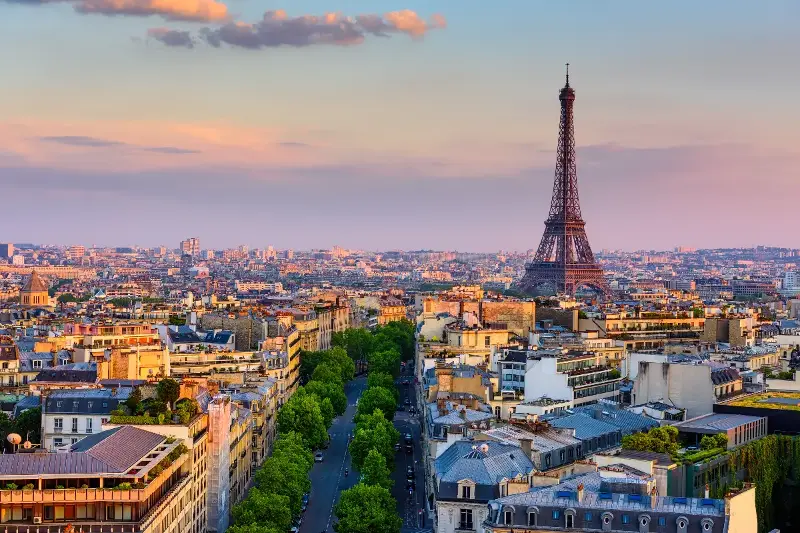
Parisian Balance: Paris protects core landmarks like the Eiffel Tower and Notre-Dame through strict height controls, while concentrating high-rise offices in the nearby La Défense business district.
-
Singaporean Shophouses: In Singapore, nineteenth-century shophouses with colorful façades sit beneath dense high-rise towers. Restored with vibrant cafés, design studios, and boutique spaces, these human-scaled streets remain active and welcoming.
Adaptive Reuse Gives Buildings a Second Life
Adaptive reuse—giving existing structures a new, creative purpose—is one of the most practical ways to protect urban heritage while serving modern needs. Demolishing large structures consumes immense energy and generates landfill waste; retaining structural frames significantly lowers environmental impact.
In Cape Town, the Zeitz Museum of Contemporary Art Africa opened inside a former grain silo. Designers carved a breathtaking central atrium from concrete storage tubes, preserving the industrial geometry while creating a world-class art space. The best adaptive reuse projects celebrate original features—like exposed timber beams and faded masonry signs—reminding visitors that a building has lived more than one life.
Designing with Respect, Not Imitation
New architecture adjacent to historic sites does not need to copy the past. Imitation can blur the line between genuinely historic elements and modern additions. A stronger approach is respectful contrast—contemporary design that honors the scale, materials, and rhythm of its surroundings:
-
Complementary Materials: Modern additions can match neighboring rooflines or reinterpret traditional brick and stone in fresh ways.
-
Transparent Elements: Glass creates clear distinctions between original and new construction while keeping historic façades fully visible.
-
Luminous Integration: The iconic Louvre Pyramid in Paris, designed by I. M. Pei, initially stirred debate but became a beloved landmark because its transparent structure keeps the surrounding historic palace visually dominant.
A Living Heritage for the Future
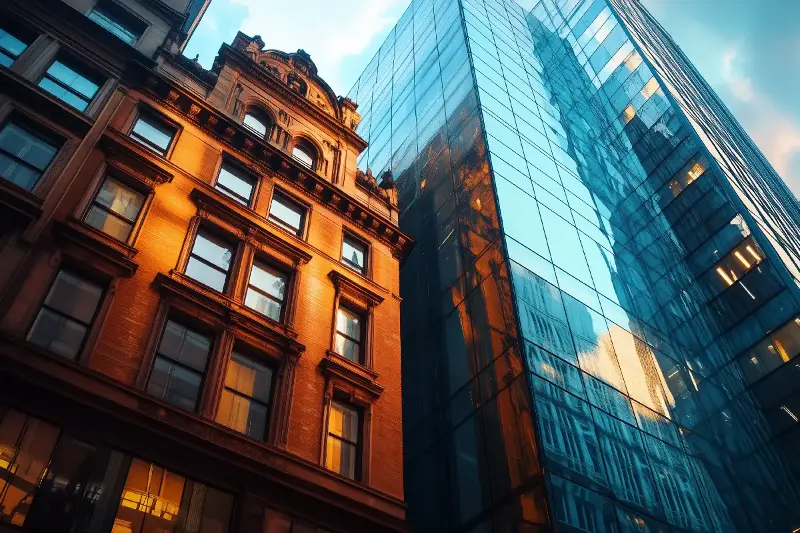
The blend of heritage buildings and modern skylines is about building cities that feel layered, functional, and inclusive. Historic sites support local culture and public life, while modern construction introduces energy efficiency, accessibility, and density. When historic soul and modern design meet with imagination, the city becomes a richer place for everyone who walks its streets.