


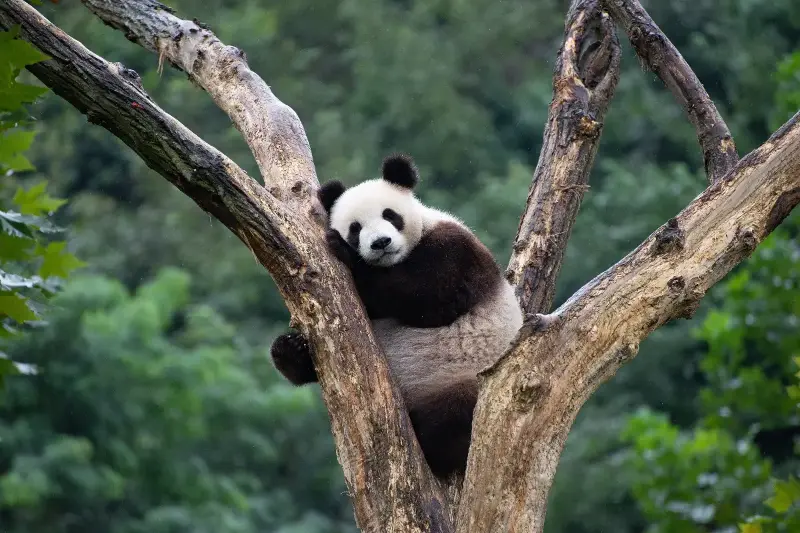
In the misty mountains of central China, a world-famous creature with a unique look and an even stranger lifestyle roams its leafy domain. The giant panda, with its bold black-and-white fur and gentle demeanor, captivates hearts globally. Yet, behind those irresistible eyes lies a fascinating world filled with surprising adaptations and playful antics that make them one of nature’s most intriguing mammals.
UNIQUE HABITATS: MISTY MOUNTAINS AND BAMBOO FORESTS
Giant pandas are native to the high-altitude regions of Sichuan, Shaanxi, and Gansu provinces. Their home is a patchwork of dense bamboo forests nestled between steep slopes and cool valleys.
- Lush Environment: These temperate forests are often shrouded in mist, creating a humid sanctuary rich in undergrowth.
- Solitary Nature: Despite their hefty size, pandas are incredibly shy. They prefer solitude, using their remarkable climbing skills to navigate steep terrain and escape threats.
- Home Ranges: Unlike territorial predators, pandas often tolerate overlaps in their home ranges, provided there is plenty of food to go around.

SURPRISING DIET: CARNIVORE TURNED BAMBOO LOVER
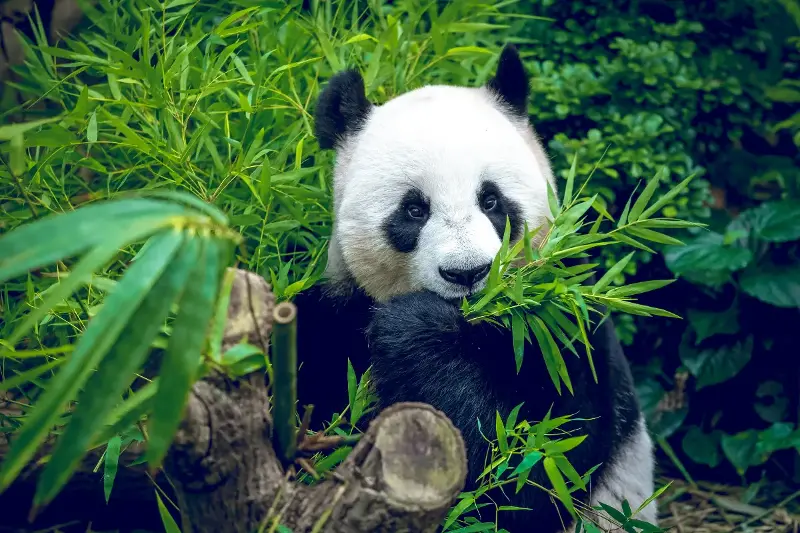
One of the most astonishing facts about the panda is its diet. Technically classified as a carnivore, this bear has abandoned meat almost entirely for a strict, fiber-rich lifestyle.
- The Bamboo Buffet: About 99 percent of a panda’s diet consists of various bamboo species. An adult panda must consume between 26 and 84 pounds of bamboo daily.
- Endless Eating: To meet their nutritional needs, pandas spend up to 14 hours each day munching away.
- Biological Quirks: Because their digestive systems are still designed for a carnivorous diet, they struggle to process tough fibers. They digest only a small fraction of what they ingest, requiring them to constantly move from one clump to the next.
PLAYFUL PERSONALITIES: MORE THAN JUST CUTE FACES
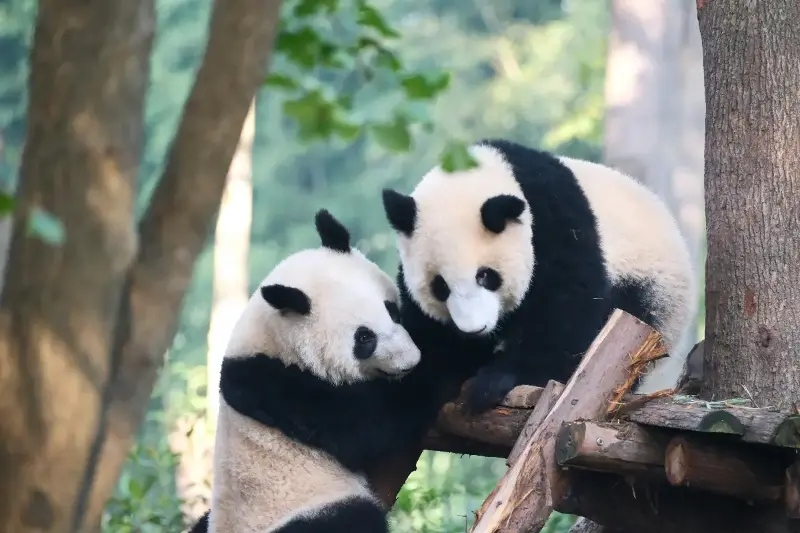
Pandas are famous for their endearing, lighthearted antics. Whether they are tumbling down snowy hills or wrestling with siblings, their playfulness serves a vital purpose.
- Developmental Play: For cubs, mock fights and climbing races are essential for developing motor skills, strength, and social bonds.
- Practical Fun: Even as adults, pandas slide down slopes or investigate new scents. These activities help them maintain coordination and explore their surroundings.
- Silent Communication: Outside of mating season, they remain solitary. They communicate primarily by leaving scent trails on trees, which helps them locate mates and avoid unwanted social encounters.
CONSERVATION SUCCESS STORIES: GUARDIANS OF THE BAMBOO FOREST
Giant pandas are the global symbol of wildlife conservation. Their journey from the brink of extinction is a testament to the power of dedicated protection.
- Improved Status: Due to sustained efforts in habitat restoration, the species was upgraded from "endangered" to "vulnerable" in 2016.
- Scientific Breakthroughs: Once considered nearly impossible to breed, pandas now benefit from advanced veterinary science and artificial insemination, leading to successful births in conservation centers worldwide.
- Ambassadors for Ecosystems: By safeguarding panda habitats, conservationists protect entire forests that support other rare species, including red pandas, golden snub-nosed monkeys, and countless unique plants.
The world of the giant panda is one of resilience, adaptation, and charm. Their misty mountain homes and boundless curiosity offer a rare, heartwarming glimpse into nature’s power to surprise and delight. As we continue to protect their domain, we ensure that these black-and-white wonders remain a part of our world for generations to come.