


Crowds dashed from trembling buildings and sirens echoed across the Pacific Rim after a powerful magnitude 8.8 earthquake struck off Russia’s remote Kamchatka Peninsula early Wednesday, local time. Fear mixed with awe as locals in Petropavlovsk-Kamchatsky, the region’s largest city, described cabinets toppling, power flickering, and phones briefly losing signal. “It was the strongest quake I’ve ever felt,” one resident said, tears in his eyes as he steadied his young daughter outside their shaken apartment block. Officials and ordinary citizens alike felt the emotional toll as evacuation sirens sent thousands away from coastal areas, uncertain what could come next.
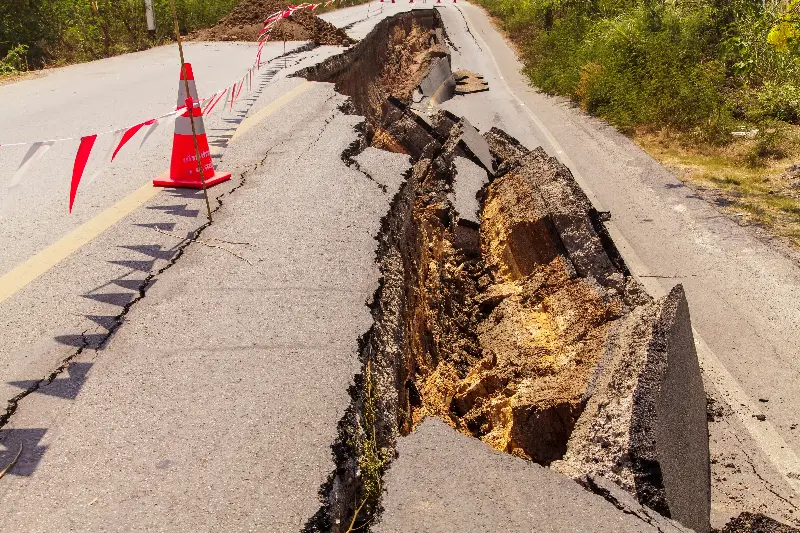
Tremors, Tsunami, and Rapid Response
Authorities around the Pacific sounded tsunami alarms from Japan to Alaska after the quake, which the US Geological Survey (USGS) registered as the world’s largest since 2011. Here are the crisis’ most important developments, each clearly sourced for accuracy and trust:
-
The earthquake struck about 85 miles (136km) east-southeast of Petropavlovsk-Kamchatsky at a shallow depth of 19km, according to the USGS.
-
Tsunami waves up to 4 meters (13 feet) hit the Kamchatka coast, damaging buildings and prompting urgent evacuations, as stated by Kamchatka Governor Vladimir Solodov. Social media videos showed violent shaking and crowds pouring into the streets.
-
In Japan, the Meteorological Agency warned of tsunami waves up to 3 meters and issued coastal evacuation orders in the northern region. NHK footage showed lines of worried families boarding buses to inland shelters.
-
The U.S. West Coast, including California, was placed under a tsunami “watch” as a precaution; Hawaii and Guam also activated their alert systems.
-
Despite dramatic scenes of swaying cars and shaking balconies, no casualties have yet been reported, though some property including a local kindergarten sustained damage.
While Russian emergency services reported only minor injuries and managed evacuations efficiently, many residents described feeling anxious and grateful in equal measure. “We’ve practiced for earthquakes, but nothing prepares you for the real thing,” said a Kamchatka teacher, who recalled comforting crying children as the tremors subsided.
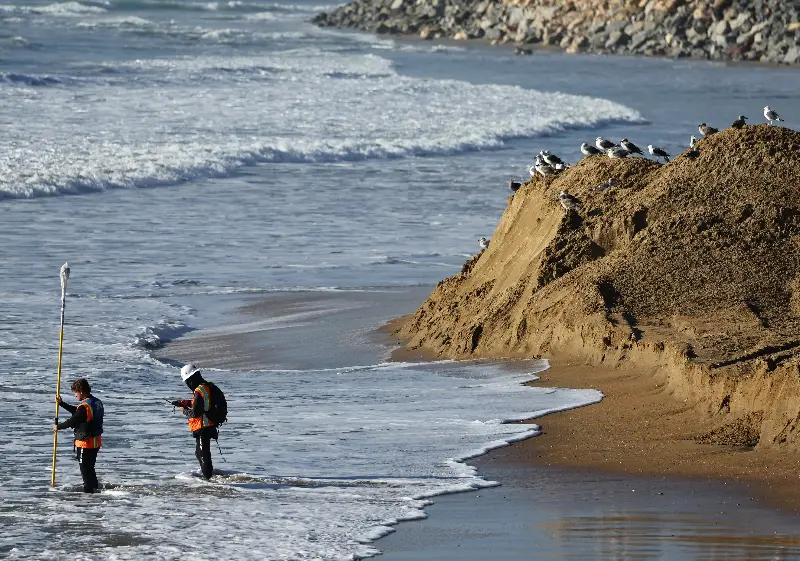
Aftershock and Resilience: What Lies Ahead
As dawn broke over Kamchatka’s volcanic skyline, the mood was a somber mix of relief and nervous anticipation. Emergency shelters housed hundreds of evacuees, while emergency teams inspected buildings and checked for aftershocks. The Pacific Ring of Fire, where tectonic plates collide, makes the region prone to such disasters—a grim reality that keeps these communities vigilant.
Key takeaways:
-
A rapid, coordinated response prevented loss of life despite the quake’s unprecedented strength.
-
Tsunami alerts demonstrated tight global cooperation, with authorities across continents monitoring wave activity in real time.
-
Emotional scenes of families reuniting and communities supporting each other reflect the enduring resilience of those living in high-risk seismic zones.
As one Kamchatka resident summed up, “We’re shaken, but unbroken.” The world watches in hope that recovery will be swift and that these awe-inspiring but perilous natural events bring out the very best in human solidarity.