


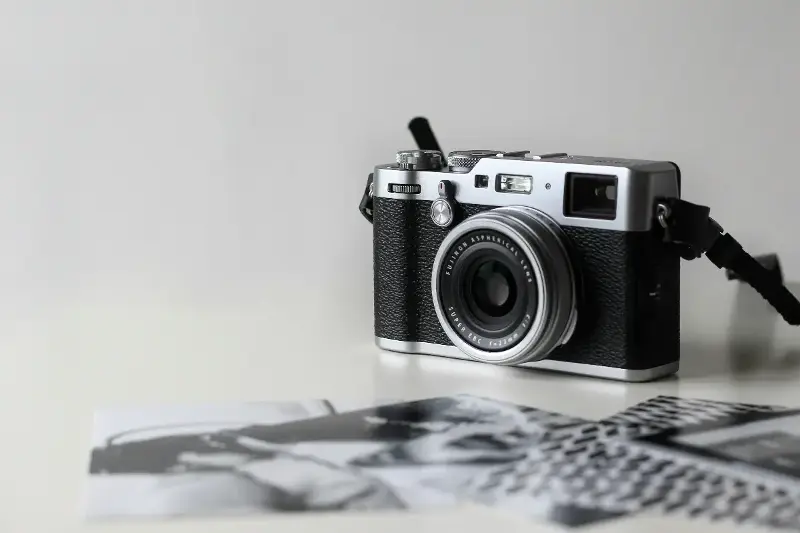
Black and white photography possesses a unique ability to slow us down. Free from the immediate distraction of bright colors, the human eye begins to notice subtle visual nuances: the delicate curve of a hand, the tension in a smile, the pattern of rain on glass, or the quiet space between two people. A monochrome image often feels timeless because it strips away temporal clues, revealing an authentic core.
Removing color is not merely a technical conversion—it is a deliberate visual language. Mastering monochrome requires leveraging light, shadow, high contrast, rich texture, and composition to evoke deep emotion.
A Simpler Palette for a Stronger Focus
Color carries constant information. A bright red coat suggests energy, while a clear blue sky creates calm. In a color photograph, these visual signals compete for attention alongside expressions, shapes, and environments. Black and white removes that competition entirely.
- Direct visual connection: The viewer naturally focuses on essential elements like eyes, posture, and facial expressions.
- Reduced visual clutter: Vibrant advertisements, colorful cars, or distracting backgrounds no longer pull focus from the subject.
- Artistic interpretation: Controlling tones from deep black to brilliant white transforms ordinary landscapes into scenes that feel mythic and profound.
Legendary photographer Ansel Adams famously noted that taking a picture is about making an image rather than simply recording reality. By mastering monochrome tones, artists craft visual narratives that resonate far beyond the surface.
Light and Shadow Tell the Story
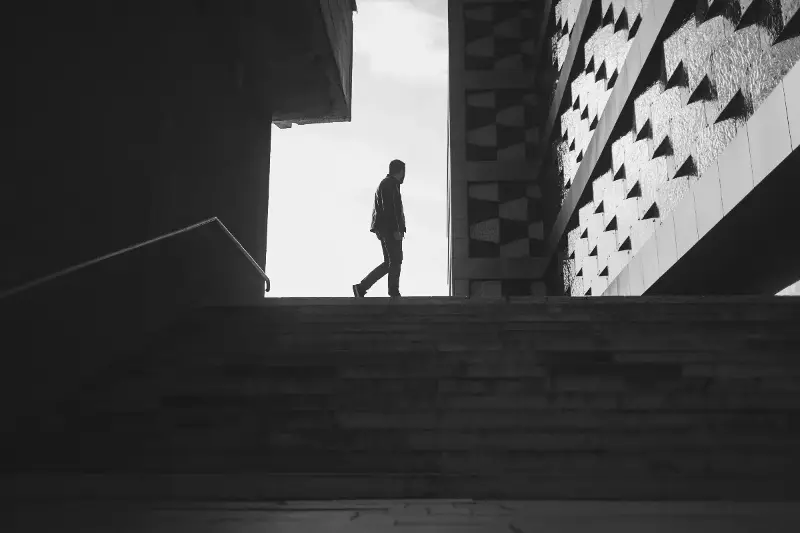
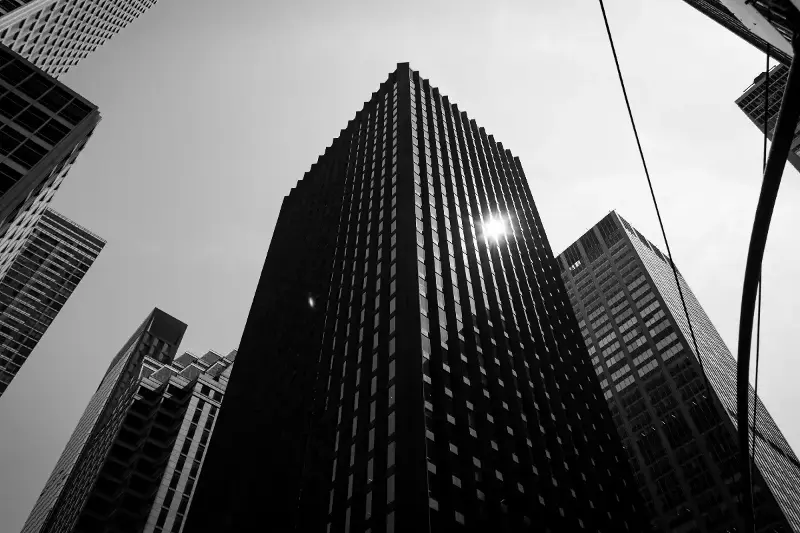
In monochrome photography, light acts as a primary character. Hard sunlight creates bold shadows and dramatic silhouettes, while soft window light exposes subtle skin tones and tender vulnerability. Weather elements like fog, rain, and reflections gain immense visual weight by building soft layers of gray.
A central concept in monochrome work is tonal range—the smooth gradient spanning the brightest highlights to the deepest shadows:
- High-contrast scenes: Create bold energy, graphic lines, and intense drama.
- Rich mid-tones: Build atmospheric depth, subtle mood, and dimensional realism.
- Strategic shadows: Leave space for imagination, inviting viewers to bring their own interpretation to the image.
Why Monochrome Portraits Feel More Intimate
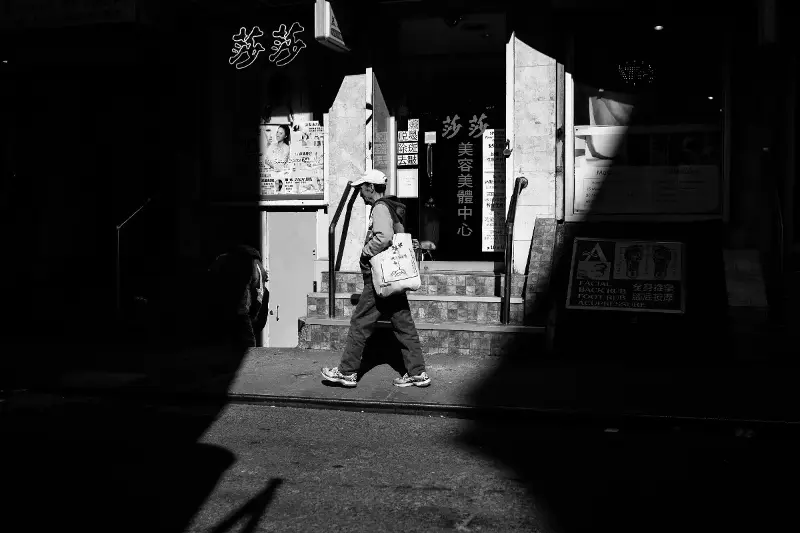
Black and white portraiture has long been celebrated for its raw honesty. Without color, skin tone is not judged by warmth, makeup, or sun exposure. Instead, absolute focus shifts to character and emotion. Lines around the eyes reveal years of joy, while clasped hands tell a story of quiet resilience.
Monochrome portraits also transcend fleeting fashion trends. Bold clothing hues, cosmetics, and interior decor styles can quickly date an image. Stripping away color emphasizes the human spirit rather than the era, making black and white the premier choice for fine art portraiture.
Texture as a Visual Emotion
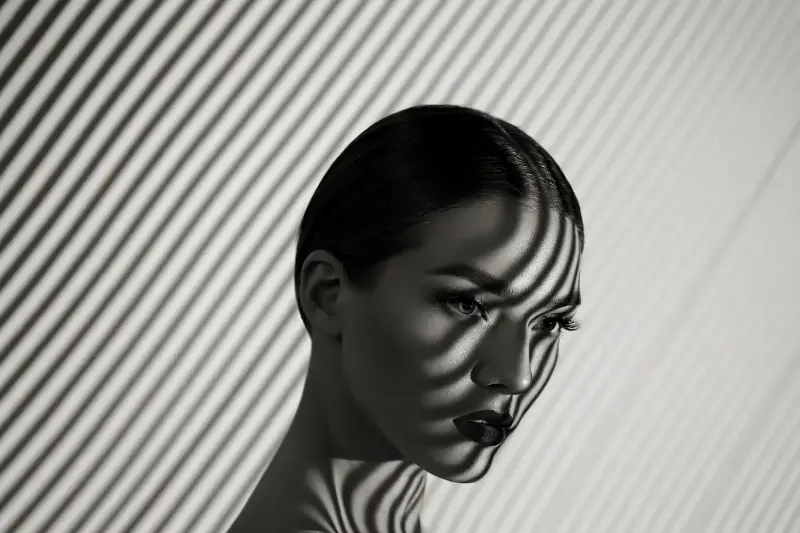
When color disappears, physical texture becomes exceptionally expressive. Viewers can almost feel the roughness of weathered wood, the sleekness of polished metal, or the softness of morning mist.
Historically, film photographers valued the fine grain of black and white film because it added a tactile, organic soul to documentary and street photography. Modern digital creators frequently emulate this effect, using subtle grain to infuse clarity with artistic atmosphere.
Choosing Monochrome with Purpose
The strongest black and white photographs are created with clear intention. A scene succeeds in monochrome when its story relies on form, light, texture, and expression rather than color alone.
By removing color distractions, photographers create a universal language. Less visual noise leaves far more room for the human story to shine through.