


In a world where cars are as common as smartphones, dashcams have quietly become one of the most practical gadgets for drivers looking to protect themselves on the road. But you don’t need to empty your wallet to enjoy peace of mind behind the wheel. There’s a surprisingly robust market of dashcams available for under $100, delivering reliable video evidence in case of accidents, insurance claims, or simply to capture the oddities you encounter while driving. If you’ve been thinking about equipping your ride without splurging, you’re in the right place.
Why Dashcams Are More Than a Trend
Dashcams started as niche products used by professional drivers and tech enthusiasts, but their popularity has exploded for one simple reason: they work. Video evidence can be the difference between a stressful fight over insurance claims and a quick resolution. There are also plenty of stories where dashcam footage has captured everything from meteor showers to the actual cause of a traffic accident, protecting innocent drivers.
Many people buy dashcams after a close call or because they want to monitor their parked vehicle. Fortunately, advancements in miniaturized electronics have allowed manufacturers to bring down prices while offering surprisingly sophisticated features. Now, even budget-friendly models come packed with tools that used to be exclusive to high-end options.
Key Features To Look For In Budget Dashcams
Dashcams come in a staggering array of shapes, sizes, and configurations, but a few features can make the biggest difference—especially when you’re shopping under $100.
Resolution is perhaps the most important factor. A 1080p full-HD camera is now a baseline standard, offering enough clarity to capture license plates and street signs. Some budget models even boast 2K resolution, but it’s vital to make sure the night vision and sensor quality match the pixel count.
Field of view is another crucial specification. Look for at least a 120-degree lens, but some dashcams under $100 can stretch to 170 degrees, ensuring you catch more of the road and its surroundings.
Loop recording helps the dashcam seamlessly overwrite old footage when the memory card is full, so you never have to worry about running out of space. G-sensors, meanwhile, can detect sudden impacts and lock those video files to prevent accidental deletion.
A notable bonus in some models: parking mode. This allows the camera to keep a watchful eye when your car is off, recording bumps, attempted break-ins, or hit-and-run mischief.
Top Picks: Popular Budget Dashcams Worth Your Attention
With so many options on the market, narrowing down the best dashcams under $100 can feel overwhelming. Here are a few top performers that consistently receive positive feedback from real-world drivers.
The Apeman C450 is a standout for those on a slim budget. It offers 1080p recording, ultra-wide 170-degree field of view, and built-in G-sensor, all in a sleek, unobtrusive design. Users report that its crisp video is reliable both day and night thanks to its enhanced night vision.
Another favorite is the Viofo A119 V3. Slightly closer to that $100 mark, it stands out for its 2K resolution, exceptional night quality, and easy-to-use interface. Its capacitor-based power system is better for high-temperature environments than typical battery models.
For those who want both front and rear coverage, the TOGUARD CE41 offers a dual-lens design for around $60. It’s a great way to record not just what’s ahead, but what’s happening behind your vehicle too—a popular option for taxis and rideshare drivers.
Don't overlook the Rexing V1, which sometimes drops below $100 during sales. With a discreet form factor, 170-degree field of view, and solid reliability, it’s a trusted name among budget-conscious drivers.
Tips For Getting The Most From Your Dashcam
Investing in a dashcam is just the first step. To ensure optimal performance, there are a few tips every driver should keep in mind. First, use a high-quality microSD card—preferably one designed for continuous video recording, such as those labeled “endurance.” This prevents data loss and reduces the chances of file corruption.
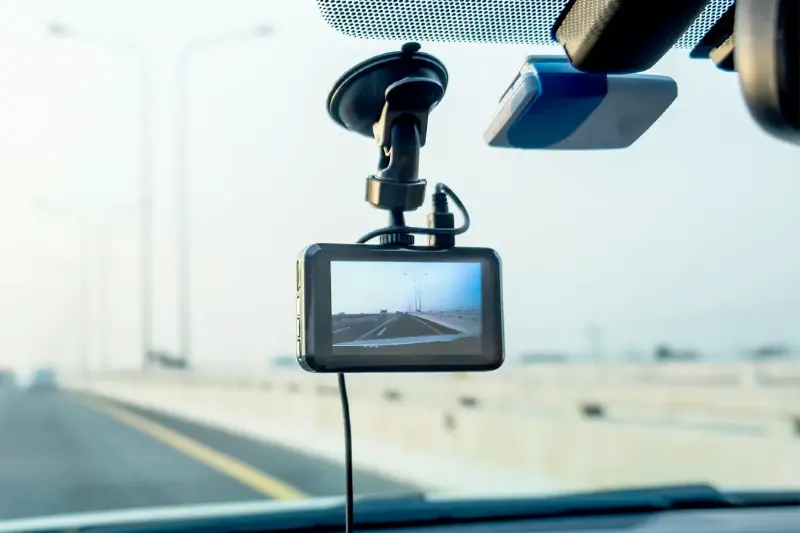
Mounting is another critical but often overlooked consideration. Most dashcams adhere directly to the windshield via sticky pads or suction cups. Position it behind your rearview mirror to avoid distractions, while still getting an unobstructed view. Tidy up loose wires using adhesive cable clips for a more professional look.
Regularly check your camera’s settings, especially after the first install. Make sure your date and time are correct—small details that can be huge when presenting video evidence. Don’t forget to review and save important footage before it’s looped over.
Finally, stay mindful of privacy laws in your area. Recording in public spaces is generally permitted, but sharing footage online that includes other people or license plates may carry restrictions in some jurisdictions.
Final Thoughts On Affordable Security
There’s a common misconception that budget-friendly means basic, but today’s sub-$100 dashcams are packed with useful features. They’re an essential investment for anyone who wants to be proactive on the road without breaking the bank. Whether you’re a daily commuter, a weekend explorer, or a family road-tripper, these compact cameras could be the silent witnesses you didn’t know you needed.
With just a little research and care, you can add an extra layer of security to your journeys and maybe even capture some incredible moments for the memory book. At under $100, peace of mind has never been more accessible—or more affordable.