


Finding your car refusing to start can send your day into a tailspin faster than a double espresso. But before you let anxiety take the wheel or reach for your phone to call roadside assistance, you can try a handful of clever quick fixes that could get you back on the road in no time. Knowing a few simple tricks not only saves money and time but also turns you into a more confident car owner. Here are some interesting facts, quick solutions, and must-know tips for those moments when your car just won’t cooperate.
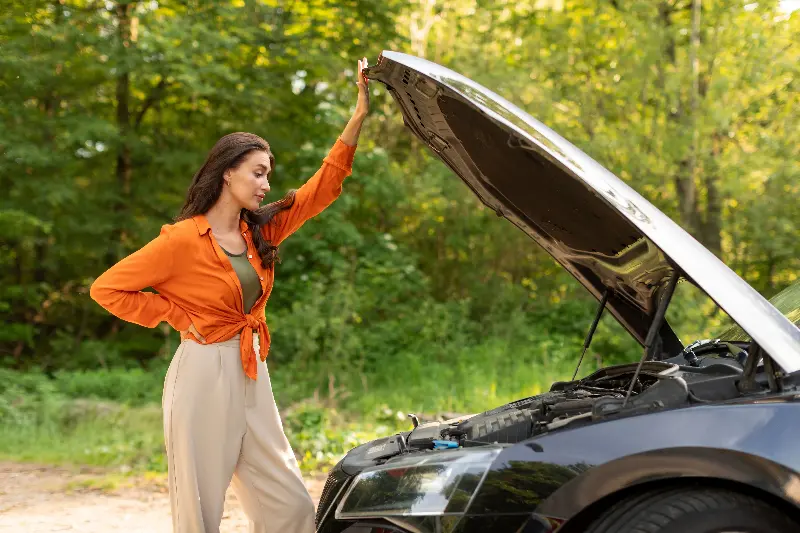
First Clues: Listen, Look, and Learn
There’s a lot your vehicle tells you if you pay close attention. When you turn the key or press your ignition button, does the engine try to turn over, or is there just a sad click? Maybe the lights on your dashboard flicker, or nothing at all happens. These details can help pinpoint what’s going wrong.
If you hear a rapid clicking, you’re probably dealing with a battery issue. A single loud click often points to a starter motor problem. Silence might mean a broken connection or a security issue with your key. Even the quietest cars make certain familiar sounds when starting; any big deviation is a clue.
Battery Blues and Jump Start Magic
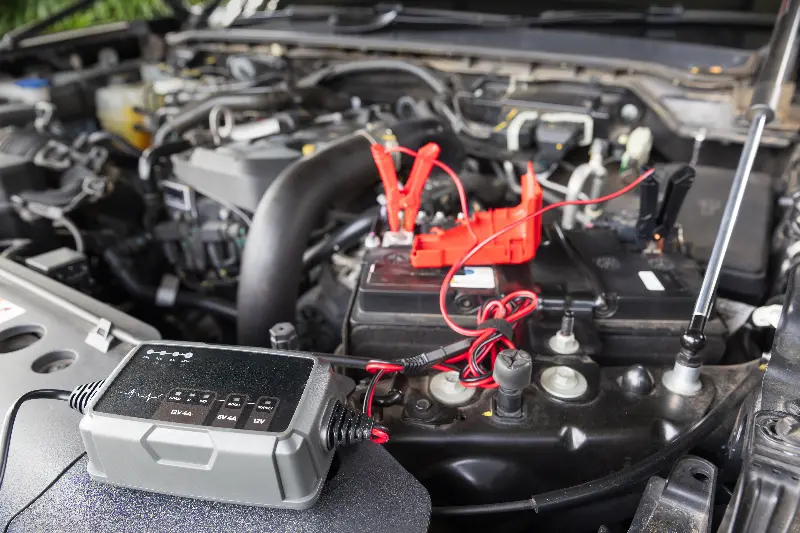
Of all the reasons your car might refuse to start, a dead or weak battery tops the list. Sometimes, especially in extreme cold or after leaving lights on, your battery just can’t muster the energy. But there's hope before you call for help.
Try nudging the battery connections—sometimes corrosion or a loose clamp interrupts the connection. Take a look at the terminal heads. Are they crusty with a greenish or whitish gunk? A little baking soda on a wet cloth or a toothbrush can gently clean the terminals, restoring a healthy connection. Please be careful not to get any baking soda inside the battery cells.
If you have jumper cables and another vehicle or portable jump starter handy, this could solve your problem in minutes. Attach the cables or jump starter according to the instructions (positive to positive, negative to a clean, unpainted metal surface on your car’s engine or frame), and give it a go. Fun fact: Even modern hybrid vehicles can require a jump for their 12-volt batteries, though their high-voltage systems stay isolated.
Key Fob and Immobilizer Surprises
Today’s cars are smart, but all those electronics sometimes get finicky. If your key fob battery is nearly dead, your car may not recognize it, causing a no-start situation. If your car is equipped with a push-button start, try holding the fob closer to the button itself. Some cars have a hidden spot, often near the steering column, where you can hold a weak fob to get just enough signal.
Manual unlocking and locking of all doors can sometimes reset the immobilizer, especially after your car’s battery has been replaced or if the anti-theft system is activated. This is surprisingly effective, and few people know about it.
Fuel and Air: The Unsung Heroes
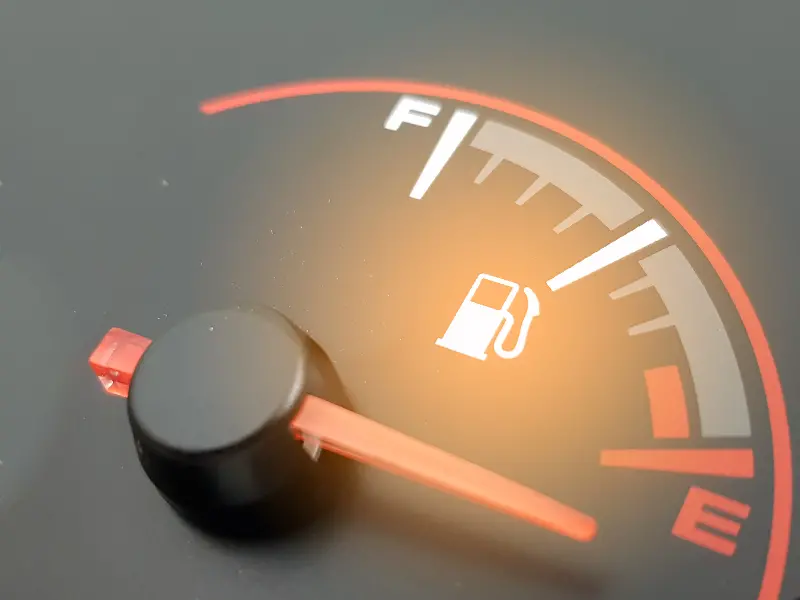
The obvious sometimes gets overlooked. How full is your fuel tank really? Gauges can malfunction—try listening for the characteristic sound of the fuel pump whirring when you switch the ignition to the “on” position. If you hear nothing, your pump might have issues, or you may be out of fuel.
Another quick trick is to give the gas pedal a gentle pump (not a flooring) before turning the key, especially with older or non-fuel-injected cars. With modern vehicles, this usually isn’t needed, but for cars equipped with an idle air control valve, a sticky valve can sometimes respond to a little extra air if you hold the gas pedal down while starting.
Starter and Transmission Tricks
If you hear a single loud click, the starter could be stuck. Another neat trick is to tap the starter motor lightly with a metal object—a wrench or even the tire iron from your jack kit. This can dislodge a stuck solenoid inside just enough to get your car going.
For cars with automatic transmissions, ensure the shifter is fully in Park or even try shifting to Neutral before starting. Sometimes, the safety switch that ensures you only start the car in 'Park' or 'Neutral' gets confused. Wiggling the shifter can make the connection and reactivate the starter circuit.
Odd Solutions for the Truly Stuck
Sometimes the issue is environmental. If your car hesitates in wet weather, moisture around the ignition wires could be the culprit. A quick spray of WD-40 (yes, really) on the wires and distributor cap can displace moisture and help electrical connections fire properly again.
If your wheel won’t turn and the key won’t budge, the steering column lock has likely engaged. Gently rock the steering wheel while turning the key, and the lock will release.
Believe it or not, some newer vehicles won’t start if the brake light switch fails—check that your brake lights come on when you press the pedal. If they don’t, your car might not recognize you’re trying to start it.

When to Seek Help
While these fixes can solve a surprising number of non-start situations, sometimes a problem runs deeper—like a failed alternator, broken timing belt, or fuel system mystery. It's best to call for professional help in these instances. However, with these tricks up your sleeve, you'll be better prepared for those unexpected, frustrating mornings—and might just save yourself a tow.
Next time your car won’t start, remember: don’t panic, and try out these smart, safe strategies. Knowledge really is your best roadside companion.