



If you’ve wandered down the dairy aisle or scanned the shelves at your local café recently, chances are the words “kefir” and “kombucha” have caught your eye. These fizzy, tangy drinks are no longer niche—they’re popping up everywhere, promising health perks and intriguing your taste buds in equal measure.
But what exactly are kefir and kombucha? And why are fans around the world excited about letting friendly bacteria take charge of their kitchens? Let’s embark on a tour of the fascinating world where fermentation is more than just a trend—it's a delicious lifestyle.
THE BASICS: WHAT ARE KEFIR AND KOMBUCHA?
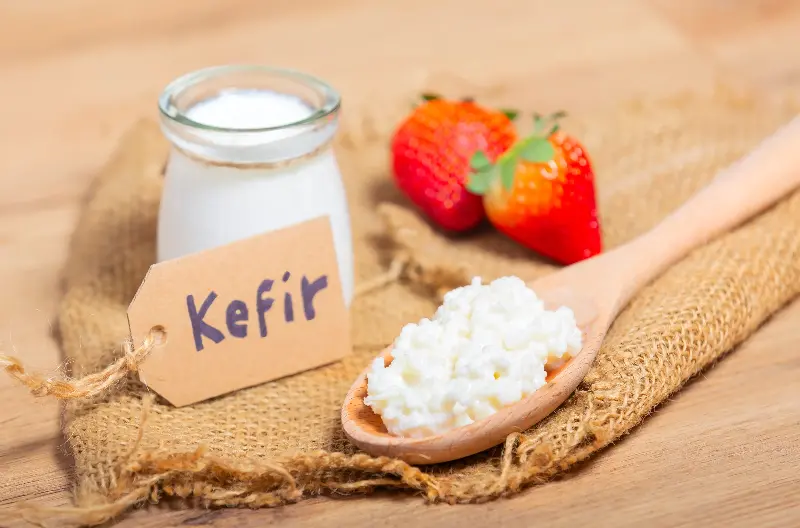
Kefir and kombucha are both fermented beverages, but they spring from different origins and cultures. Kefir hails from the Caucasus mountains and is made by fermenting milk (or sometimes water) with kefir grains—a cauliflower-like cluster of bacteria and yeast.
- Kefir: A tangy, yogurt-like drink packed with probiotics. Traditional kefir is slightly effervescent and contains a glorious mix of beneficial bacteria and yeasts, setting it apart from standard yogurt.
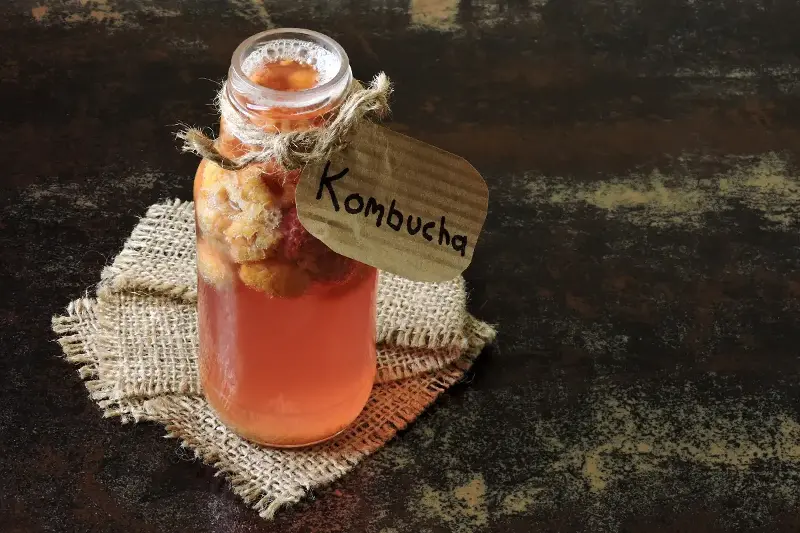
- Kombucha: Originating from East Asia, this is the outcome of fermenting sweetened tea with a SCOBY—a symbiotic culture of bacteria and yeast.
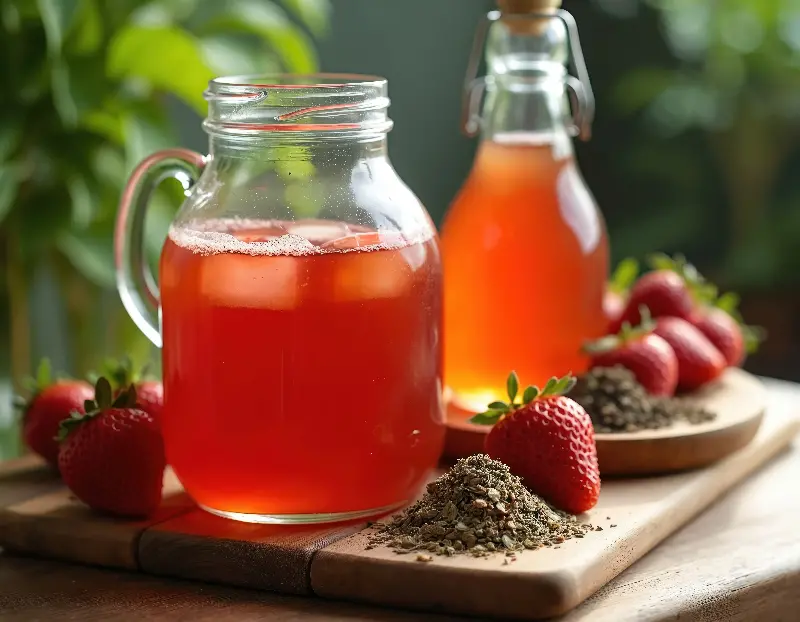
This flat, jelly-like disc floats atop a brew of black or green tea and sugar, transforming it into a lightly sparkling, tart, and somewhat sweet beverage. Kombucha has become a worldwide sensation, thanks in part to its versatility and vibrant flavor profiles, ranging from ginger to hibiscus.
FERMENTATION: THE SCIENCE AND MAGIC BEHIND THE BUBBLES
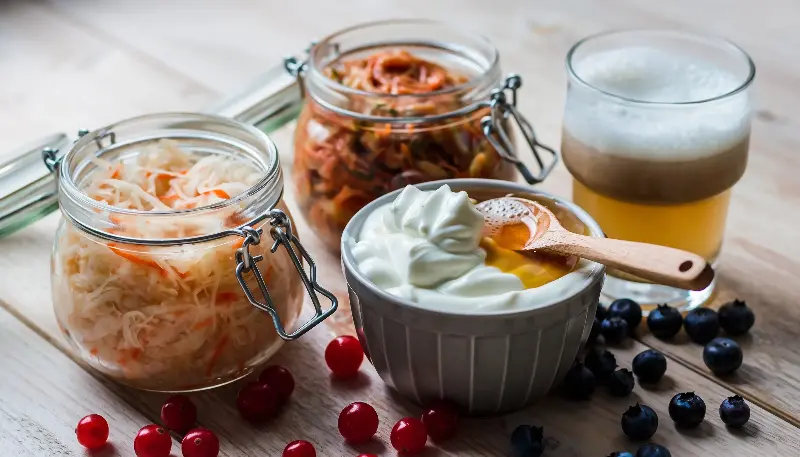
The core of both drinks' allure lies in fermentation—a natural process where microorganisms break down sugars, creating organic acids, carbonation, and a variety of flavors.
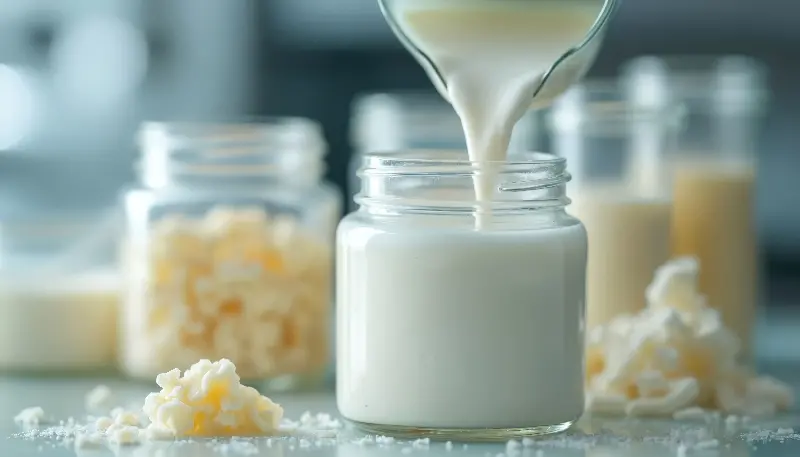
In kefir, the bacteria and yeast in the grains feed off the lactose in milk, which is why some people who are lactose intolerant can actually tolerate milk kefir. During this process, the beverage is enriched with probiotics (live, friendly bacteria), which are vital for a balanced gut.
Kombucha’s fermentation is driven by its SCOBY, which resembles a floppy pancake more than anything you’d expect in a drink. As the SCOBY digests the tea’s sugars, it produces:
- Beneficial acids like gluconic and lactic acid.
- A mild, refreshing buzz of carbonation.
- A tiny amount of alcohol (usually less than 1%) as a natural byproduct.
THE PROBIOTIC PAYOFF: WHY GUT HEALTH MATTERS
Why are so many health enthusiasts mad about fermented drinks? Probiotics are thought to support digestion, immune function, and even mood. Our digestive system is home to trillions of microorganisms forming the gut microbiome. A diverse, healthy microbiome is linked to:
- Better nutrient absorption.
- Stronger immunity.
- Potentially lower levels of inflammation.
Kefir, in particular, often contains a broader spectrum of probiotic cultures than regular yogurt, including strains like lactobacillus kefiranofaciens and leuconostoc. While the scientific jury is still out on exactly how effective store-bought versions are compared to traditional brews, the signs are promising enough that many people opt to incorporate these drinks for their unique tastes and potential health boosts.
DIY FERMENTATION: LET THE KITCHEN BE YOUR LABORATORY
One of the most fascinating aspects of kefir and kombucha culture is how easily you can make them at home. Fermentation isn’t just for chefs or scientists; it’s accessible and immensely rewarding for anyone with a little curiosity.
To brew your own kombucha, all you need is:
- A healthy SCOBY.
- High-quality tea (black or green).
- Organic sugar.
- A lot of patience.
The SCOBY multiplies over time, allowing you to share or experiment with different flavorings such as berries, citrus, or herbs. Home-made milk kefir is just as approachable. Kefir grains need nothing more than milk and a glass jar to work their magic. Within 24 to 48 hours, they transform liquid milk into a thick, slightly tangy beverage. By straining out the grains, you’re ready for your next batch—making kefir endlessly sustainable
CREATIVE WAYS TO ENJOY KEFIR AND KOMBUCHA
Don’t feel restricted to sipping these drinks straight from the bottle. Kefir’s creamy texture makes it a perfect base for smoothies, salad dressings, or overnight oats. Some like to blend in fruits or honey for a sweeter take, or use it as a tangy substitute for buttermilk in baking.
Kombucha, with its sparkling acidity, shines in:
- Cocktails and mocktails as a low-sugar mixer.
- Palate cleansers between courses.
- Marinades for a unique, acidic kick.
FASCINATING FACTS TO IMPRESS YOUR FRIENDS
- Not actually grains: Kefir "grains" are actually clusters of polysaccharides teeming with live microbes.
- The "Baby": A SCOBY sometimes forms a new layer on top, often called a "baby," which you can peel off to start a completely new batch.
- Ancient Roots: Ancient warriors drank kefir to enhance vitality, and early Chinese references to kombucha spoke of it as the “tea of immortality.”
Both drinks have made the leap from humble home-brews to global icons in the wellness world. As we continually seek connection—both to tradition and to our own health—it’s clear that friendly bacteria will keep ruling our kitchens for years to come.
Next time you pour yourself a cup of kefir or kombucha, remember: you’re taking part in a microscopic symphony with history, health, and deliciousness in every sip.