


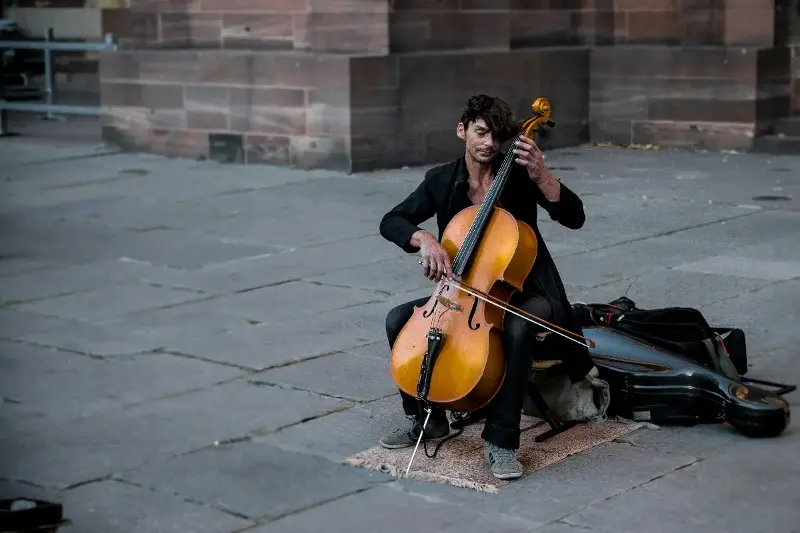
From ornate palaces to bustling concert halls, the cello has graced the world’s stages with its soulful resonance for centuries. Its warm, human-like voice has the unique power to move audiences, and its physical form is the result of an evolutionary journey that beautifully mirrors the broader landscape of Western classical music.
Whether you are a casual listener or a devoted musician, the story of the cello’s transformation from its baroque beginnings to its modern-day stature is rich with intrigue, innovation, and artistry.
BAROQUE BIRTH: THE ELEGANT ORIGINS OF THE CELLO
The cello did not always possess the elegant curves and velvety tone that we know today. Emerging in the 16th century, early cellos were bulky instruments known as bass violins. They were specifically designed to complement the growing ensemble needs of the burgeoning Baroque era.
These early ancestors featured distinct characteristics that set them apart from modern models:
- Natural Composition: They were strung with traditional gut strings, giving them a gentle, almost whispering sound.
- Acoustic Blend: Their tone was engineered to blend seamlessly with lutes, harpsichords, and early violins.
- Varied Dimensions: The earliest versions had a wide range of sizes, many of which were significantly larger than today's standard.
Italian craftsman Andrea Amati is often credited with standardizing the cello’s size in the mid-1500s. He reduced the instrument from its unwieldy origins to a more manageable shape. Initially, the cello’s role was primarily supportive, reinforcing the basso continuo—the harmonic backbone of Baroque ensembles.
However, great composers like J.S. Bach began to write complex solo works for the instrument in the late 17th and early 18th centuries. Their pioneering efforts laid the crucial foundation for the cello’s stature as a solo performer.
CLASSICAL REFINEMENT: SHAPE AND SOUND TRANSFORM
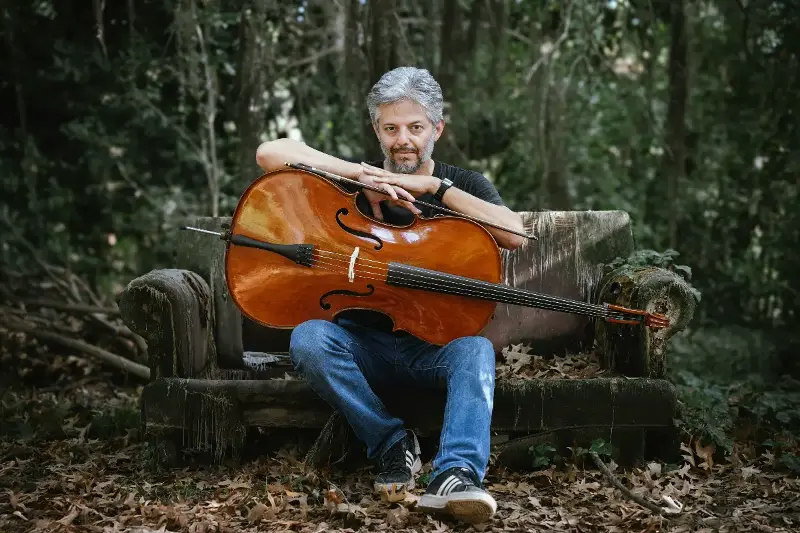
During the Classical period, both playing techniques and the cello’s physical attributes underwent significant change. Master luthiers developed cellos with a slightly smaller body, narrower bouts, and increased arching.
These physical modifications, paired with changes in string tension and the widespread adoption of the modern endpin, allowed for a significantly more powerful and focused sound projection.
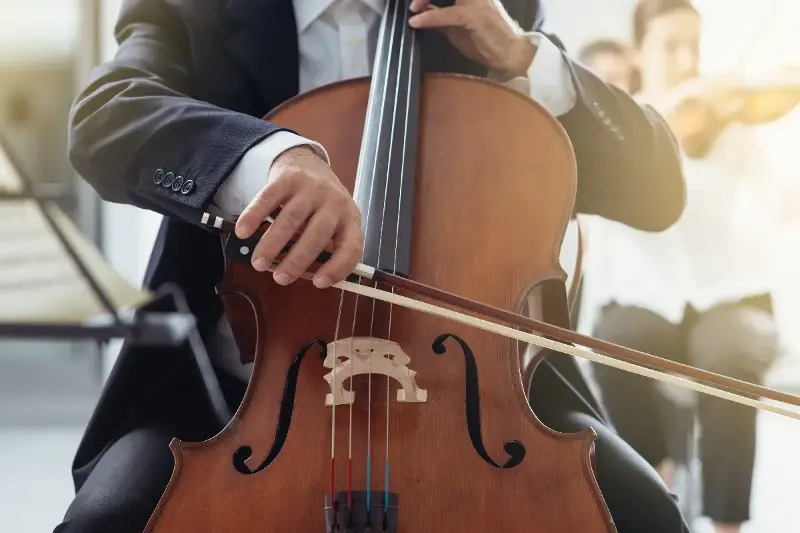
It was also during this time that bow design became much more sophisticated. The invention of the concave Tourte bow revolutionized cello performance by offering musicians greater physical control and dynamic flexibility. This innovation made complex passages and highly expressive phrasing achievable, setting the stage for brilliant masterpieces by composers like Haydn and Beethoven.
As the instrument developed, it moved out of the shadows and into the spotlight, performing sweeping melodic passages and becoming an essential voice in symphonies.
ROMANTIC FLOURISH: VIRTUOSITY AND EMOTIONAL DEPTH
By the 19th century, the cello had truly come into its own as the ultimate vehicle for emotional expression. Technical improvements, such as the introduction of metal-wound strings and the refinement of the fingerboard, enabled cellists to produce a much richer variety of tonal colors.
The Romantic era became a golden age for the cello repertoire. Composers like Dvořák and Saint-Saëns penned magnificent concertos that showcased the instrument’s lyrical qualities. The cello’s singing tone, often celebrated as the closest musical equivalent to the human voice, allowed it to weave between dramatic outbursts and tender whispers.
Legendary performers later elevated the instrument to global popularity. Their passionate interpretations and rediscovery of historic solo suites inspired fresh generations of musicians to explore the deep emotional capacity of the instrument.
MODERN MAJESTY: INNOVATION AND GLOBAL INFLUENCE
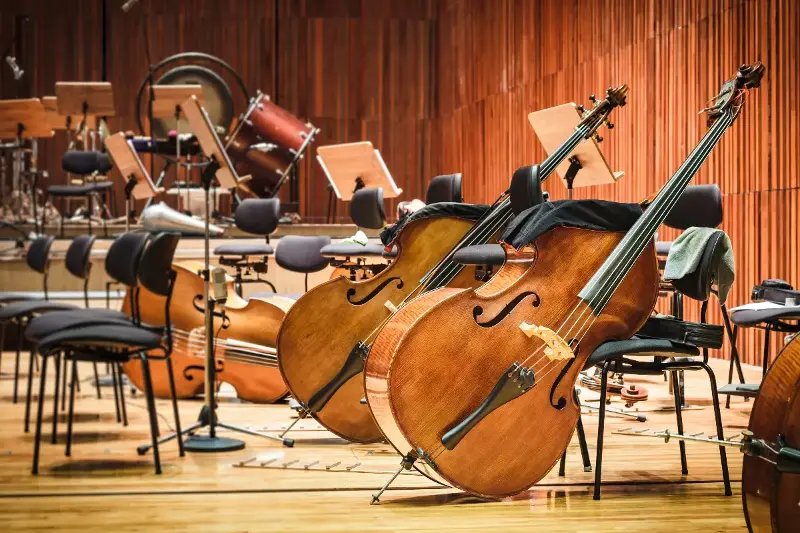
Today’s cellos are the product of centuries of innovation, blending age-old craftsmanship with cutting-edge technology. While many cellists treasure historic instruments for their unique tonal depth, modern makers actively experiment with carbon fiber bodies and synthetic strings designed for maximum stability in varied climates.
The global appeal of the cello is broader today than ever before:
- Genre Crossing: Contemporary performers expand traditional boundaries, weaving the cello's voice into jazz, pop, and cinematic film scores.
- Global Collaboration: Renowned artists travel the world, collaborating across cultures to introduce the instrument to young audiences.
- Digital Integration: The cello is now just as likely to appear in a modern digital studio or an electronic track as it is in a traditional recital hall.
From its baroque birth to its modern majesty, the cello remains a shining symbol of musical refinement. Its historic journey reflects the enduring human quest for beauty, ensuring that its resonant voice will continue to inspire joy for generations to come.