


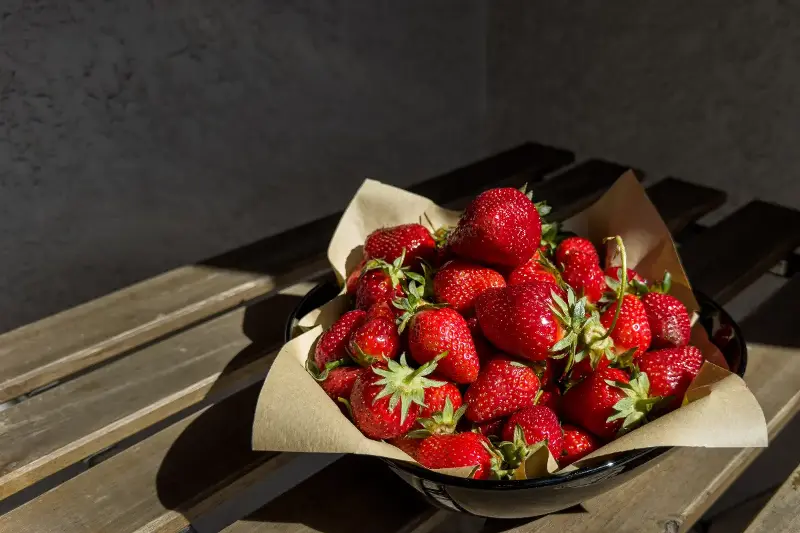
Imagine summer without the glistening, vibrant red jewels that are strawberries. It feels nearly impossible, doesn't it? Whether you are dipping them in dark chocolate, swirling them into creamy yogurt, or simply biting into their sun-ripened flesh, strawberries are a beloved treat with a story as rich as their flavor. These berries have transcended their status as mere fruit to become an enduring symbol of sweetness and celebration. Let us explore the intriguing past and delightful facts that make strawberries a true piece of edible history.
FROM WILD FIELDS TO ROYAL GARDENS: THE SURPRISING ORIGINS
Long before they graced elegant picnic tables, strawberries grew wild across temperate regions of the Northern Hemisphere. Ancient Romans cherished these berries as early as the first century, valuing them not just for their taste, but for their perceived medicinal qualities—believing they could soothe everything from minor ailments to low spirits.
However, the berries we enjoy today are quite different from the tiny, aromatic woodland varieties of the past. The modern, plump strawberry is the result of a global love affair and a bit of horticultural luck in the 18th century. When a French explorer transported a Chilean strawberry plant back to France in the early 1700s, it was crossbred with North American varieties. This serendipitous union birthed the Fragaria × ananassa, the garden strawberry we recognize today, transforming a rare woodland find into a global agricultural sensation.
A SYMBOL OF ROMANCE, LUXURY, AND ARTISTRY
Throughout history, the strawberry has cultivated a reputation far beyond its culinary appeal:
- Medieval Prestige: During the Middle Ages, they decorated the feasts of royalty, symbolizing purity, passion, and perfection.
- Artistic Muse: Renaissance painters often infused strawberries into their masterpieces to represent the fleeting beauty and sweetness of life.
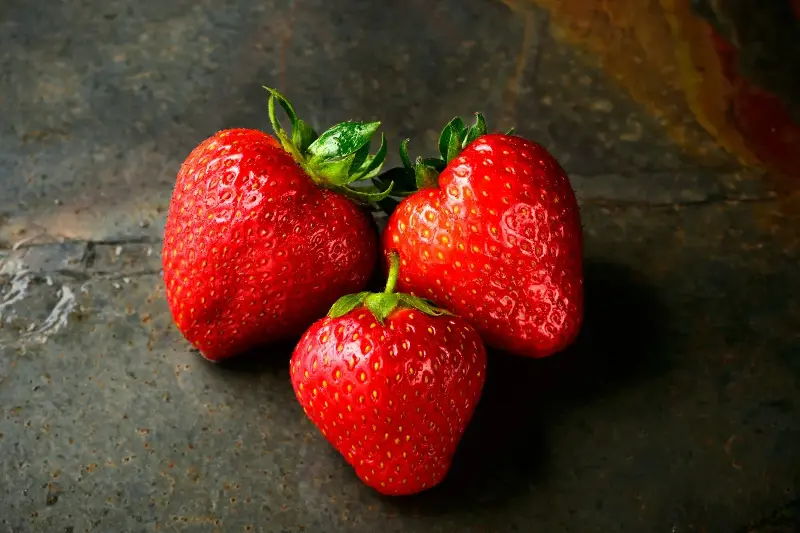
- Icons of Affection: Even today, the fruit's distinct heart shape and vivid red hue serve as classic emblems of love and temptation.
Once considered a rare luxury reserved for the upper echelons of society, advancements in cultivation and transport eventually made them accessible to everyone. Today, they are synonymous with iconic celebrations, from the courts of Wimbledon to the heart-shaped boxes of Valentine’s Day.
DELICIOUS FACTS TO SAVOR
While strawberries are visually stunning, their scientific composition is equally fascinating. Did you know that, botanically speaking, strawberries are not actually berries?
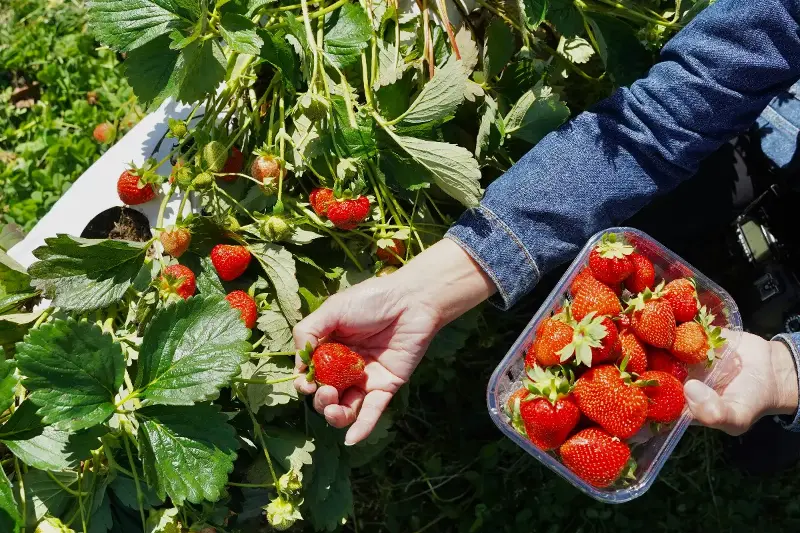
Instead, they are classified as an aggregate accessory fruit. The tiny, crunchy specks on the outside are actually the true fruits, each containing a single seed. An average strawberry typically hosts about 200 seeds on its exterior, a unique feature that contributes to its signature texture.
Beyond their structure, they are nutritional powerhouses:
- Immune Support: They provide more Vitamin C per serving than oranges.
- Antioxidant Rich: They are packed with compounds that help keep your skin glowing.
- Guilt-Free Indulgence: High in fiber and water, yet low in calories, making them a perfect snack for mindful eaters.
A GLOBAL AFFAIR: STRAWBERRIES IN CULTURE AND CUISINE
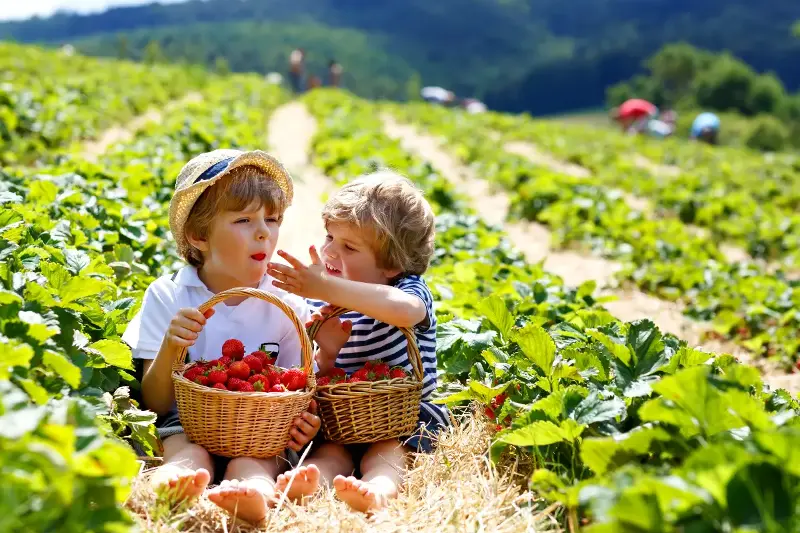
Strawberries have become true cultural icons, with festivals dedicated to them held worldwide. From the gourmet celebrations in Plougastel, France, to the bustling community socials in New England, the berry acts as a universal bridge for gathering.
Culinary traditions showcase their incredible versatility:
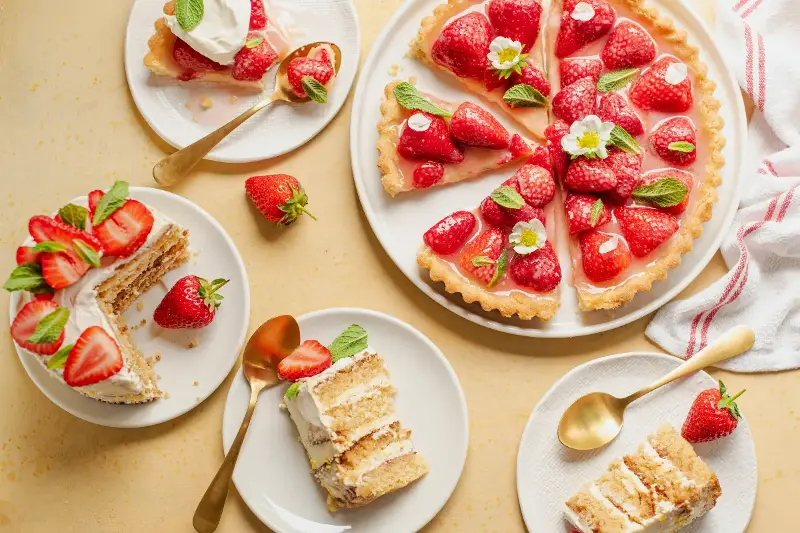
- Japan: Strawberry shortcake is the centerpiece of Christmas celebrations, its white cream and red fruit symbolizing harmony and joy.
- Scandinavia: Fresh strawberries are the honored guests at midsummer festivals, enjoyed under the glow of the midnight sun.
- Design & Fashion: The iconic strawberry motif continues to influence everything from textile patterns to high-end prints, proving the fruit’s lasting charm in popular culture.
GROWING THE SWEETNESS: HARVESTING AND STORING
Securing the perfect strawberry is all about timing. It is important to remember that strawberries do not continue to ripen after they are picked. When shopping, always look for bright, shiny berries with healthy, vibrant green caps. Because they are highly perishable, they are best enjoyed within a day or two of purchase, or preserved through freezing or dehydrating to lock in that peak summer flavor.