


Hybrid cars are often grouped under one convenient label, yet the technology behind them varies dramatically. Some hybrids never need to be plugged in, some can travel meaningful distances using electricity alone, and others use a compact electric system mainly to assist the engine. Understanding the differences among HEVs, PHEVs, and MHEVs helps buyers compare fuel savings, driving dynamics, and ownership needs with total confidence.
At the heart of every hybrid is a shared concept: combining an internal combustion engine with one or more electric motors and a high-efficiency battery. How these components are sized, connected, and controlled determines the precise hybrid category.
What Is an HEV?
An HEV (Hybrid Electric Vehicle), commonly known as a self-charging hybrid, uses an engine, an electric motor, and a compact battery pack. It does not feature an external charging port; instead, the battery is replenished through clever engineering like regenerative braking.
-
Energy Recovery: When slowing down, the electric motor acts as a generator, converting kinetic energy into electricity rather than losing it as brake heat.
-
Low-Speed Electric Drive: An HEV can operate on pure electric power for short distances—silently pulling away from traffic lights, maneuvering through car parks, or coasting in heavy traffic.
-
Seamless Transition: Once additional power is required, the primary engine engages automatically to work alongside the electric motor.
Pioneered by models like the Toyota Prius, HEVs excel in stop-start urban commuting where frequent deceleration maximizes energy recovery. The primary advantage of an HEV is complete driver convenience: simply fill up the fuel tank as usual while the vehicle intelligently manages its own power sources.
What Is a PHEV?
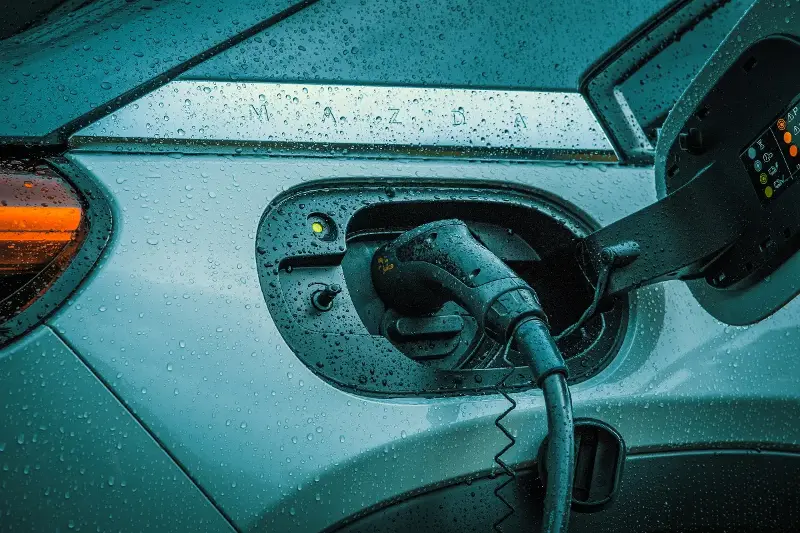
A PHEV (Plug-In Hybrid Electric Vehicle) takes the hybrid concept further by incorporating a substantially larger battery pack that charges via external electrical infrastructure, such as home wallboxes or public charging stations.
Key features of plug-in hybrid technology include:
-
Extended Zero-Emission Range: Modern PHEVs typically deliver an electric-only range of 30 to 60 miles, making them capable of covering full daily commutes on electricity alone.
-
Dual-Power Flexibility: The primary engine remains available for longer highway trips, completely eliminating range anxiety for regional travel.
-
Optimal Efficiency Habits: Regular external charging is vital. Plugging in daily maximizes financial and environmental savings; otherwise, the vehicle carries uncharged battery weight, which can increase fuel consumption on longer trips.
PHEVs represent the ideal middle ground for drivers seeking electric commuting for local trips combined with complete flexibility for long-distance journeys.
What Is an MHEV?
An MHEV (Mild Hybrid Electric Vehicle) is the lightest, most streamlined form of hybrid electrification. It cannot drive on electric power alone. Instead, it utilizes a compact 48-volt electrical system and a small motor-generator to support the primary engine.
-
Assisted Acceleration: Delivers a gentle electrical boost during acceleration, overtaking, or hill climbing to reduce engine workload.
-
Refined Stop-Start: Smooths out engine restarts and allows the engine to turn off early when coasting to a complete stop.
-
Effortless Integration: Requires no change in driving habits, no charging cables, and adds minimal weight to the chassis.
An MHEV is best understood as a highly refined, super-efficient conventional vehicle designed to lower daily fuel consumption across thousands of miles.
Comparing the Driving Experience
Behind the wheel, each hybrid type delivers a distinct feel:
-
HEV: Moves away in near silence before smoothly engaging the combustion engine as speed increases.
-
PHEV: Delivers instant torque and quiet operation akin to a fully electric vehicle during daily trips.
-
MHEV: Feels virtually identical to a standard car, but with significantly smoother engine stop-start transitions.

Choosing the Right Hybrid for You
Selecting the right hybrid depends on your daily driving environment and home setup:
-
Choose an HEV if you drive extensively in city traffic and prefer not to worry about plug-in charging.
-
Choose a PHEV if you have reliable access to charging at home or work and your regular commute fits within the electric range.
-
Choose an MHEV if you want enhanced fuel efficiency and lower emissions without changing any driving or fueling routines.
Electrified motoring is a full spectrum. From the subtle assistance of mild hybrids to the electric-first capacity of plug-in models, knowing what happens beneath the bonnet makes finding your ideal match simple and rewarding.