


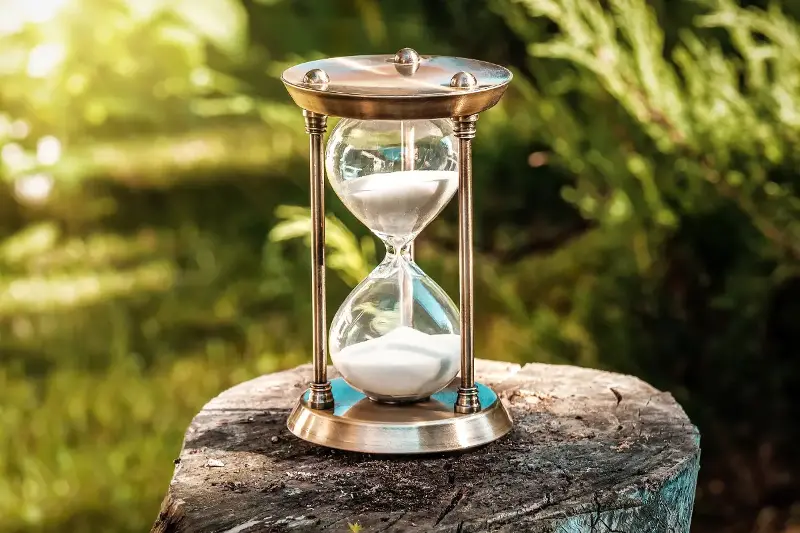
In an era defined by instant gratification, patience can easily appear outdated. Our digital lives move at a relentless pace, conditioned by one-click shopping and the dopamine hits of social media. Yet, beneath this flurry of immediacy, patience remains a timeless virtue—the silent power behind life’s most remarkable and lasting achievements.
Things worth having, being, or becoming almost always require time, gentle persistence, and attentive nurturing. Let’s unveil the hidden strength found in the art of waiting.
Lessons From Nature: The Virtue Of Rooting Before Rising
Nature is the world’s greatest teacher of patience. Consider the Chinese Bamboo tree:
- The Five-Year Wait: For the first five years after planting, the bamboo barely breaks through the soil. To the naked eye, nothing is happening.
- The Hidden Foundation: Underground, the plant is growing an elaborate root system to support its future height.
- Explosive Growth: In the fifth year, it can shoot up as high as 90 feet in just six weeks.
This natural lesson reminds us that progress often takes root where it can’t be seen. Whether you are building a career or healing from heartbreak, patience allows your foundations to grow strong before the results become visible.

The Neuroscience Of Patience And Satisfaction
Science confirms that patience is a key to long-term happiness. Neuroscientific research shows that the human brain actually rewards anticipation and perseverance.
- The Prefrontal Cortex: Delaying gratification strengthens the part of the brain responsible for decision-making and self-control.
- The Marshmallow Test: Famous Stanford experiments proved that children who could wait for a larger reward later experienced significantly greater success in adulthood.
- Mental Health: Studies link patience with lower stress levels, better emotional well-being, and overall life satisfaction.
When you cultivate patience, you don’t just "endure" time—you invest in your future capacity to enjoy the journey.
Patience As A Tool For Lasting Relationships
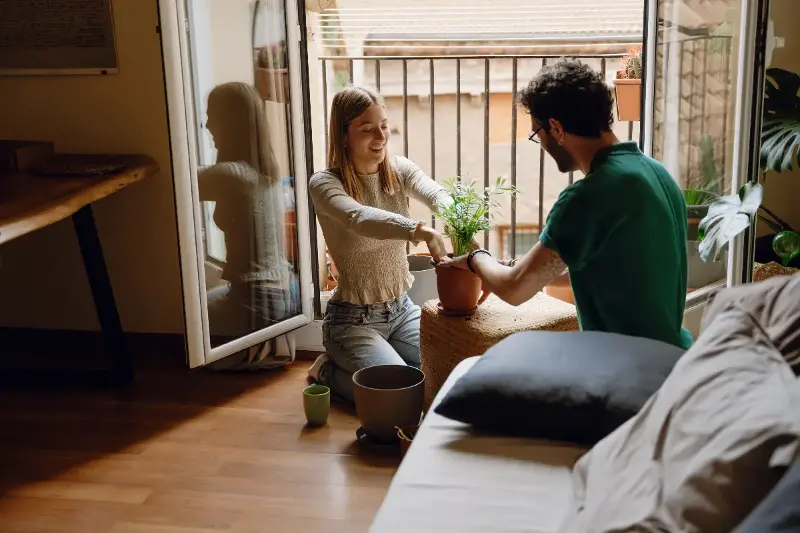
Relationships test our patience more than any other area of life. Misunderstandings and slow progress can be frustrating, but patient partners are historically better at conflict resolution.
- Trust and Forgiveness: Patience provides the space needed for trust to grow and for understanding to replace irritation.
- The Maturation of Love: By choosing to listen and wait, we create connections that can weather life's inevitable storms.
- The Two Warriors: As Leo Tolstoy observed, “The two most powerful warriors are patience and time.” Nowhere is this truer than in the quiet strength it takes to let a relationship mature.
Why Creative Masterpieces Demand Time
Few remarkable achievements happen overnight. The world’s greatest innovators often wrestled with their visions for years.
- Leonardo da Vinci: The “Mona Lisa” took nearly 16 years to complete.
- J.K. Rowling: Her first Harry Potter manuscript endured years of rejections and revisions before finding success.
- Fertile Ground: Moments of waiting—where progress feels invisible—are often when creativity is most quietly flourishing.
Mindful Living: Training Your Patience Daily
Patience is like a muscle; it requires regular exercise. Mindfulness practices offer practical tools to train this virtue in our daily routines.
- Accepting Delays: Reframe setbacks as part of the learning process rather than barriers to success.
- The Power of the Pause: Take a deep breath before responding during a disagreement or while waiting in a long line.
- Active Hope: Maintain trust in the process, even when the timeline doesn't match your expectations.

The Quiet Rewards Of Letting Life Unfold
Choosing patience in a world of shortcuts is a radical act of courage. It is an acknowledgment that slow progress still counts as progress. By focusing on the process rather than the destination, you give yourself permission to flourish on your own terms.
In learning to wait wisely, you unlock a hidden strength that ensures your eventual harvest is rich, deep, and truly worth the wait.