


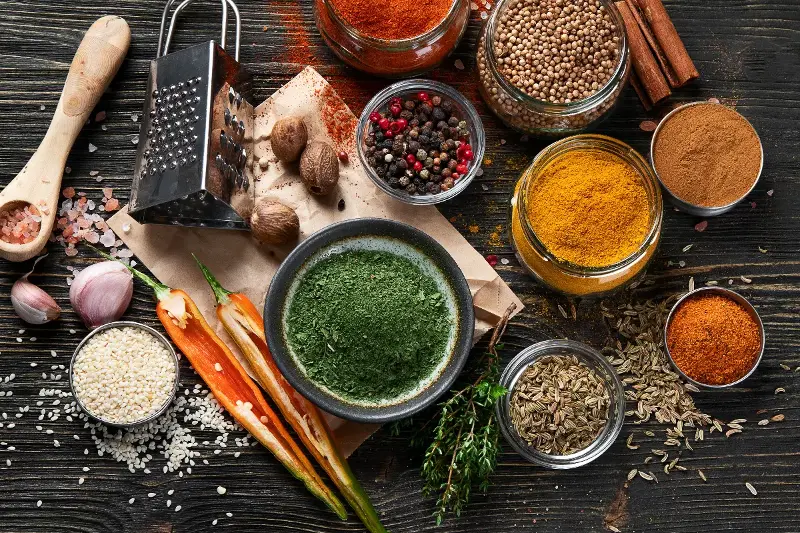
Herbs and spices may share a shelf, but top chefs treat them very differently. Knowing when to use each one can turn a simple meal into something fragrant, balanced, and memorable. The distinction is simple:
-
Herbs come from the leafy parts of plants (e.g., basil, parsley, dill, mint).
-
Spices come from seeds, bark, roots, berries, buds, or dried fruit (e.g., cinnamon, cumin, paprika, pepper, cloves).
The real secret lies in understanding how heat, timing, fat, and acidity affect their flavor. Professional kitchens rely on these precise decisions to build layers of taste rather than one overpowering note.
Fresh Herbs vs. Dried Herbs
Fresh herbs bring brightness, vivid color, and a clean aroma to salads, pasta, soups, and roasted vegetables. Dried herbs are far more concentrated because their moisture has been removed; one teaspoon of dried oregano delivers the flavor of roughly one tablespoon of fresh.
-
Dried Herbs: Best in slow-cooked dishes because they need time and moisture to release their oils. Add dried thyme, rosemary, oregano, or bay leaves early in the process.
-
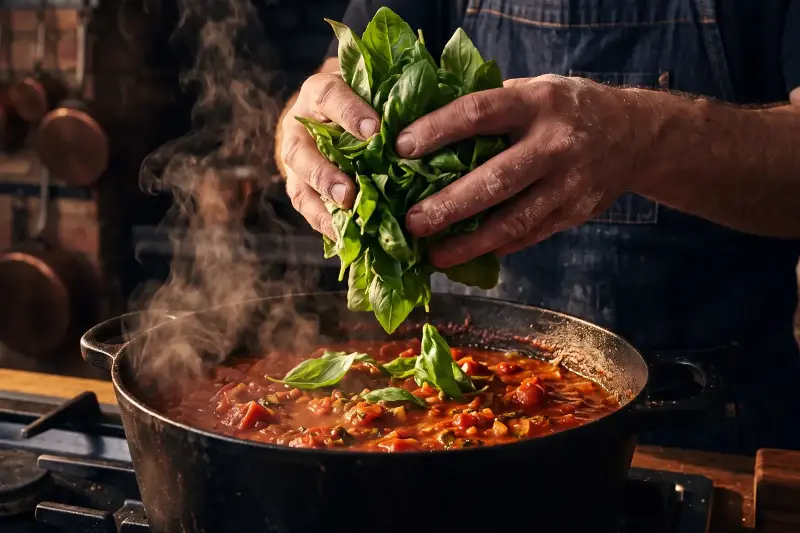
Tender Fresh Herbs: Delicate leaves like basil, cilantro, chives, mint, and tarragon dull quickly under heat. Stir them into sauces just before serving or scatter them over a finished plate.
-
Woody Fresh Herbs: Rosemary, sage, and thyme can tolerate longer cooking and pair exceptionally well with roasted meats, beans, potatoes, and mushrooms.
Why Spices Need Heat
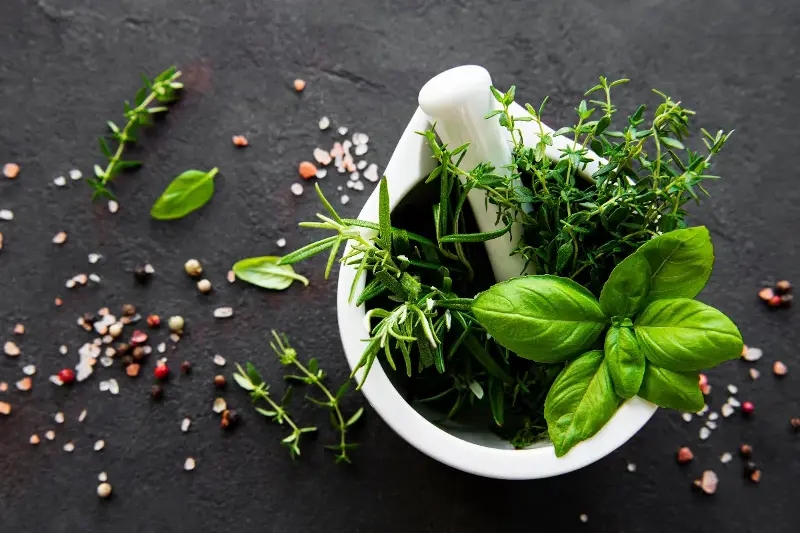
Spices become significantly more aromatic when exposed to dry heat. This technique, known as blooming or toasting, is a favorite shortcut in top kitchens.
Warming whole cumin, coriander, fennel, or mustard seeds in a dry pan for a minute or two makes them smell nutty and intense. Keep the heat gentle; essential oils burn quickly, turning bitter. Toast whole spices over medium-low heat, let them cool, and grind them fresh for maximum vibrancy.
Ground spices often bloom best in fat. Sizzling paprika, curry powder, turmeric, or chili flakes briefly in olive oil, butter, or ghee allows the fat to carry aromatic compounds throughout the entire dish.
Build Flavor in Layers
Great cooking relies on stages: start with a base note, add warmth, then finish with fresh elements. Spices serve as the foundation, while herbs provide the final flourish.
A small pinch of smoked paprika adds rich depth, while fresh basil added at the end keeps the dish lively. If a meal tastes dull, reach for acidity and aroma—a squeeze of lemon, a splash of vinegar, fresh herbs, or a pinch of toasted spice—before simply adding more salt.
Match Ingredients with Confidence
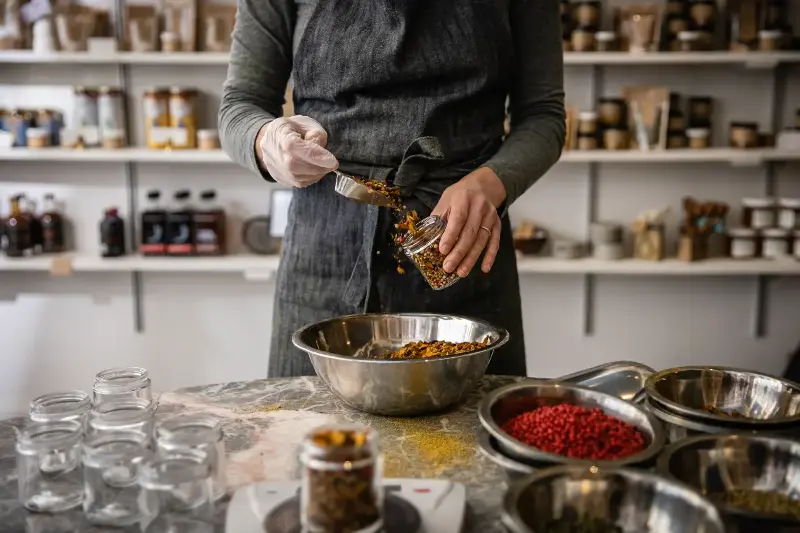
Certain pairings work seamlessly because of their underlying flavor profiles:
-
Rosemary: Pine-like notes pair naturally with garlic, legumes, and roasted potatoes.
-
Dill: Fresh and slightly sweet, ideal for salmon, cucumbers, yogurt, and eggs.
-
Sage: Savory and peppery, complementing brown butter, squash, and poultry.
-
Warm Spices: Cinnamon deepens rich sauces, cumin adds earthiness to lentils, and black pepper sharpens fresh strawberries or creamy pasta.
To balance strong spices, pair them with cooling elements like yogurt, cucumber, mint, or citrus.
Store Ingredients Like a Pro
Light, heat, air, and moisture rapidly degrade flavor. Keep dried herbs and spices in sealed containers in a cool, dark cupboard—never right beside the stove where steam weakens them.
Whole spices remain potent for years, while ground spices peak within six to twelve months. For fresh herbs, place tender stems (parsley, cilantro) in a glass of water in the fridge, keep basil at room temperature, and wrap woody herbs in a damp paper towel.