


When thinking about getting older, most of us picture greying hair or a few wrinkles around the eyes. But some surprising body parts can actually reveal your age much faster than you may have realized. While we often focus our anti-aging attention on faces and hands, there are other places where time leaves its mark sooner – and you might not see it coming. Taking a closer look at these neglected areas can help you feel confident and vibrant at any stage of life. Let’s explore five body parts that tend to age ahead of schedule, and discover how you can keep them looking and feeling their best.

The Neck: The Forgotten Storyteller
The neck is one of the first places where aging makes an unexpected appearance. Unlike facial skin, which tends to get a lot of skincare love, the neck is often left out of moisturizer and sunscreen routines. The skin here is thinner and contains fewer oil glands, making it especially prone to dryness, sagging, and the development of “tech neck” lines from constant device use. Sun exposure and gravity play their roles too, leading to crepey skin texture and the dreaded “turkey neck.”
Even though the face might look youthful after years of careful attention, the neck can tell a very different story if neglected. Including your neck in daily SPF application and gentle skincare treatments can go a long way in maintaining its smoothness and firmness. Special neck creams and occasional gentle massages can also keep blood flow healthy and support a firmer profile through the years.
Your Ears: More Than Just Hearing
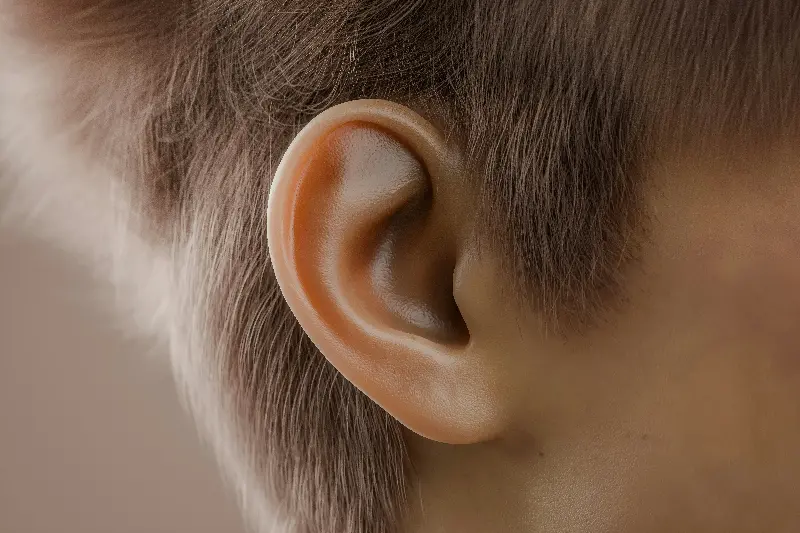
Few give much thought to the aging of their ears. These unassuming appendages are exposed to the same environmental stressors as other exposed skin, but often receive no protection. Over time, ear lobes can grow thinner and even slightly elongate due to gravity and the loss of collagen and elastin. Heavy earrings and repeated sun exposure accelerate this change, sometimes resulting in sagging lobes or wrinkling that’s surprisingly noticeable.
That’s not all: the skin on your ears can be particularly vulnerable to UV damage, increasing the risk of sunspots and skin cancers. Remembering to apply sunscreen to your ears every morning—and taking care not to overburden lobes with heavy jewelry—will help to hold back the hands of time. A little moisturizer goes a long way here, too.
The Lips: A Smile’s Subtle Clues
A fuller, softer pout tends to be associated with youth, but lips can lose volume and definition well before we notice other signs of aging. As the production of collagen slows down, lips may become thinner, drier, and less shapely. Persistent puckering, sipping from straws, or even repetitive facial expressions can create faint vertical lines—sometimes called “smoker’s lines”—around the mouth. Environmental factors such as sun, wind, and dry air further strip moisture, revealing age.
To help lips look their liveliest, regular use of nourishing balms with SPF protection is essential. Hydrating scrubs and gentle massages can promote blood flow and smoothness. And while lipsticks and glosses add a touch of color, a focus on hydration and protection will truly support lasting youthfulness in this often-overlooked yet expressive area.
The Knees: The Unexpected Age Marker
It might come as a surprise, but knees are another spot where aging tends to show up sooner rather than later. As we get older, the skin just above the knees may start to loosen and wrinkle—not just because of sun exposure, but also due to repetitive motion, loss of supporting fat, and natural collagen decline. The appearance of droopy or saggy skin around the knees is often exacerbated by high-impact activities, dramatic weight fluctuations, or spending lots of time kneeling.
Keeping knees youthful depends on a combination of self-care and movement. Moisturizing the skin, exfoliating gently, and protecting them from the sun while outdoors can help. Regular exercise, including squats and leg lifts, strengthens the muscles that support healthy skin tautness, while occasional massages can stimulate circulation and keep things looking firm.

The Scalp and Hairline: Beyond Hair Loss
Most people associate hair thinning or grey strands with aging, but the scalp itself ages, too. Over time, the skin on your scalp can become drier, thinner, and more prone to irritation. Reduced oil production and declining blood circulation contribute to brittle hair, slowed growth, and increased sensitivity. The hairline, in particular, may show signs such as fine lines, age spots, or even a gradual receding that’s not always hereditary.
To support both skin and hair, nourishing the scalp is as important as conditioning hair strands. Gentle cleansing, scalp massages, and regular sun protection can make a significant difference. Avoiding harsh chemicals and heat styling also goes a long way in maintaining supple, healthy scalp skin and a fuller, more youthful hairline.
Aging is an inevitable aspect of life, but knowing where it may sneak up on us can be empowering. With a little extra attention to these underrated areas, you can support your body’s natural resilience and radiance from head to toe. So the next time you slather on your favorite cream, remember—the small things can make a big difference, and every part of you deserves care for the long run.