


Early childhood is a time of astonishing transformation. In the quest to provide the best for their children, parents worldwide face an important question: when and how should formal education begin? This early education dilemma is about finding the right balance—between unlocking a young child’s natural learning potential and unintentionally applying pressure at a stage meant for wonder and joyful exploration.
The Changing Face Of Early Education
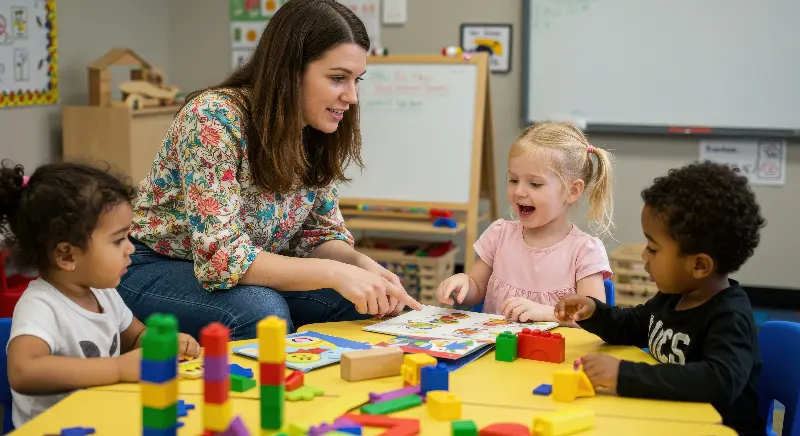
Over the past few decades, the age at which structured learning starts has shifted earlier and earlier in much of the world. Preschools shooting up everywhere, infants enrolled in enrichment programs, and toddlers filling up waiting lists for language and music classes—these are familiar sights to parents today. The intent is always positive. Parents want their children not just to keep up, but to get ahead.
Research has shown that the first five years of life are critical for brain development. Studies from the Center on the Developing Child at Harvard University highlight that during these years, more than one million new neural connections form every second. This rapid brain growth underlies the logic of early learning: why not take advantage of this period when children’s minds are most receptive?
However, there’s a flip side. Child development experts caution that academic focus too early can sometimes come at the expense of creativity, social skills, and emotional well-being. It’s not just what a child learns, but how and when they learn it, that matters.
Natural Curiosity And The Power Of Play
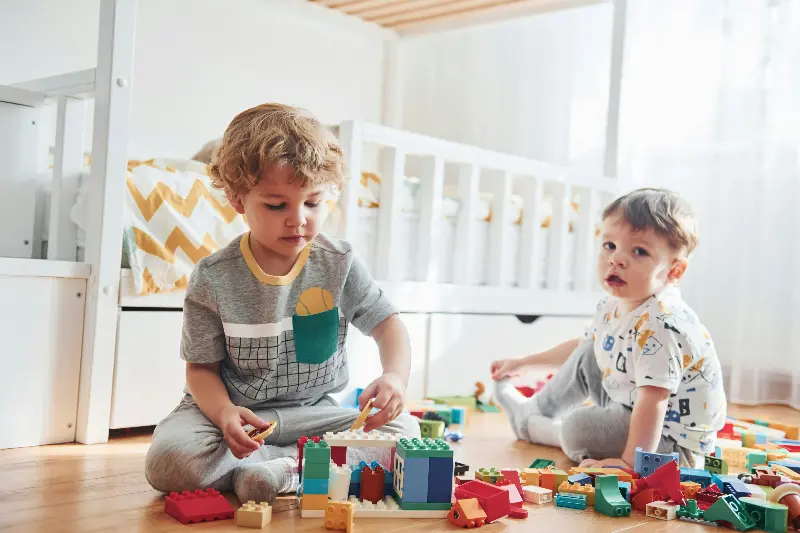
Children are, by nature, enthusiastic learners. Anyone who has watched a toddler methodically build a tower of blocks, or a preschooler ask endlessly “why?”, knows that young minds are wired for exploration. This innate curiosity is the foundation for lifelong learning. In fact, the United Nations Convention on the Rights of the Child emphasizes the right to rest and play, acknowledging play not as luxury, but as essential to growth and happiness.
Play-based learning isn’t simply about having fun; it is a powerful context for learning. Through imaginative games, storytelling, and unstructured outdoor activities, children develop cognitive skills, language, problem-solving abilities, and resilience. Studies published in the journal Pediatrics have linked free play to better self-regulation and social adjustment. These are skills with lifelong consequences, often more important than early literacy or math abilities.
Finland is one country often cited for its late start with formal schooling—typically age seven—yet Finnish students consistently rank among the world’s best in educational assessments. The secret? A delay in formal academics, with a major focus on free play and social development. Finnish educators argue that nothing is lost and much is gained by allowing children to be children a bit longer.
Early Academics: Boost Or Burden?
Yet for many parents, anxiety about “falling behind” or failing to prepare their child for a competitive world is real. In places like the United States, Japan, and China, academic preschool and early literacy classes are now the norm. Some studies suggest early exposure to letters and numbers can offer a head start, particularly for children from disadvantaged backgrounds who may not have rich learning environments at home.
Nevertheless, research remains mixed. A large-scale study by the University of Virginia found that while children learned more basic skills in academic-centered preschools, these advantages faded quickly in primary school. In contrast, social and emotional skills cultivated through play were better predictors of later success.
There’s also concern that hefty early academic demands could crowd out the joy of learning. A growing body of evidence links undue pressure to performance anxiety, stress, and even sleep disturbances among young children. A 2022 article in Child Development Perspectives warns that “academic acceleration can have unintended psychological impacts on children who are not developmentally ready.”
Striking The Right Balance
So, is there a one-size-fits-all answer? Not quite. Experts agree that every child is unique, with individual timelines for developing attention spans, emotional maturity, and social skills. Some thrive with structure; others bloom in freedom.
The key, it seems, lies in combining gentle guidance with plenty of unpressured play. Responsive teaching—where adults observe, engage, and extend learning based on children’s interests—can satisfy natural curiosity without creating unnecessary stress. For instance, reading aloud, exploring nature, or even cooking together can introduce early math and science concepts in relaxed, joyful moments.
Parents play a central role, not just as advocates for education, but as interpreters of their child’s needs and responses. Trusting one’s instincts and tuning into a child’s readiness signals are often the best guides.
Building The Foundation For Lifelong Learning
Early education need not be an either-or proposition. Unlocking natural potential doesn’t mean pushing, nor does avoiding pressure require withholding all challenge. The real goal is to foster a love for learning—to help young children build a foundation of curiosity, confidence, and resilience.
As more is understood about the early years, the central message stands out: children who are allowed to grow, discover, and interact at their own pace are not only happier, but often better equipped for the challenges and opportunities ahead. In the early education dilemma, perhaps the wisest course is to encourage exploration while protecting the joy that comes so naturally to young minds.