


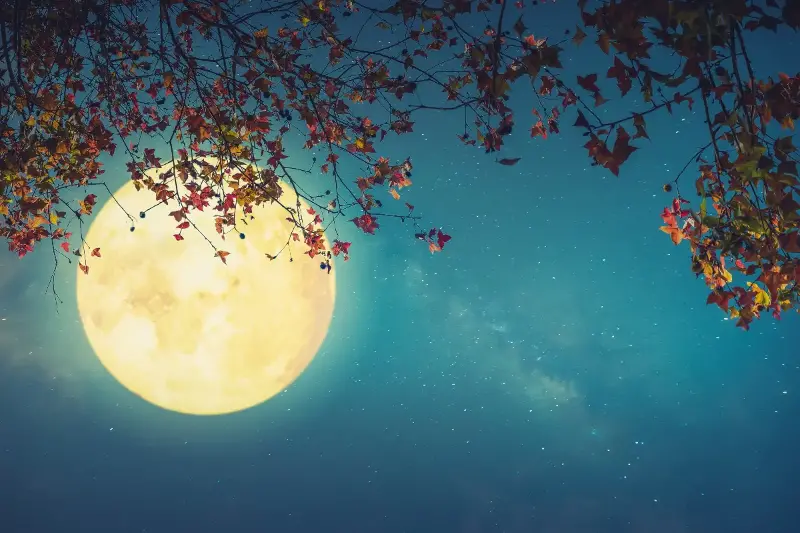
Each night, the moon casts a mesmerizing glow across the sky, but few of us stop to consider the incredible changes it undergoes during its journey from new moon to full. The story of the lunar cycle is one of ancient mystery and modern science, filled with surprising twists and cosmic choreography that continues to captivate skywatchers around the globe. Let’s set out on a journey through these fascinating lunar phases and uncover some of the lesser-known facts that shape the ever-changing face of our nearest celestial neighbor.
MOON PHASES: A CYCLE OF SHADOWS AND SUNLIGHT
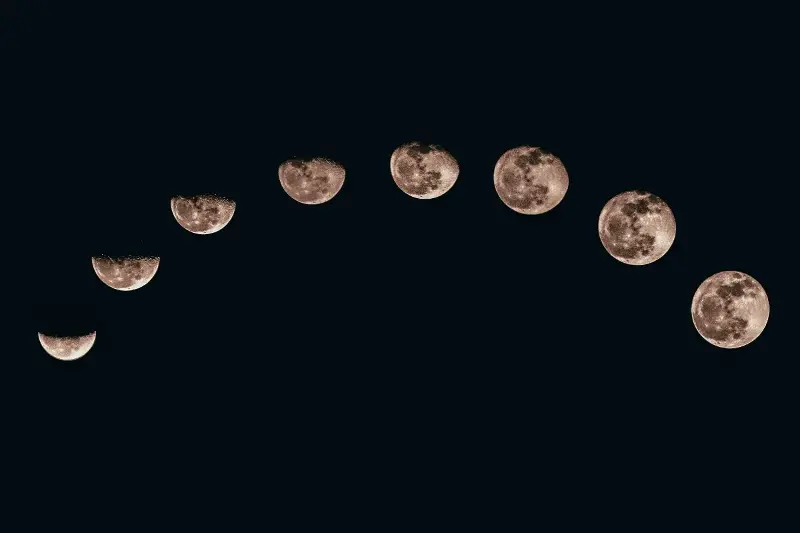
The lunar cycle spans about 29.5 days, during which the moon appears to grow and shrink as seen from Earth. This dance of light and shadow results from the changing positions of the moon, Earth, and sun.
The cycle progresses through distinct visual stages:
- New Moon: The sun’s rays shine directly on the "far side" of the moon, leaving the side facing us in darkness. It is simply hiding in the sun's glare.
- Waxing Moon: As the moon moves in its orbit, sunlight begins to illuminate a slim crescent on the right side, growing night by night.
- First Quarter: The moon appears exactly half-lit to observers.
- Waxing Gibbous: The illuminated portion continues to expand beyond half until it arrives at the celebrated Full Moon.
The reverse happens after the full moon as sunlight recedes. The moon’s illumination shrinks, or wanes, turning into a waning gibbous, a third quarter (half-lit again), a waning crescent, and finally restarting the cycle.
TIMING THE TIDES: HOW THE MOON SHAPES OUR SEAS
One of the most significant influences of the lunar cycle is tidal action here on Earth. As the moon orbits our planet, its gravity tugs on our oceans, creating two high tides on opposite sides of the globe.
What’s fascinating is how the moon’s phase directly affects the intensity of these tides:
- Spring Tides: Occur during new and full moons, when the sun, Earth, and moon align (syzygy). Their combined gravitational pull results in especially dramatic high and low tides.
- Neap Tides: Occur during the first and third quarters, when the moon and sun are at right angles, resulting in much milder tidal variations.
A GLOBAL CULTURAL ICON: THE MOON’S PLACE IN HISTORY
Since ancient times, people have looked up at the moon and woven its changing appearance into stories, myths, and calendars. Many cultures named the full moons to mark the passage of time, using seasonal labels like the Hunter’s Moon, Harvest Moon, or Wolf Moon.
The lunar calendar, still utilized by many cultures today, is based entirely on these cyclical phases. While modern science confirms there is no link between lunar phases and human mental health, the moon remains a powerful, positive symbol in art, global folklore, literature, and romantic traditions.
ECLIPSES: CELESTIAL DRAMA ON A LUNAR STAGE
Every so often, the lunar cycle sets the stage for one of nature’s most spectacular sights—an eclipse. These events rely on perfect cosmic alignment:
- Lunar Eclipse: Occurs exclusively during a full moon when Earth slips directly between the moon and the sun, casting our planet's shadow onto the lunar surface and sometimes creating a reddish Blood Moon.
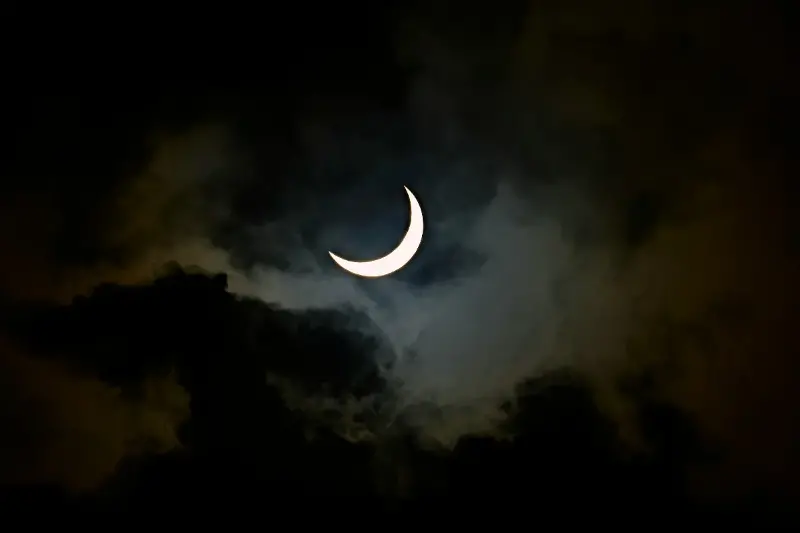
- Solar Eclipse: Happens solely during a new moon when the moon briefly blocks our view of the sun.
Because the moon's orbit is slightly tilted, these alignments are occasional, exciting events rather than monthly occurrences.
THE SCIENCE BEHIND THE SHINE: WHY THE MOON GLOWS
Many imagine the moon as a glowing object, but it actually emits no light of its own. Its gentle glow is simply sunlight bouncing off a dusty, rocky surface.
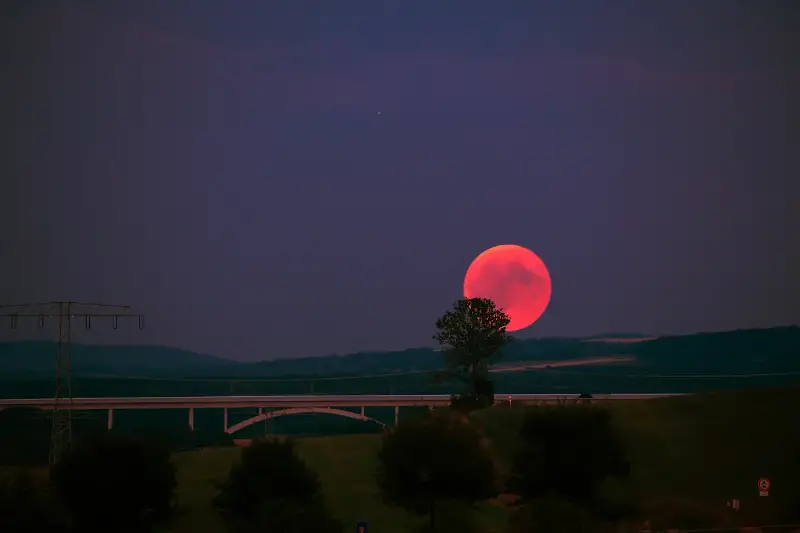
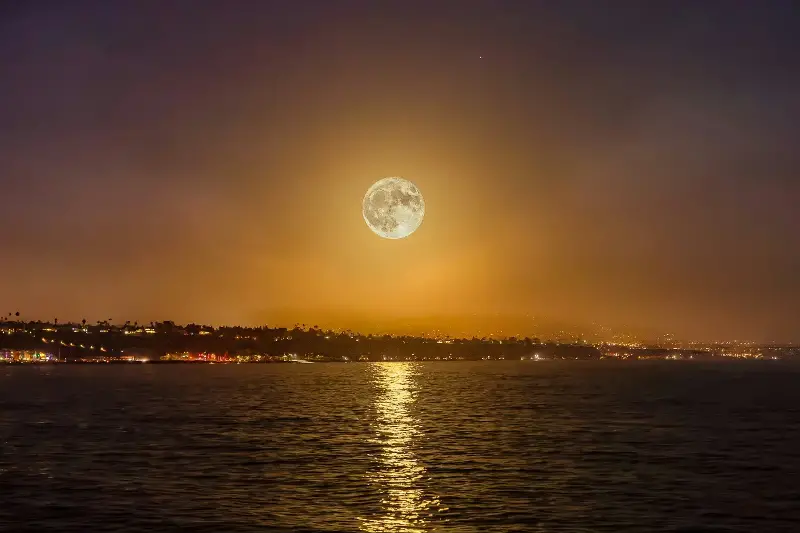
The color and brightness can change depending on its position in the sky and Earth’s atmosphere. Sometimes the moon rises with a striking orange or red hue; this is due to the filtering effect of our planet’s atmosphere scattering light, much like what happens during a colorful sunset.
NOT ALWAYS THE SAME: SUPERMOONS AND MICROMOONS
Not all full moons are created equal. The moon’s orbit around Earth is an ellipse rather than a perfect circle, meaning its distance from us changes constantly.
- Supermoon: Occurs when a full moon coincides with the closest point to Earth, appearing up to 14 percent larger and 30 percent brighter.
- Micromoon: Occurs when the full moon is at its farthest point, appearing smaller and less intense.
LOOKING UP: REDISCOVERING THE LUNAR CYCLE
Whether shaping ocean tides, measuring the months, or sparking scientific curiosity, the ever-changing lunar cycle continues to guide and fascinate us. Next time you look up at the night sky, take a few moments to appreciate this beautiful, predictable pattern that has ruled our skies for billions of years.