


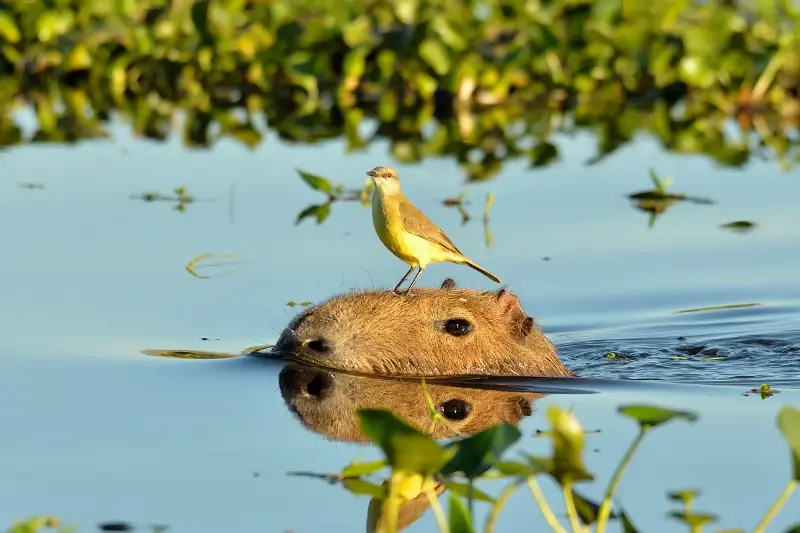
Animals frequently surprise us by forming connections that cross natural boundaries. A dog gently guarding a litter of kittens, a horse resting beside a goat, or a bird riding on the back of a large mammal can look like scenes from a storybook. While people often call these relationships friendships, scientists describe them as social bonds, cooperative associations, or mutual tolerance.
Whatever the name, these extraordinary partnerships reveal how adaptable, sensitive, and socially intelligent animals can be.
When Different Species Become Family
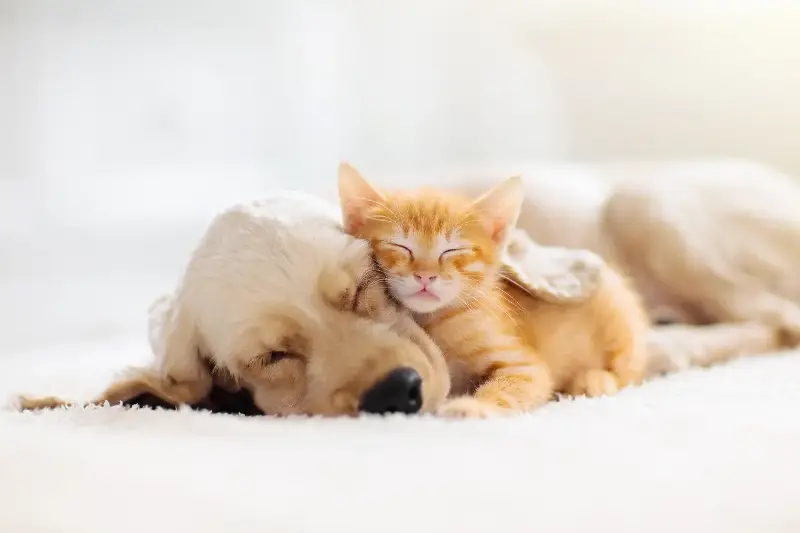
Domestic environments provide some of the clearest examples of cross-species companionship. Dogs and cats—often depicted as natural rivals—frequently become inseparable when raised in safe, calm surroundings:
- Daily Routines: They share sleeping spots, groom one another, and play together.
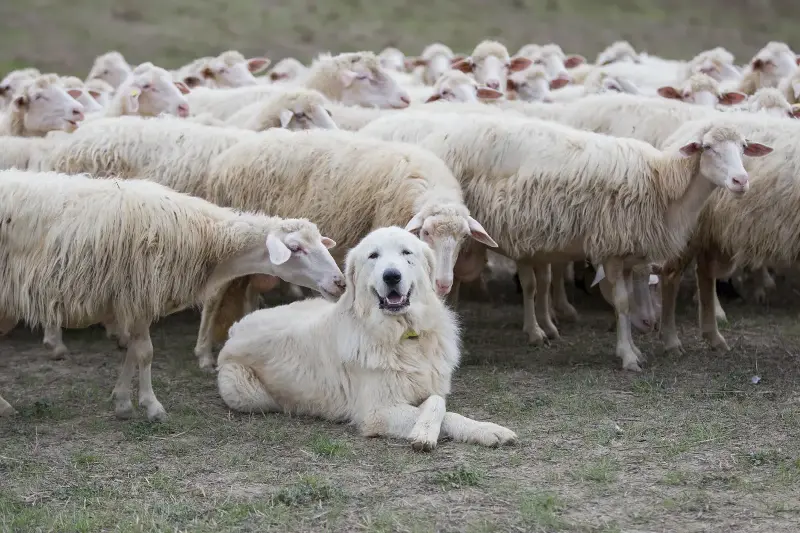
- Mutual Protection: Livestock guardian dogs like Great Pyrenees or Anatolian Shepherds bond deeply with sheep or goats, living alongside the herd to protect them from wild predators.
- Emotional Comfort: Social animals like goats seek companionship from other farm animals when their own kind is unavailable, greatly reducing stress for both species.
Partnerships Built on Survival
In the wild, many cross-species relationships are driven by mutual benefit—a phenomenon known as mutualism. These partnerships help animals secure food, maintain health, or stay safe from danger:
- The Reef Cleaners: Cleaner wrasse fish remove parasites and dead skin from much larger fish. The larger fish gain better health, while the cleaners get a nutritious meal.
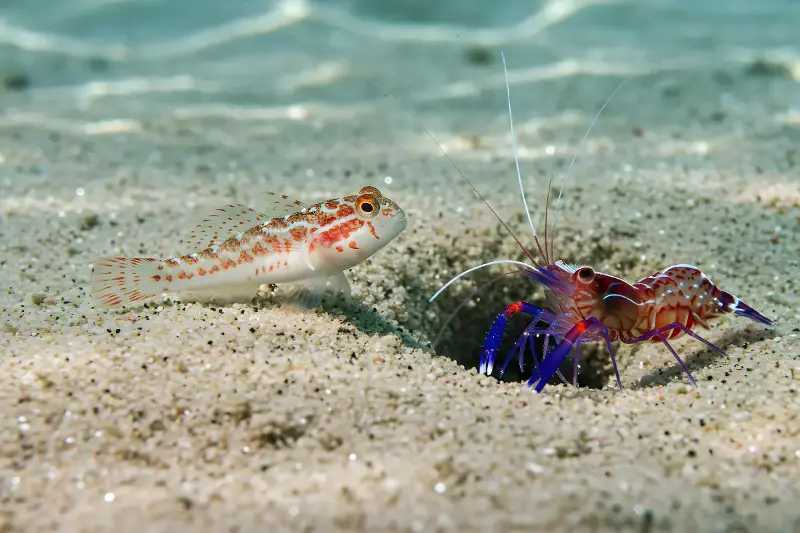
- The Burrow Team: On the ocean floor, nearly blind pistol shrimp dig safe burrows while sharp-sighted goby fish act as lookouts. Touch signals allow both to retreat safely at the first sign of danger.
- Vigilant Helpers: Wild birds like oxpeckers perch on large African mammals, consuming insects while alerting their host to approaching threats.
Unexpected Bonds in Sanctuary Settings
Animal sanctuaries and rehabilitation centers frequently witness unusual friendships. Animals recovering from past stress or injury often relax around unfamiliar species once basic needs like food and shelter are guaranteed.
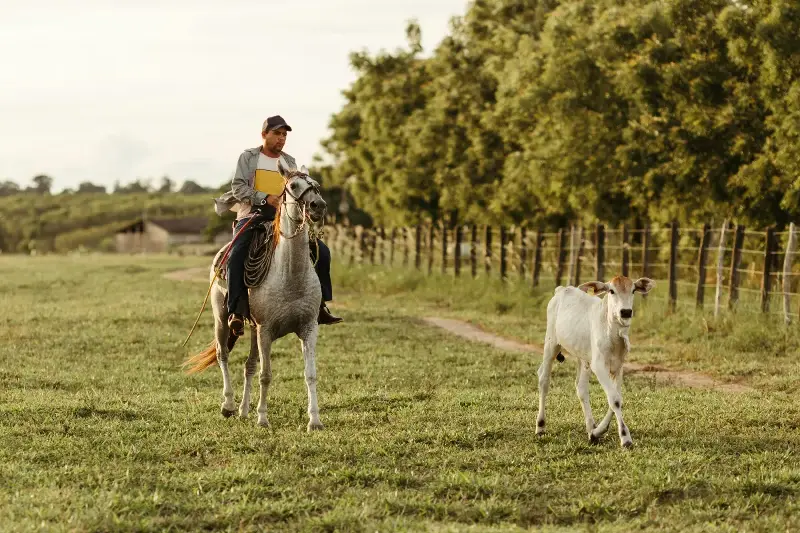
A horse and a goat may graze together, call out when separated, and share resting spaces. Similarly, nursing mother animals sometimes adopt orphaned young of entirely different species due to maternal hormones and caregiving instincts. While these situations require careful human supervision, they highlight the profound capacity for empathy found throughout the animal kingdom.
What Science Says About Animal Affection
Researchers studying animal emotions have discovered that cross-species interactions are backed by real biological processes:
- Hormonal Connection: Friendly social contact triggers the release of oxytocin—a hormone linked to trust, affection, and bonding in mammals.
- Stress Reduction: Studies show that spending time with a familiar companion significantly lowers stress hormones like cortisol.
- Observational Learning: Animals frequently learn new skills, routines, or food locations by observing partners of a different species.
Shared spaces create opportunities for trust. When animals interact repeatedly without danger, fear gives way to familiarity.
A Reminder of Nature's Harmony
Unbelievable animal friendships are an inspiring reminder that nature is not defined solely by competition. From tiny fish guiding blind shrimp to farm animals offering each other quiet comfort, nature is full of cooperation and mutual respect.
These relationships prove that across different shapes, sizes, and species, trust and connection can flourish in the most unexpected places.