


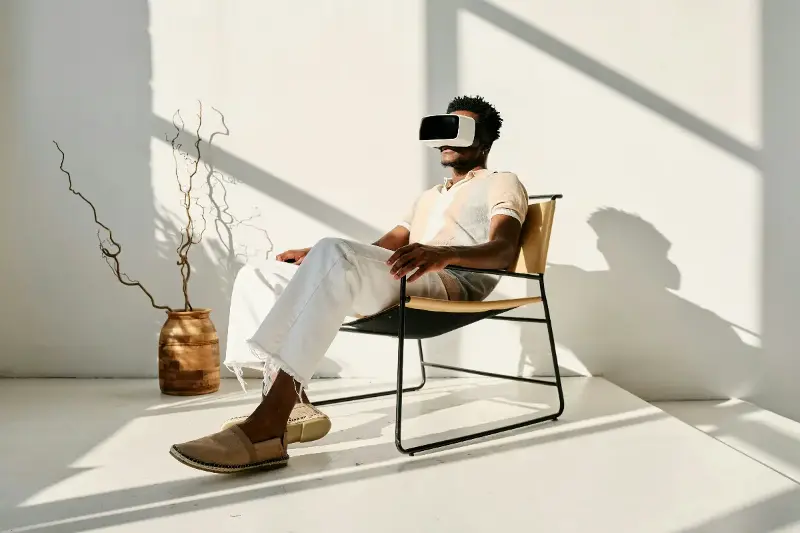
Mixed reality is moving beyond science fiction and into everyday work, entertainment, education, and design. Unlike virtual reality, which places users inside a fully digital environment, mixed reality blends computer-generated objects with the physical world. A virtual screen can appear above a desk, a digital character can interact with real furniture, and a doctor can view digital guidance while remaining connected to their surroundings.
The key breakthrough is that modern headsets are becoming exceptional at understanding spatial context. Their cameras, depth sensors, and artificial intelligence map walls, floors, hands, and changing lighting conditions. This gives digital content a true sense of place—it appears to occupy real space rather than floating as a flat overlay.
From Simple Overlays to Shared Spaces
Augmented reality has long placed basic filters over a camera view, but mixed reality goes further by allowing virtual objects to react dynamically to physical environments.
- Realistic Physics and Occlusion: If a digital ball rolls across a real table, it stops at the edge; if a virtual object moves behind a physical chair, the chair blocks it from view.
- High-Resolution Passthrough: Advanced sensors provide a crisp, real-time camera view of the user’s surroundings, making interaction seamless and intuitive.
- Spatial Anchors for Collaboration: Virtual items remain fixed in precise locations over time. Multiple users can interact with the exact same digital prototype anchored in a shared room.
Reimagining the Modern Workplace
One of the most practical applications of mixed reality is the spatial workspace. Instead of relying on physical monitors, users can surround themselves with adjustable digital displays.
Key Professional Uses:
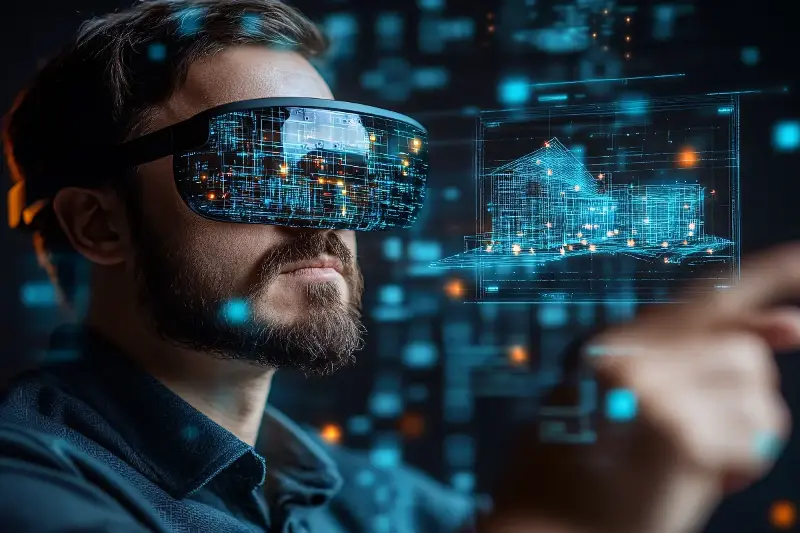
- Spatial Design: Engineers and architects can inspect full-scale 3D models or walk through proposed building plans before construction begins.
- Remote Expertise: Technicians repairing complex equipment can view real-time instructions positioned beside physical components, receiving live guidance from off-site experts.
- Flexible Productivity: Professionals can arrange documents, video calls, and creative tools anywhere around a room, making it ideal for mobile and flexible work setups.
Immersive Learning and Discovery
Education is another area where mixed reality makes abstract concepts tangible. Students can examine a rotating model of a human heart on a desk, explore the solar system at room scale, or inspect atomic structures from every angle.
Anatomy lessons use detailed 3D visualizations that can be enlarged and separated for deeper understanding. Similarly, museums and cultural sites allow visitors to view historical reconstructions over existing ruins, bringing stories to life while preserving the physical setting.
Entertainment That Uses the Whole Room
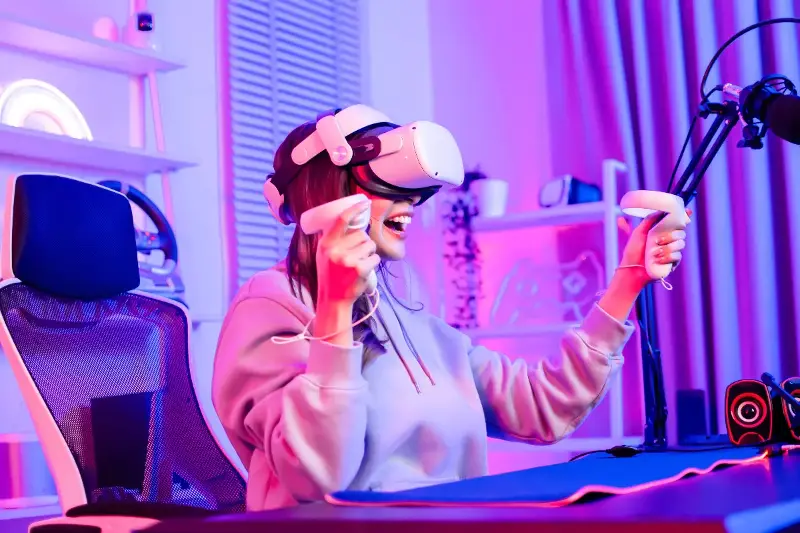
Games and media are becoming fully aware of the player’s actual environment. Instead of simply displaying a fixed screen, mixed reality turns a living room into an interactive playground.
- Dynamic Game Environments: Walls can transform into portals, and tables can hold digital puzzles tailored to the exact dimensions of the room.
- Enhanced Live Events: Broadcasters can overlay interactive statistics and dynamic camera angles directly into a home viewing space for an engaging sports experience.
The Path Ahead for Mixed Reality
As mixed reality hardware becomes lighter, more comfortable, and increasingly accessible, the technology will feel less like wearing a device and more like accessing information naturally. The physical and digital worlds are connecting in remarkable ways, creating exciting possibilities for how we work, learn, and play together.