



Every child is born a seeker, wide-eyed and ready to embrace the world with an infectious blend of curiosity and wonder. But as parents, we often discover that the journey of raising children is not just about guiding someone else; it's about growing and rediscovering life alongside them. The incredible journey of growing up together is both magical and transformative, giving families the unique opportunity to discover the world anew through each other's eyes.
The Dance of Discovery: How Curiosity Connects Generations
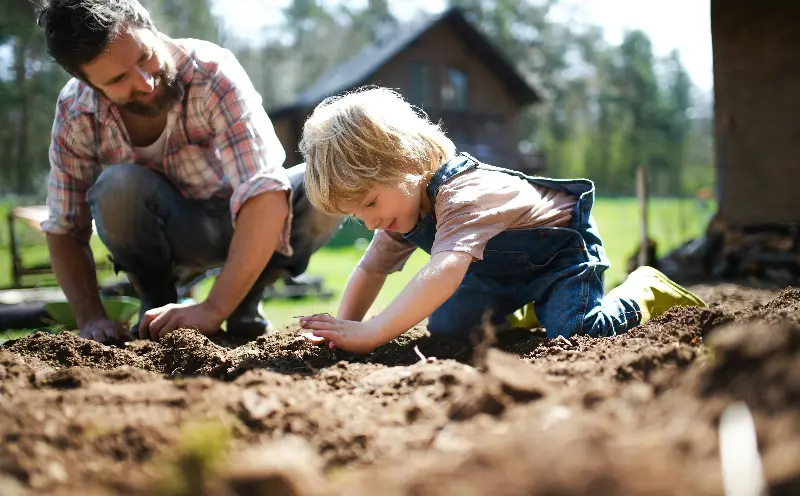
Curiosity is one of the most powerful forces driving childhood—and it doesn't solely belong to the young. When a child digs in the dirt hunting for insects or bombards you with rapid-fire questions on a morning walk, adults are often pulled back into a state of wonder that reminiscently mirrors their own childhood. Scientific research highlights that shared learning moments between children and adults can create stronger emotional bonds and improve cognitive development for children. These shared experiences also give parents the space to rekindle their own sense of amazement.
Simple activities, like building sandcastles or exploring local parks, become gateways to discovering the world together. These moments turn ordinary routines into adventure-filled chapters. Through their children's eyes, parents often notice the tiny snails after the rain, the shifting clouds above, or the magic in a puddle’s reflection—details that daily life might otherwise obscure.
Learning, Teaching, and Unlearning: How Roles Reverse and Evolve
Parenthood is often viewed through the lens of teaching, of passing knowledge down the generations. But in practice, the relationship is far more fluid and reciprocal. In one striking study conducted by Stanford University, researchers found that parents who approached learning as a two-way street reported more satisfaction in their parenting roles. Children, empowered to share their discoveries or teach parents how to use digital technology, for example, develop greater confidence and independence.
As children grow, their worldviews challenge and expand those of their parents. Questions like “Why is the sky blue?” or “Where do animals go in winter?” can push adults to revisit old concepts, sparking fresh curiosity. It's not uncommon for families to end up searching for answers together—consulting books, scouring the web, or even hosting a household experiment. Each quest for understanding reaffirms the idea that everyone, regardless of age, is a lifelong learner.

Building Emotional Intelligence Together
Child development experts emphasize that navigating emotions forms as critical a part of growing up as learning to walk or read. Interestingly, parents also travel an emotional learning curve alongside their children. The challenge of soothing a child’s disappointment after a lost soccer game, celebrating small victories, or managing the frustration of a stubborn tantrum, helps parents build patience and empathy.
Children, in turn, often offer honest reflections. Their directness about feelings can prompt adults to consider their own emotions more openly and develop healthier communication habits. It’s this fluid exchange—parents guiding children, children enlightening parents—that forges resilient and emotionally intelligent families.

Rituals, Routines, and the Art of Creating Shared Memories
From bedtime stories to weekend pancake breakfasts, family rituals create the scaffolding around which childhood memories are built. Yet these routines aren’t just for kids. Repeating meaningful activities provides parents with comfort and a sense of continuity, especially through life’s many transitions. According to psychologists, children raised in families with regular, positive rituals show higher levels of happiness and security.
Even the most everyday events—a trip to the grocery store or sorting laundry together—contain space for novelty and togetherness. Establishing small ceremonies, such as a “highs and lows” conversation at the dinner table, can help everyone reflect on the day, find gratitude, and strengthen connections. Through these rituals, parents and children co-create a family narrative, writing stories of persistence, laughter, and growth.

Rediscovering Play: The Key to Lifelong Connection
One of the greatest gifts children offer their parents is the invitation to play. For adults, the daily grind often leaves little room for imagination. But whether it’s a game of make-believe, building blanket forts, or simply being silly, play is where families reconnect and recharge.
Psychologists have found that playful parents tend to be more adaptive, resilient, and emotionally attuned to their children. Kids learn social skills, creativity, and problem-solving abilities during play, while parents gain perspective and joy they might not have otherwise encountered. Making time for play doesn’t just benefit childhood—it recharges the whole family.
The journey of growing up is not a solo road for any member of the family. By sharing discoveries, learning together, and finding delight even in the simplest activities, parents and children transform routine days into adventures and shared growth. As families navigate the unknown, they don’t just see the world with new eyes—they create new worlds for each other, filled with laughter, understanding, and love at every step.