


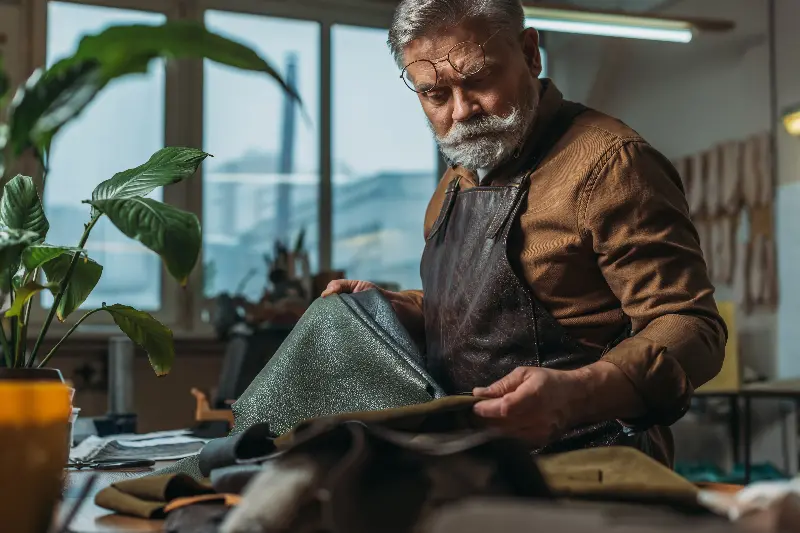
In a world obsessed with speed, efficiency, and instant gratification, you might think slow and handcrafted businesses would be relics of the past. Yet artisan brands are thriving in this fast-moving marketplace, proving that sometimes, patience and craftsmanship can outsmart even the largest mass production giants.
THE SLOW BUSINESS REVOLUTION: WHY ARTISANS STAND OUT
There’s something undeniably captivating about watching a master potter shape clay by hand or witnessing a tailor meticulously cut patterns for a bespoke suit. These aren’t just nostalgic images; they represent a new kind of revolution—the rise of slower, artisan-led brands challenging and even outshining massive corporations.
What defines an artisan brand in today’s business landscape is its dedication to:
- Intricate Detail: Focusing on the nuances that machines often miss.
- Authenticity: A commitment to traditional methods that carry historical weight.
- Individuality: Ensuring that no two pieces are exactly alike.
Where mass brands focus on churning out thousands of identical products an hour, artisans break the mold with small batches, personalized touches, and transparent sourcing stories. In an era where consumers crave connection, these details make all the difference.
BUILDING TRUST THROUGH TRANSPARENCY
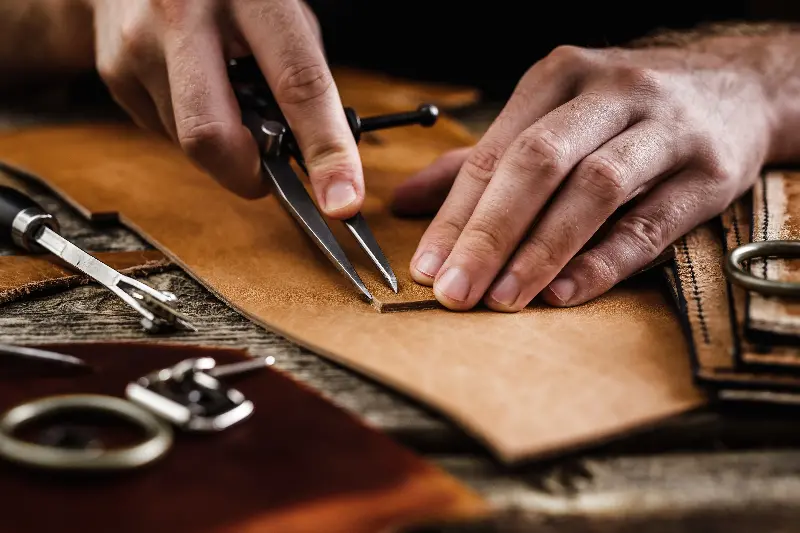
Trust is the currency of the modern marketplace, and artisan businesses have become adept at earning it. Today’s consumers are more curious than ever; they want to know where their products come from, who made them, and how they were treated along the journey.
Artisans excel here because they can tell these stories honestly. Consider brands like:
- Bastide: A French beauty brand focusing on Provence-sourced ingredients.
- Velasca: An Italian shoemaker connecting customers directly to the cobbler's bench.
- Heath Ceramics: A California staple that showcases the literal kiln-to-table process.
These brands don’t just offer products; they provide a window into their craft. This transparency fosters a deep sense of loyalty, with customers often forming personal bonds with the makers.
REJECTING THE RACE TO THE BOTTOM
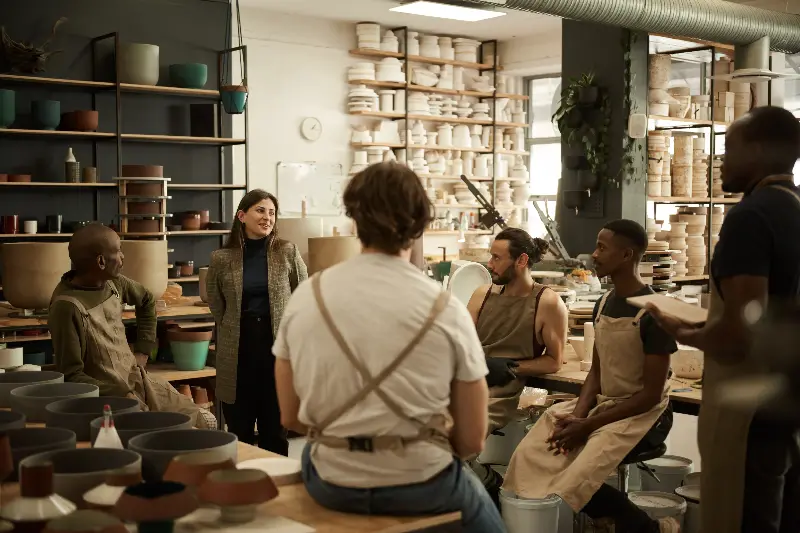
Big brands frequently win on price, offering low-cost goods made possible by scale and automation. However, artisan businesses are subtly outsmarting these tactics by refusing to join the "race to the bottom". Instead, they compete on values.
Research highlights the impact of this shift:
- A study from the GlobalWebIndex revealed that 42% of consumers worldwide say they’re more likely to buy from brands that share their values.
- In the United States, spending on "handmade" and "small business" categories has seen steady growth, with Etsy alone reporting nearly $13 billion in gross merchandise sales annually.
- According to Nielsen, nearly 75% of Millennials are willing to pay more for sustainable offerings.
For artisans, values like fair labor, sustainability, and quality over quantity are front and center. Instead of engaging in pricing wars, they invest in unique materials and ethical practices. It’s a slower way to do business, but it creates products that last and stories that stick.
AGILITY IN AN AGE OF CHANGE
Ironically, “slow business” can actually mean being faster and nimbler where it counts. Mass production giants have enormous supply chains; a small hiccup in a shipping lane can stall entire operations for weeks. Artisans, working in smaller teams with local producers, have the flexibility to pivot overnight.
Whether it was the sudden popularity of sourdough bread during global lockdowns or clothing labels switching to mask-making, artisans used their intimate knowledge of materials to stay ahead. Their lack of bureaucracy allows for rapid experimentation that a corporate giant simply cannot replicate.
CRAFTSMANSHIP AS A COUNTERTREND
As fast fashion and disposable goods crowd the shelves, a countertrend is growing stronger: more consumers are searching for meaning. This approach resonates across all demographics. For instance, in the luxury sector, artisanal "quiet luxury" brands are growing at a rate that outpaces traditional logo-heavy retailers.
Products with a “human fingerprint” win hearts for a reason. Take the meteoric popularity of Japanese denim, Swedish wooden toys, or hand-thrown mugs from local potters’ markets. Each piece feels unique and valuable, a direct response to the throwaway culture that so many are now rejecting.

THE BRIGHT FUTURE OF ARTISAN MODELS
The world won’t slow down any time soon, but there’s a growing appreciation for those who do. Artisan businesses aren’t just surviving—they’re thriving by reimagining what successful commerce looks like in the 21st century.
By focusing on transparent relationships, shared values, and high-quality craft, slow business models are carving out profitable niches in a fast world. Their quiet confidence is, quite simply, outsmarting the giants. For those who seek connection, authenticity, and lasting worth, the future belongs firmly to the artisans.