


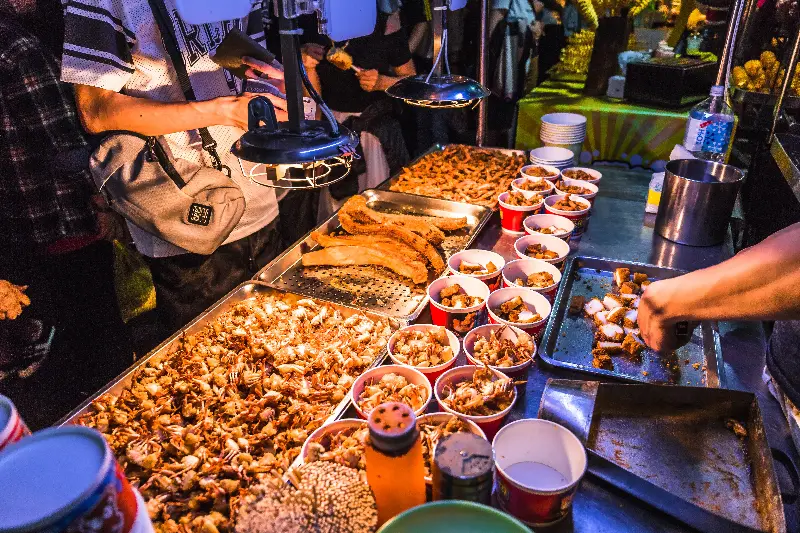
Travelers around the world search for authentic experiences, and there’s no better way to unlock the hidden heart of a place than through its street food. Far beyond flashy restaurants and curated dining rooms, street food stalls, carts, and markets are where culinary magic happens. These hubs blend tradition, history, and community into every bite, reflecting the diversity and vibrancy of culture like nowhere else.
WHERE HISTORY MEETS THE HOTPLATE
Every region’s street food is a living museum of flavors and techniques passed down through generations. What you taste on a bustling street corner often comes with a story, sometimes centuries old. Consider these iconic examples:
- Taco al Pastor (Mexico): It doesn't just shout "Mexico!"; it whispers tales of Lebanese immigrants who brought shawarma to the Americas, which locals later adapted into a masa-wrapped treat.
- Pho (Vietnam): In Hanoi, steaming bowls of pho tell the story of French colonial influence mingling with local rice noodle traditions, transforming a simple soup into a national obsession.
- Takoyaki (Japan): These savory octopus-studded dough balls first appeared at Osaka festivals in the 1930s. The preparation remains largely unchanged—a testament to the perfection of a humble invention.
Every local favorite holds memories, blending old and new in ways that supermarkets and high-end restaurants simply cannot replicate.
A MARKETPLACE OF LOCAL INGREDIENTS
One of the best-kept secrets behind street food’s irresistible flavor is the reliance on ultra-local ingredients. Vendors build direct relationships with farmers, fishermen, and foragers, often shopping daily to ensure peak freshness.
This commitment keeps flavors vibrant:
- Thailand: The tongue-tingling som tam (green papaya salad) is always shredded from just-picked papayas.
- Ethiopia: Spicy berbere blankets injera made from indigenous teff flour, unique to East Africa.
- Mexico: Vendors introduce travelers to delicacies like huitlacoche (corn fungus) that rarely make it into global export chains.
By serving what’s in season, street food vendors showcase a region’s agricultural ingenuity and bounty, inviting everyone to experience food at its freshest.
COMMUNITY, CONNECTION, AND CULTURE
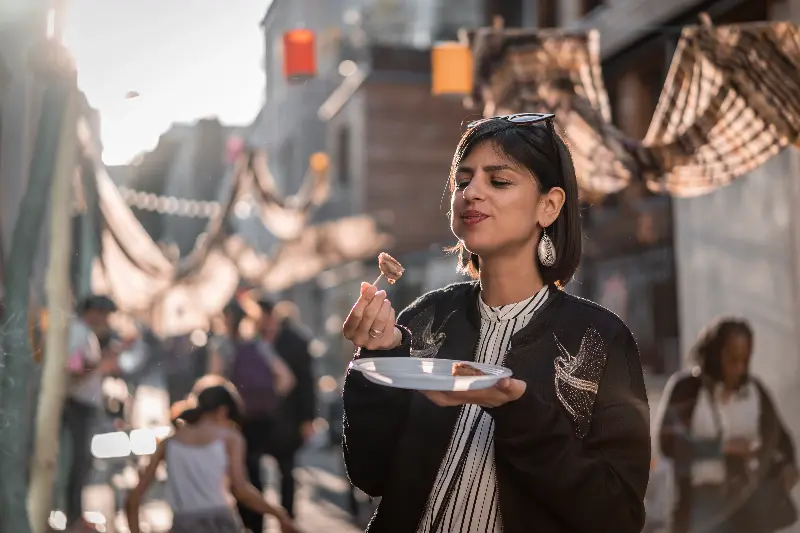
Street food is more than just a quick meal; it is a social experience. Stalls often serve as informal town squares, fostering a sense of belonging and pride. Whether you are at Istanbul’s Eminönü or Mumbai’s Chowpatty Beach, you’ll find:
- Shared Spaces: Travelers and locals often share crowded benches, opening doors to genuine conversation.
- Generational Knowledge: You will frequently see multiple generations cooking side by side, preserving heritage.
- Cultural Souvenirs: These communal moments are the real treasures people cherish long after the flavors have faded.
INNOVATION AT THE CURBSIDE
Street food is where creativity thrives, unburdened by the constraints of formal menus. It is common for vendors to reinvent classics on the fly, spurred by available ingredients or customer requests.
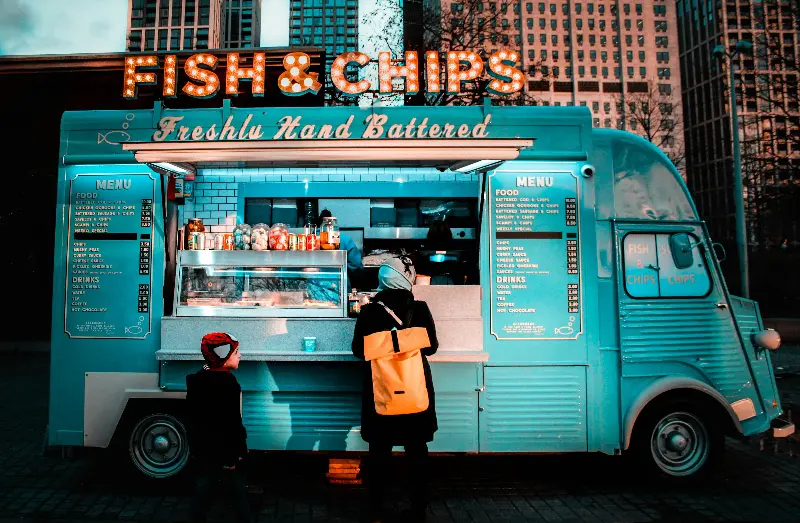
In the United States, food trucks have become incubators for bold new cuisines, such as Korean-Mexican tacos in Los Angeles. Meanwhile, in South Korea, the beloved tteokbokki (spicy rice cakes) has evolved into dozens of modern variations, including cheese-stuffed rolls and fusion pasta versions. This spirit of playfulness is what keeps the global food scene endlessly exciting.
SAVORING STREET FOOD RESPONSIBLY
While embracing these joys, mindful eating matters. Hygiene standards vary, so look for stalls with a steady local crowd—locals always know the safest, tastiest spots. Additionally, supporting street vendors directly benefits small businesses and helps preserve culinary heritage.
Modern trends are also making an impact:
- Sustainability: Plant-based options and eco-friendly packaging are rising in cities like Singapore, Berlin, and Cape Town.
- Adaptability: Vendors are meeting modern demands while staying true to traditional recipes, proving that street food can look to the future without losing its soul.
CONCLUSION
Street food is much more than a snack between sightseeing stops; it is a passport to deeper understanding. It offers access to a place’s true flavors, stories, and people. Next time you wander a new city, follow your nose into the maze of sizzling pans and steaming pots. Under the neon lights of a night market or the midday sun of a Caribbean beach, you’ll discover that food tells the story of a culture in the most delicious way possible.