


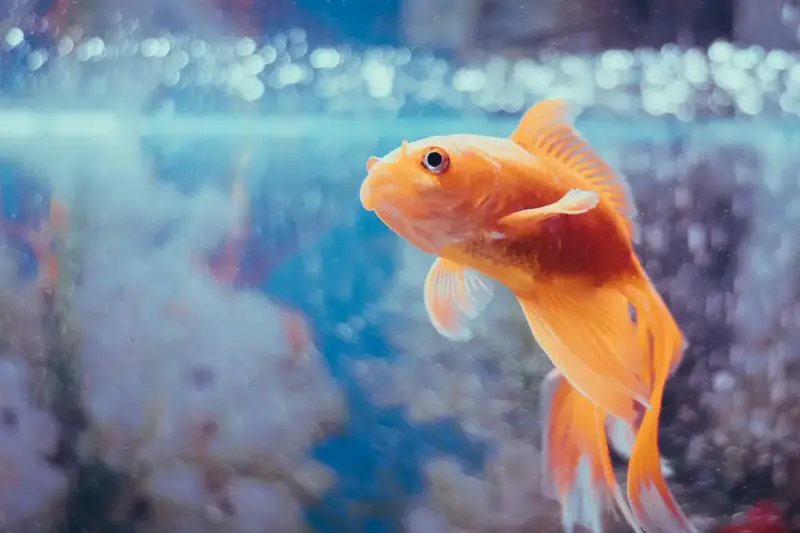
When most people think of goldfish, they picture a classic orange swimmer from a pet store bowl. In fact, goldfish come in dozens of unique varieties, from the streamlined comet to the bubble-eyed and delicate fantail.
- Impressive Lifespans: With proper care, these aquatic pets can live for 10 to 20 years.
- Surprising Growth: They can grow much bigger than you would expect, with some reaching well over a foot in length if given adequate room.
- Health Indicators: It is important to pick healthy, active fish. Look for bright color, clear eyes, and smooth scales. A healthy fish swims steadily rather than hanging at the water’s surface or staying completely still on the bottom, which might signal stress or illness.
SETTING UP THE AQUARIUM: SIZE REALLY DOES MATTER
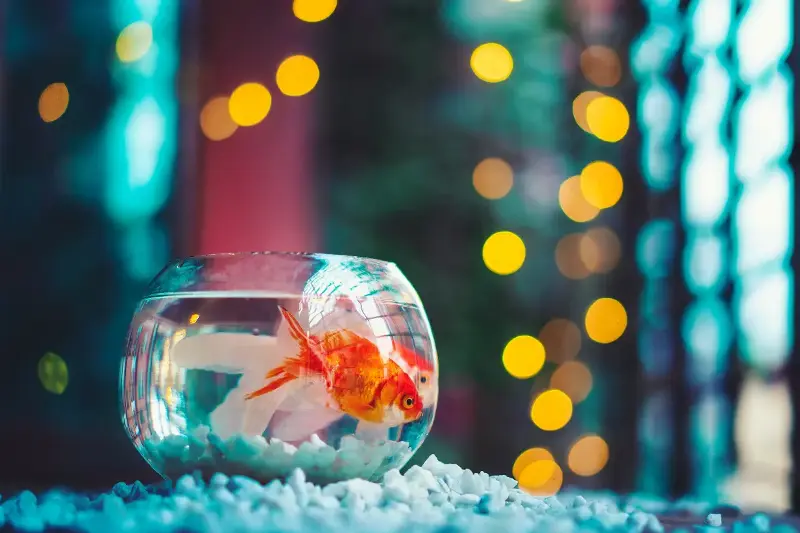
One of the biggest myths about goldfish is that they thrive in small bowls. In reality, these active swimmers need ample space to grow, explore, and live long, vibrant lives.
A single adult goldfish needs at least 20 gallons of water, and you should add 10 gallons for each additional goldfish. This extra space isn't just for swimming—an overcrowded tank can actually make fish highly stressed and create poor water quality, which is detrimental to their well-being. Bigger tanks also mean more stable water temperatures and easier maintenance. Sturdy glass aquariums are usually the best choice, and it is wise to pick a tank with a secure lid, since goldfish sometimes love to jump!
WATER PREPARATION: MAKING A SAFE GOLDFISH HOME
Tap water might be convenient, but it is not immediately safe for your new aquatic pets because it often contains harmful chemicals. Before adding your fish, always treat the tank water with a high-quality dechlorinating conditioner.
It is also vital to let your tank cycle before introducing your goldfish. This cycling process establishes beneficial bacteria that keep the water healthy by breaking down natural waste toxins like ammonia and nitrites.
Temperature Check: Goldfish are cold-water fish, meaning they prefer stable environments between 65°F and 75°F (18°C to 24°C). A simple aquarium thermometer is an excellent investment to track daily changes.
FILTRATION AND MAINTENANCE: CLEANLINESS IS GOLDEN
A premium filter is the single most important investment for your aquarium. Goldfish are notorious for their enthusiastic eating habits and the substantial amount of waste they produce. Choose a filter that is rated for your tank’s size—or ideally even a bit more powerful—to provide the necessary extra help.
- Weekly Water Changes: Plan on changing about 20% to 30% of the aquarium water every single week to remove dissolved toxins.
- Gravel Vacuuming: Use a specialized gravel vacuum for the bottom of the tank, as leftover food and waste quickly settle into the substrate.
- Conditioning: Never forget to treat the fresh water with a dechlorinator before pouring it into the aquarium.
FEEDING YOUR GOLDFISH: MORE THAN FLAKES
Feeding your pets is more than just dropping a handful of flakes into the tank. These fish are natural foragers and thrive on a varied, balanced diet. Start with high-quality goldfish pellets, but supplement their routine with excellent alternatives:
- Fresh Vegetables: Blanched peas (with the skins removed) or shredded lettuce.
- Nutritious Treats: Occasional freeze-dried brine shrimp or bloodworms.
Avoid overfeeding at all costs. Only provide what your fish can completely consume within two minutes, once or twice a day. Leftover food quickly decays and pollutes the environment. Interestingly, goldfish do not have traditional stomachs, so they are always on the lookout for something to nibble!
CREATING A GOLDFISH-FRIENDLY ENVIRONMENT
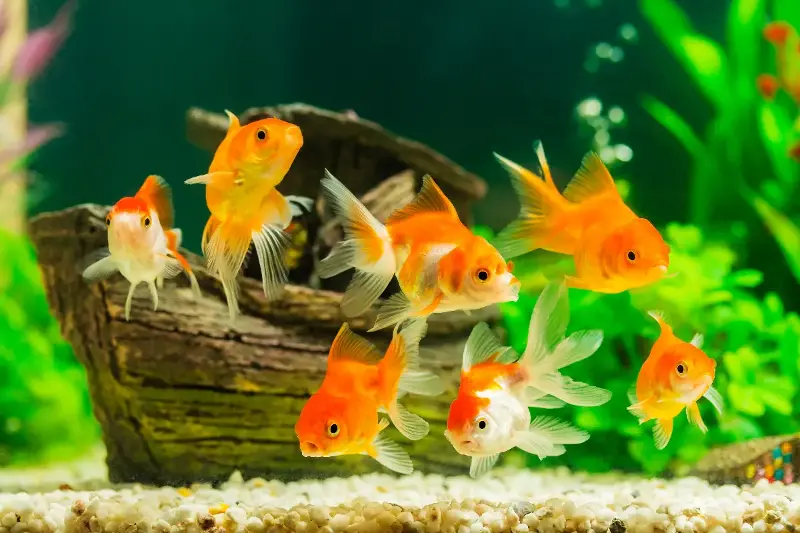
Goldfish love to explore their surroundings, but you must beware of sharp decorations or tiny objects they might accidentally swallow. Choose smooth river rocks, sturdy live plants, or artificial silk plants designed specifically for aquariums.
Substrate for the bottom should be either large river pebbles that are impossible to swallow, or fine aquarium sand to protect curious fish from choking. Finally, good aquarium lighting makes your fish look incredibly striking, but avoid placing the tank in direct sunlight to prevent massive algae blooms.