


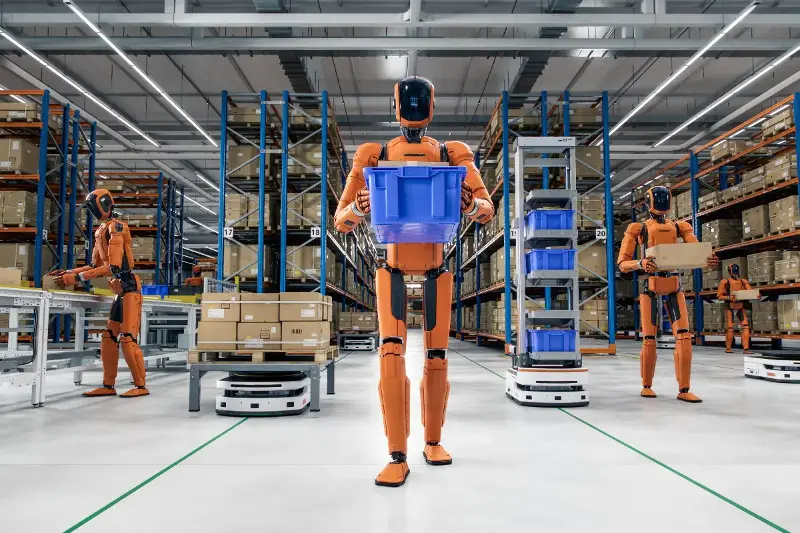
Humanoid robots have long belonged to science fiction, usually appearing as helpful companions, tireless workers, or futuristic machines. Now they are moving closer to real workplaces and, eventually, homes. Companies across the world are building robots with two legs, two arms, hands, and cameras designed to operate in spaces originally built for people.
The big change is not simply that robots can walk. What is new is the ambition to create versatile machines that can navigate a warehouse, open a door, carry a box, use familiar tools, and learn from demonstrations. The question is no longer whether humanoid robots can exist—it is whether they are reliable, safe, and affordable enough for everyday life.
Why the Human Form Matters
Factories, offices, hospitals, and homes are designed around the human body. Door handles, stairs, shelves, switches, and workbenches all assume that a person can reach, grasp, bend, and walk. A humanoid form allows a robot to work in these environments without requiring every building to be redesigned.
Key structural advantages include:
- Two-arm coordination: Essential for balancing large items, adjusting grip, and stepping around obstacles.
- Multi-finger hands: Enables handling a wide range of objects, from heavy tools to soft items.
- Advanced AI integration: Combines camera feeds, depth sensors, and language instructions to adapt to new tasks.
Modern robots can be shown a task repeatedly and learn the general pattern, creating promising possibilities for flexible automation.
Moving From Demonstrations to Real Work
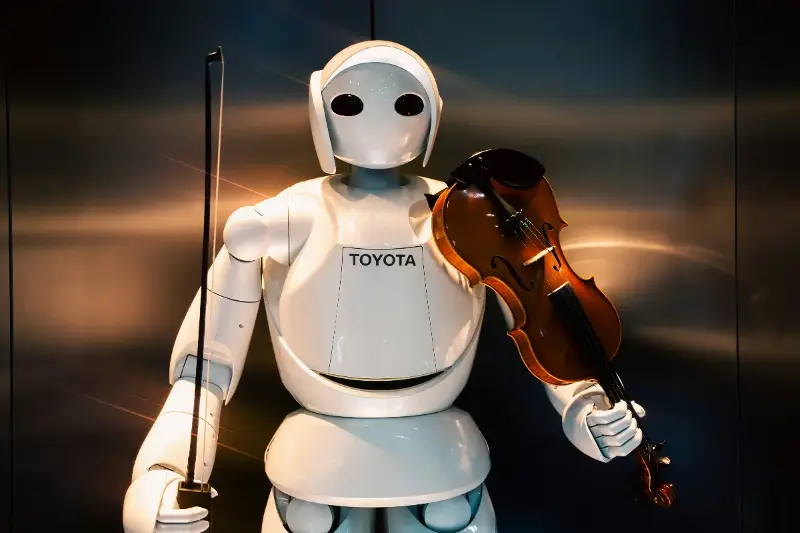
Several high-profile projects are now undergoing real-world testing in industrial settings. Prominent automotive manufacturers and tech firms are evaluating humanoid helpers to handle repetitive tasks, sort materials, and manage heavy containers on factory floors.
Major application areas receiving intense focus include:
- Logistics and warehousing: Moving bins, sorting packages, and restocking supplies.
- Manufacturing lines: Preparing components for assembly and handling heavy materials.
- Service facilities: Transporting equipment across large complexes.
While competition is intense, a polished video demonstration is not the same as an all-day shift. Real life is unpredictable: a spilled liquid, a loose cable, or a misplaced chair can still pose significant operational challenges.
Overcoming Hands, Power, and Safety Challenges
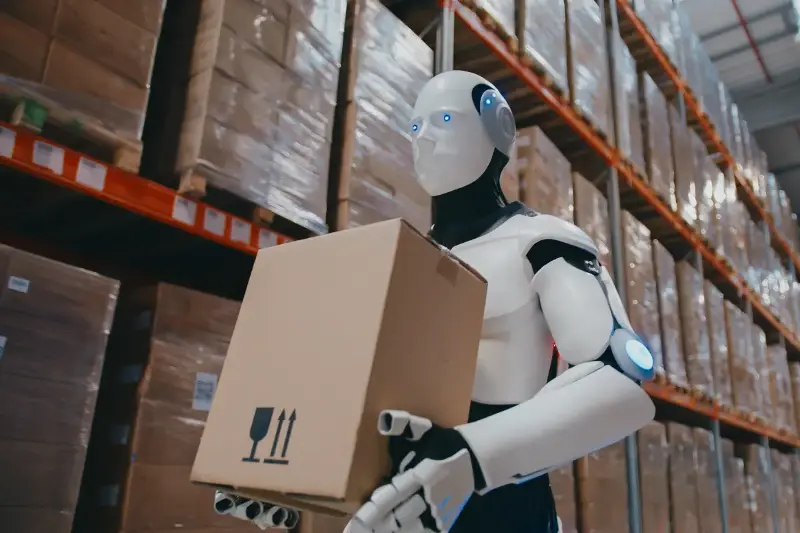
Walking is impressive, but physical manipulation remains a complex problem. Robots require precise sensing and control to achieve even a fraction of human dexterity when handling soft objects, cluttered shelves, or delicate items.
Developers are actively solving key hurdles:
- Battery endurance: Energy is needed for computing, balancing, and movement, requiring efficient power management.
- Advanced safety systems: Utilizing depth sensors, joint torque limits, and instant stops to ensure safe interaction near human workers.
- Precise force control: Ensuring the robot can lift heavy items without damaging fragile surroundings.
What Everyday Integration May Look Like
The first widespread humanoid jobs will be simple, repetitive, and supervised. Robots will assist workers by taking on physically demanding tasks, allowing human staff to focus on higher-level supervision and complex problem-solving.
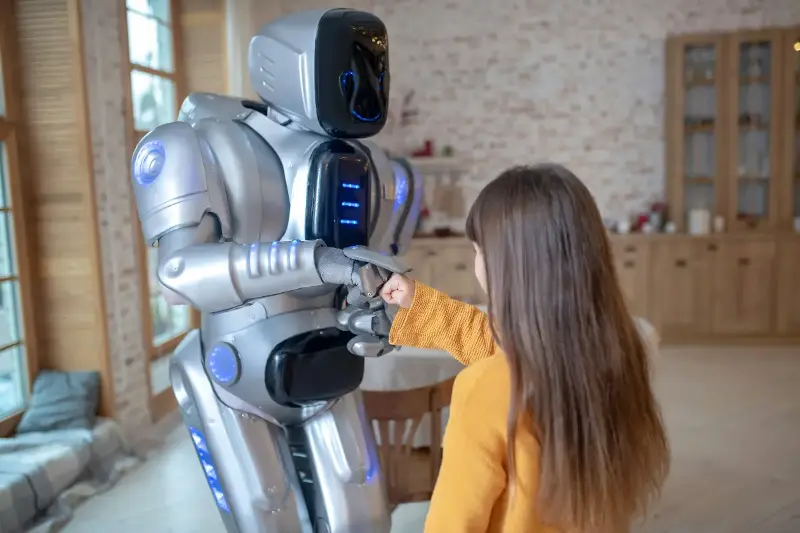
Domestic use will arrive more gradually, as home environments present unique challenges like changing room layouts, stairs, and delicate objects. When designed thoughtfully, these machines will serve as dependable tools that quietly reduce physical strain, helping people get through the day safely and efficiently.