


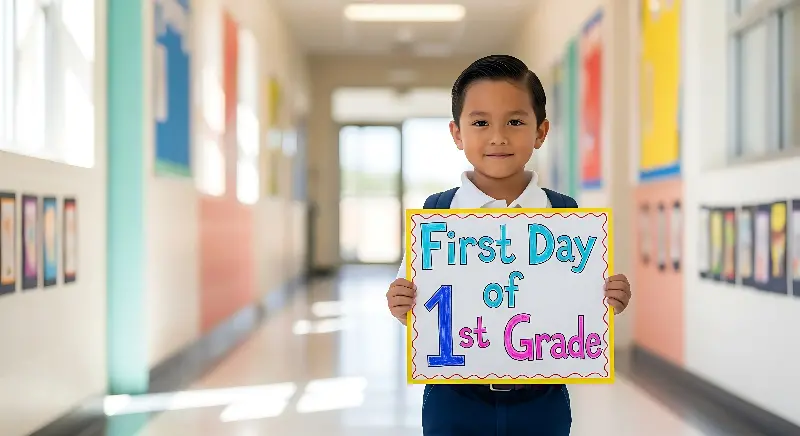
The leap from preschool to first grade is a major milestone for both children and their families. Excitement and anticipation fill the air, but alongside these positive emotions, there may be some anxiety about whether a child is truly ready for grade one. While many parents focus primarily on academic skills like counting and recognizing the alphabet, early education experts agree that readiness involves a richer blend of social, emotional, and cognitive abilities. Here’s a look at seven essential skills every child needs for a smooth and successful transition to grade one—and some surprising facts about how these skills develop.
SOCIAL SKILLS: BUILDING BLOCKS BEYOND THE CLASSROOM
Entering first grade means joining a larger and more structured social world. Children face more peers, bigger class sizes, and teachers with higher expectations for cooperation. One of the most important skills is the ability to listen to others. This requires focus, patience, and the self-control to wait one’s turn to speak—abilities that set the stage for learning and positive friendships.
- Sharing and Cooperation: These aren’t just playground niceties. Studies show that children who can share and cooperate tend to score higher on measures of classroom engagement.
- Conflict Resolution: Learning to negotiate over a toy or taking turns on the swing builds both resilience and empathy.
- Emotional Labeling: Research from the Yale Center for Emotional Intelligence finds that children who use words to express feelings—stating “I’m upset” or “That made me happy”—develop significantly stronger peer relationships.

FOCUS AND FOLLOWING DIRECTIONS: FOUNDATIONS FOR GROWTH
First grade brings a tidal wave of new routines. A child’s ability to focus on tasks and follow multi-step directions lays the groundwork for academic achievement. Unlike preschool, where activities revolve around exploration, grade one involves listening to longer instructions and carrying out tasks independently.
The ability to sit and concentrate is linked to cognitive development. A study by the National Institutes of Health found that children who practiced focused listening for ten to fifteen minutes saw significant improvements in memory and comprehension.
Tip for Home: Try giving your child simple three-part instructions during daily routines, such as: “Please put your shoes by the door, wash your hands, and come to the kitchen.”
LITERACY BASICS: MORE THAN JUST KNOWING LETTERS
Literacy readiness extends far beyond simple letter recognition. Phonemic awareness—the ability to hear and manipulate sounds in words—is the heart of early reading success. Children who can identify the first sound in “cat” or blend the sounds in “dog” are taking crucial steps toward fluency.
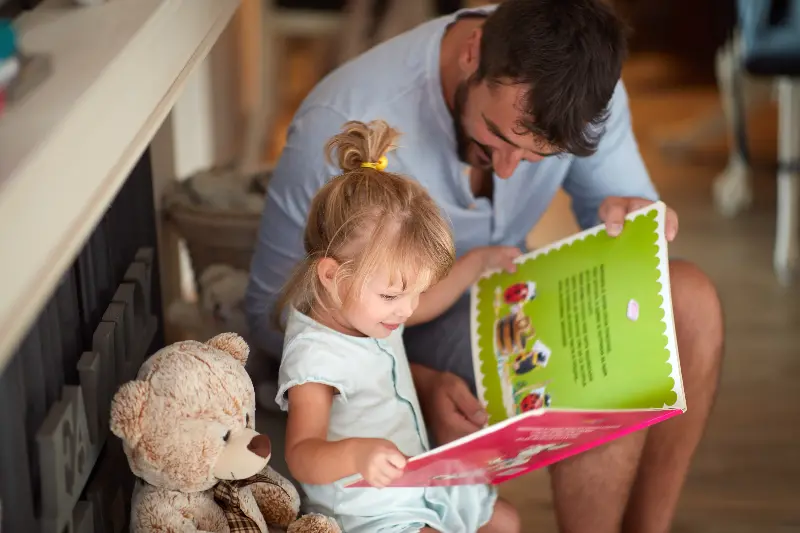
- The "Million Word" Gap: Early exposure to books is vital. A study in the Journal of Developmental and Behavioral Pediatrics suggests children who are read to daily hear over one million more words by age six than peers who aren’t read to at home.
- Fine Motor Writing: While perfect penmanship isn’t necessary, children should be able to hold a pencil and draw basic shapes. These attempts at writing foster both motor development and a connection between spoken and written language.
EARLY MATH SKILLS: NUMBERS IN EVERYDAY LIFE
Counting and number recognition are core, but math readiness also means being able to solve problems, sort objects, and recognize patterns. * Environmental Math: Research from Stanford University suggests that children who can “see” math in their environment—by grouping blocks, comparing sizes, or noticing patterns—are more likely to feel confident as they progress.
-
Math Talk: Encourage counting during play. Whether it is adding up apples in a bowl or noticing the stripes on a shirt, these moments make numbers feel fun and familiar rather than intimidating.
INDEPENDENCE AND SELF-CARE: CONFIDENCE BUILDERS
First graders are expected to manage their own physical needs and school supplies. Teaching children to zip their coats, wash their hands properly, and organize their backpacks builds a sense of personal accomplishment.
- Adaptability: Sociologists have found that children who can independently care for their needs exhibit lower stress levels during the school day.
- Classroom Flow: When a child can manage their own gear, they are more ready to participate fully in activities rather than waiting for adult assistance.

EMOTIONAL RESILIENCE: BOUNCING BACK FROM SETBACKS
Not every school day goes perfectly. Learning to navigate small disappointments—a lost crayon or a missed answer—is part of growing up. Emotional resilience is the skill of recovering from these setbacks and learning from mistakes.
- "Try Again" Attitude: Educators say that resilient children are more likely to take academic risks.
- Effort-Based Praise: Offering praise for effort (“I’m proud of you for trying!”) rather than just success helps foster a growth mindset, ensuring children approach challenges with enthusiasm rather than fear.
CURIOSITY: THE SPARK THAT DRIVES SUCCESS
Finally, the most powerful skill is curiosity—a genuine desire to ask questions. Children entering first grade with a sense of wonder are more engaged learners. This attitude helps them tackle unfamiliar topics and enjoy the school journey.
Families can nurture this by:
- Encouraging endless "why" questions.
- Exploring nature and celebrating small discoveries.
- Reading together to spark new interests.
A child’s readiness for first grade isn’t measured by a test score, but by a healthy mix of social, emotional, and academic abilities. By supporting these seven essential skills, you give your child the perfect launchpad for success.