


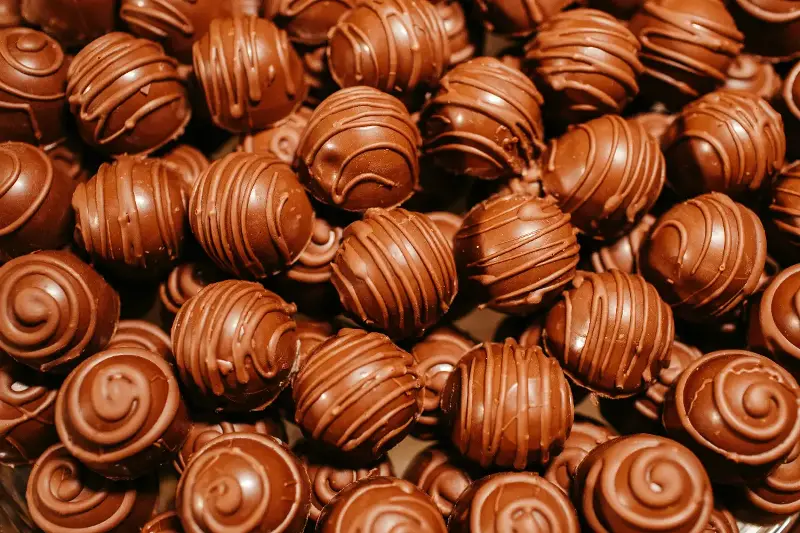
When you step into a Belgian chocolate shop, you are entering a world where passion, precision, and culinary science converge. Belgium’s chocolate heritage is globally legendary, and around every corner sits a tempting glimpse into a culture obsessed with perfecting the art of cacao.
But what exactly makes Belgian chocolate so universally renowned, and how does this European nation maintain the gold standard for chocolate lovers worldwide? The answer lies in strict production standards, superior ingredients, and an unyielding commitment to premium confectionery engineering.
THE ANATOMY OF A PERFECT PRALINE
The defining milestone of Belgian chocolate innovation arrived in 1912, when Jean Neuhaus Jr. revolutionized the confectionery world by inventing the praline. Unlike basic chocolate bars, a true Belgian praline is defined by a delicate, crisp chocolate shell filled with smooth ganache, rich creams, or roasted nut pastes.
This filled confection fundamentally changed how chocolate is consumed globally, leading to distinct structural varieties:
- The Shell: A perfectly tempered outer layer of chocolate that delivers a clean, audible snap when bitten.
- The Ganache: A silky, emulsion-based filling made by combining premium dark chocolate with fresh cream.
- The Gianduja: A rich, velvety blend of smooth milk chocolate and roasted hazelnut or almond paste.
Today, this technical blueprint remains the foundation for thousands of certified artisanal boutiques across Belgium, ensuring that every bite delivers a precise contrast between the outer shell and the luxurious filling inside.
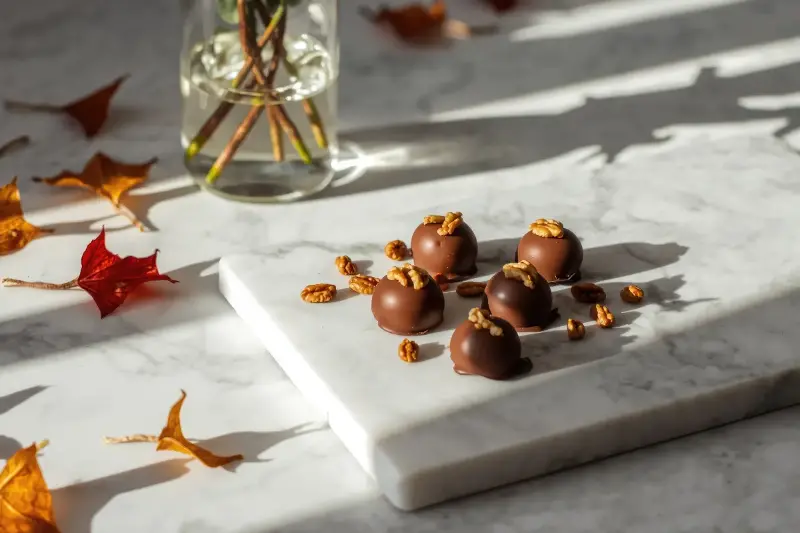
THE SCIENCE AND CRAFTSMANSHIP OF THE BEAN
At the heart of Belgian chocolate’s distinctiveness lies a steadfast commitment to premium processing and craftsmanship. The rigorous production cycle highlights why the final product achieves such a signature texture and flavor profile:
- Selective Sourcing and Blending: Artisans carefully select premium cacao beans, often blending distinct varieties from Africa, South America, and Asia to achieve highly complex, balanced flavor notes.
- Ultra-Fine Grinding: Belgian chocolate factories grind the cacao beans down to an incredibly fine particle size—often as small as 15 to 18 microns. This prevents any graininess, ensuring the chocolate feels perfectly smooth on the palate.
- The Conching Process: This intensive mixing and aerating process is carried out for hours under precise temperatures to eliminate bitterness and develop deep, rounded aromas.
Furthermore, by Belgian law, a minimum of 35% pure cocoa is strictly required for chocolate, and the use of low-quality vegetable fats is banned. Only 100% pure cocoa butter is used, which guarantees an intense flavor and a low melting point that perfectly matches human body temperature.
REGIONAL SPECIALTIES AND BOUTIQUE VARIETIES
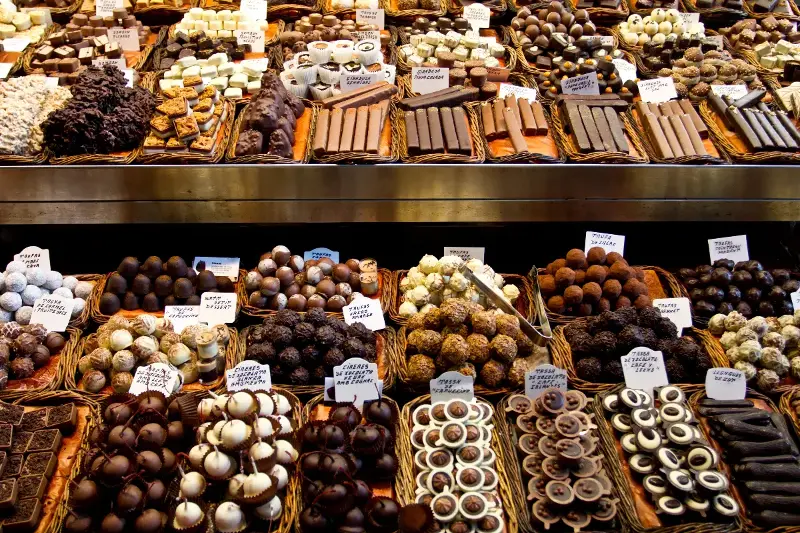
Stroll through any major Belgian city and you will see how different regions specialize in unique styles of chocolate making. Brussels, frequently named the Chocolate Capital of the World, is home to globally renowned flagship boutiques where you can witness a true celebration of confectionery, featuring stunning pyramids of hand-painted bonbons.
Beyond the capital city, different regions offer distinct structural and flavor variations:
- Bruges: Globally famous for its intricate, molded chocolate seashells filled with rich, roasted hazelnut praline.
- Antwerp: Celebrated for avant-garde chocolatiers who fearlessly infuse high-percentage dark chocolate with bold spices, sea salts, and exotic fruits.
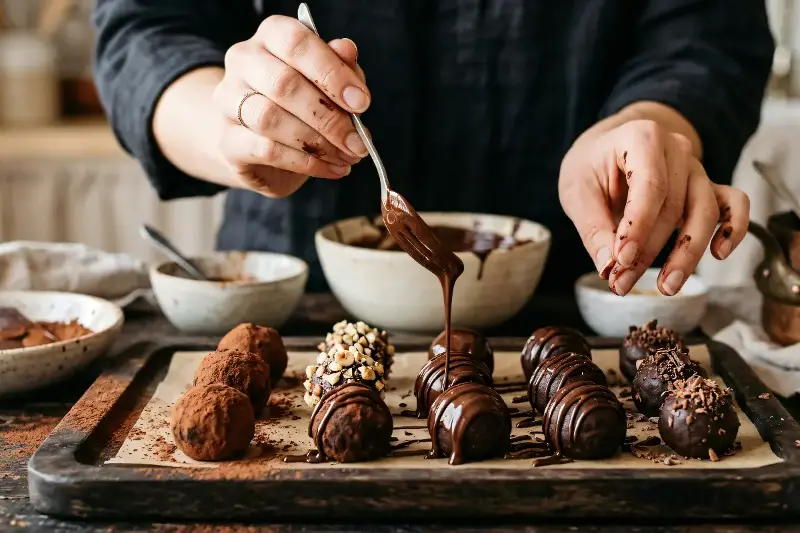
- Artisanal Workshops: Independent family-run shops use small-batch tempering machines to create custom, seasonal flavor profiles that cannot be replicated by mass production.
MODERN INNOVATION AND THE BEAN-TO-BAR MOVEMENT
While traditional recipes are highly respected, Belgium’s modern chocolatiers are also fearlessly pushing the boundaries of food science and sustainability. Contemporary artisans experiment with unique ingredients like saffron, lavender, matcha, and smoke-infused caramels to create complex taste sensations.
Progressive movements are transforming the modern industry:
- The Bean-to-Bar Concept: Many micro-chocolatiers control the entire supply chain, partnering directly with sustainable cocoa farmers to focus on ethical sourcing and complete batch traceability.
- Dietary Evolution: Masters are expanding their repertoires to include gourmet plant-based options and sugar-free confections, making premium dark chocolate accessible to all dietary needs.
- Large-Scale Sculpting: At specialized events like the Salon du Chocolat, master chocolatiers test the structural limits of tempered chocolate to construct mind-boggling edible art installations and architectural replicas.
From the traditional, crisp-shelled praline to modern bean-to-bar single-origin bars, Belgian chocolate continues to captivate the world through rigorous quality, premium ingredients, and brilliant flavor composition.